“Ashokan Farewell” is a 1982 composition by the American folk musician Jay Ungar. Ungar wrote the piece in the Scottish-lament style, in waltz time and the key of D major, as a reflection of “a sense of loss and longing” he felt after the annual Ashokan Music & Dance Camps ended that year. The tune is named for the Ashokan Field Campus (now the Ashokan Center) of SUNY New Paltz in upstate New York, where Ungar and his wife Molly Mason ran the camps.
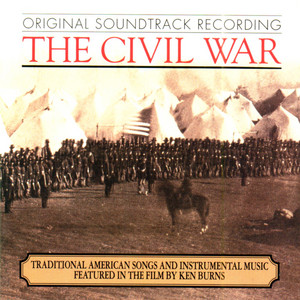
The piece achieved its broadest cultural reach when filmmaker Ken Burns selected it as the title theme for his 1990 PBS documentary series The Civil War. Burns first heard “Ashokan Farewell” in 1984 and used it extensively across the nine-episode documentary, where Ungar’s hauntingly reserved melody became one of the defining sonic elements of the series. The tune was included on the 1991 compilation album Songs of the Civil War — a placement that has led many listeners to assume incorrectly that the piece was written during the Civil War rather than 130 years afterward.
“Ashokan Farewell” has become one of the most widely played contemporary fiddle tunes, crossing into bluegrass, old-time, Celtic, and contradance traditions. The piece is regularly played at funerals, memorial services, and military commemorations — an extension of its Civil War-tribute function via Ken Burns — and remains a workshop standard for fiddlers studying expressive Scottish-lament phrasing.