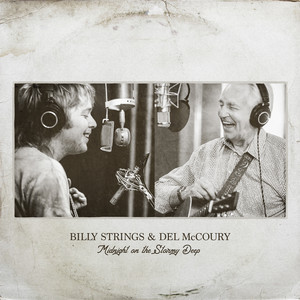
“Midnight on the Stormy Deep” did not begin as a sea song. It traces to a German poem, “Soldatenliebe” (“Soldier’s Love”), written by Wilhelm Hauff in 1824 and better known by its first line, “Steh’ ich in finst’rer Mitternacht” — “I stand in the dark of midnight.” It is a sentry’s lyric: a soldier on night watch, far from home, turning over thoughts of the sweetheart he left behind. The “deep” of the later title was the deep of that midnight, not the ocean. The poem caught on in Germany and drew settings from several composers, Friedrich Silcher’s 1826 “Treue Liebe” among the earliest.
The verses crossed into English through the English writer William Howitt, who translated them in 1841 (as “True Love,” in The Student-Life of Germany); his version was reprinted, as “The Night-Guard,” in Francis James Child’s Civil War songbook War-Songs for Freemen. By then an Americanized rewrite was already in print: in 1857 Miller & Beacham of Baltimore issued “Midnight on the Stormy Deep,” credited only to the initials “B. E. L.” and described as an arrangement of a German original. That version reimagined the soldier’s night watch as a sailor’s farewell — the “deep” of the dark midnight becoming the stormy deep of the sea — and gave the song its lasting image of a lover parting on the eve of an ocean voyage, vowing to remember his sweetheart at midnight when the deep is stormy. As parlor sheet music it spread widely and was sung during the Civil War.
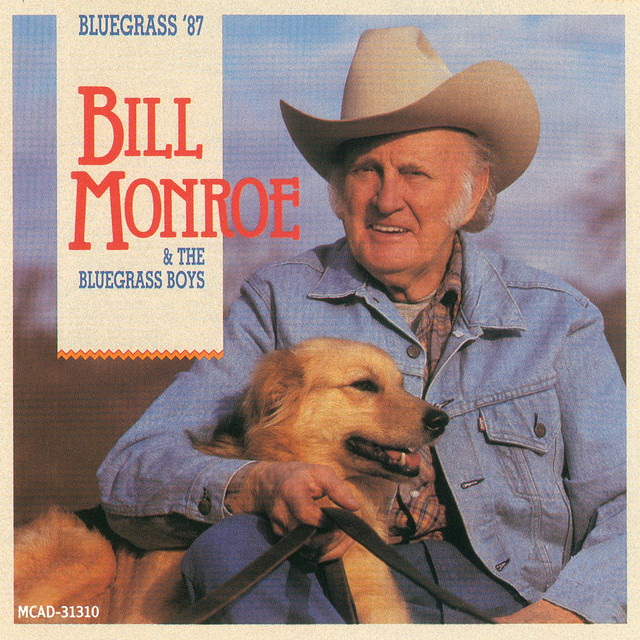
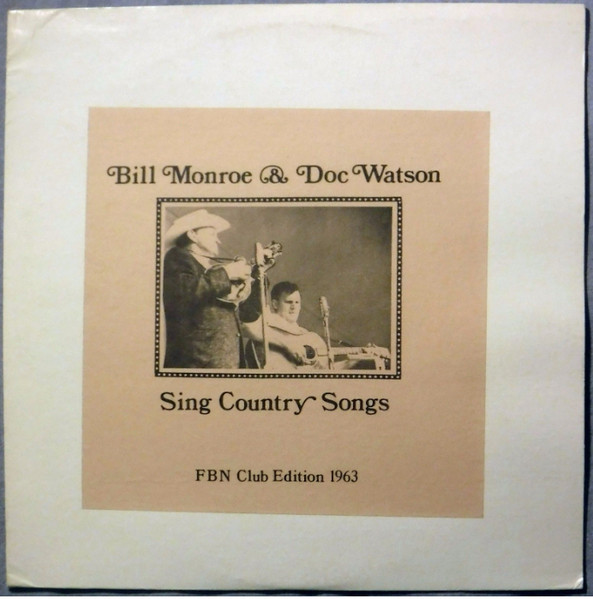
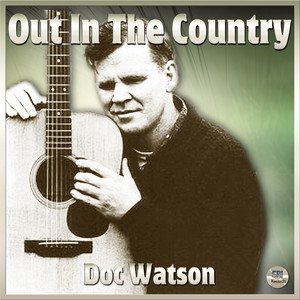
The song entered recording early: Lester McFarland and Robert Gardner (“Mac and Bob”) cut it in 1926, and Ernest Stoneman recorded it with Irma Frost at the 1927 Bristol Sessions. From there it passed into the old-time and bluegrass repertoire through the Carter Family, Bill Monroe, and Doc Watson — who recorded it on his own and alongside Monroe. Its floating, sentimental verse and plain melody made it endlessly adaptable.
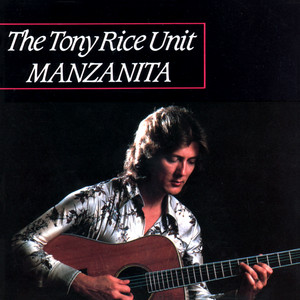
The Tony Rice Unit’s 1979 reading on Manzanita is the version most contemporary bluegrass listeners reference. Rice’s harmonically open guitar work and slower tempo pulled the song into the spacious register that defined the album, the lyric’s distance-and-longing imagery finding new room in the modern arrangement. It works as a slow vocal feature in C or D over clear flatpicked accompaniment, and recent readings by Sam Bush and by Billy Strings with Del McCoury keep it in circulation.