Woody Guthrie wrote “Pastures of Plenty” in the spring of 1941 in the Pacific Northwest. He had left New York with his wife and three young children for Portland, Oregon, where the Bonneville Power Administration, an Interior Department agency that sold the power from the federal dams on the Columbia River, wanted songs for a documentary film. The BPA put him on the federal payroll for a single month, May into June 1941. The songs from that month include “Roll On, Columbia,” “Grand Coulee Dam” and “The Biggest Thing That Man Has Done,” and a later book on the project counts twenty-six of them. Guthrie recorded twelve for the agency, “Pastures of Plenty” among them, for possible use in the film, which was finished only in 1949 as The Columbia. The master recordings were lost. The surviving discs are in the National Archives, and most of the songs were issued in 1987 on Rounder’s Columbia River Collection.
The song is sung in the voice of the migrant farm workers who came west out of the Dust Bowl. They tell of a hard road and cold mountains, of sleeping on the ground, and of following the harvest through California and Arizona and north to Oregon’s hops, with beets, grapes and wine going to other people’s tables. Then the song turns to the Columbia country: green pastures drawn from dry desert ground by the water of the Grand Coulee Dam, a land the singer vows to work and defend. The melody is borrowed from the old murder ballad “Pretty Polly,” and Guthrie played it over a single chord through most of the song.
Guthrie later recorded it for Moses Asch, and Asch’s Disc label put it first in a three-record set of 78s, Ballads from the Dust Bowl (Disc 610), alongside “Hard Traveling” and “Talking Columbia Blues.” The words and music are credited to Guthrie and published by TRO–Ludlow Music.
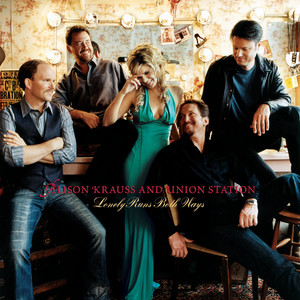
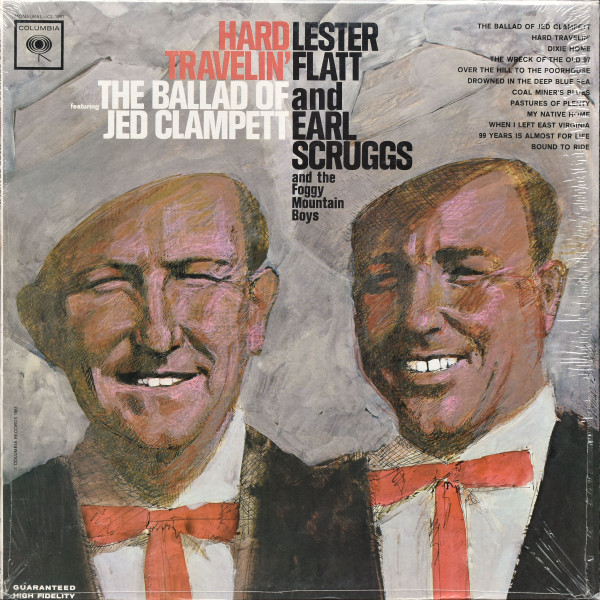
Lester Flatt and Earl Scruggs cut it in Nashville on 21 October 1962, with Flatt singing, for their Columbia album Hard Travelin’, which opens with another Guthrie song. Dave Evans and River Bend recorded it at Riverside Sound Studios in Ashland, Kentucky, for Goin’ Round This World (Rebel, 1981). Alison Krauss and Union Station included it on Lonely Runs Both Ways (Rounder, 2004), with Dan Tyminski singing lead.