“Angel Band” began as a poem, “My Latest Sun Is Sinking Fast,” by Jefferson Hascall (1807–1887), a Methodist minister born in Thompson, Connecticut. Its speaker is dying: the race is nearly run, the hardest trials are past, and he asks a band of angels to gather round and carry him “on your snow white wings” to his immortal home. A later verse turns to the one “who bled and died for me.” The words first appeared in 1860 in J. W. Dadmun’s tunebook The Melodeon, set to a melody by Dadmun.
The melody sung today came two years later. William Batchelder Bradbury (1816–1868), born in York, Maine, set the same words in Bradbury’s Golden Shower of S.S. Melodies in 1862, under the title “The Land of Beulah.” Printings followed through the 1860s in books such as Familiar Hymns for Social Meetings (1864) and Chapel Melodies (1868), and William Walker included the song in his shape-note collection The Christian Harmony in 1866. Hymnary.org now counts it in some 245 hymnals. Small differences in the words go with the two tunes: sung to Bradbury’s melody the refrain ends “to my immortal home,” while with Dadmun’s it runs “to my own immortal home.” The “snowy wings” of the hymnals became “snow white wings” as singers passed the song along.
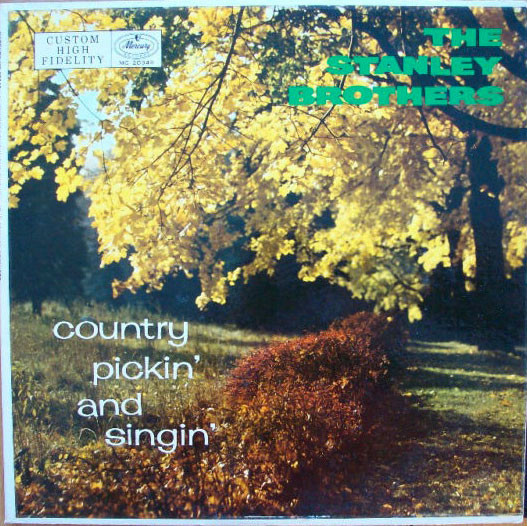
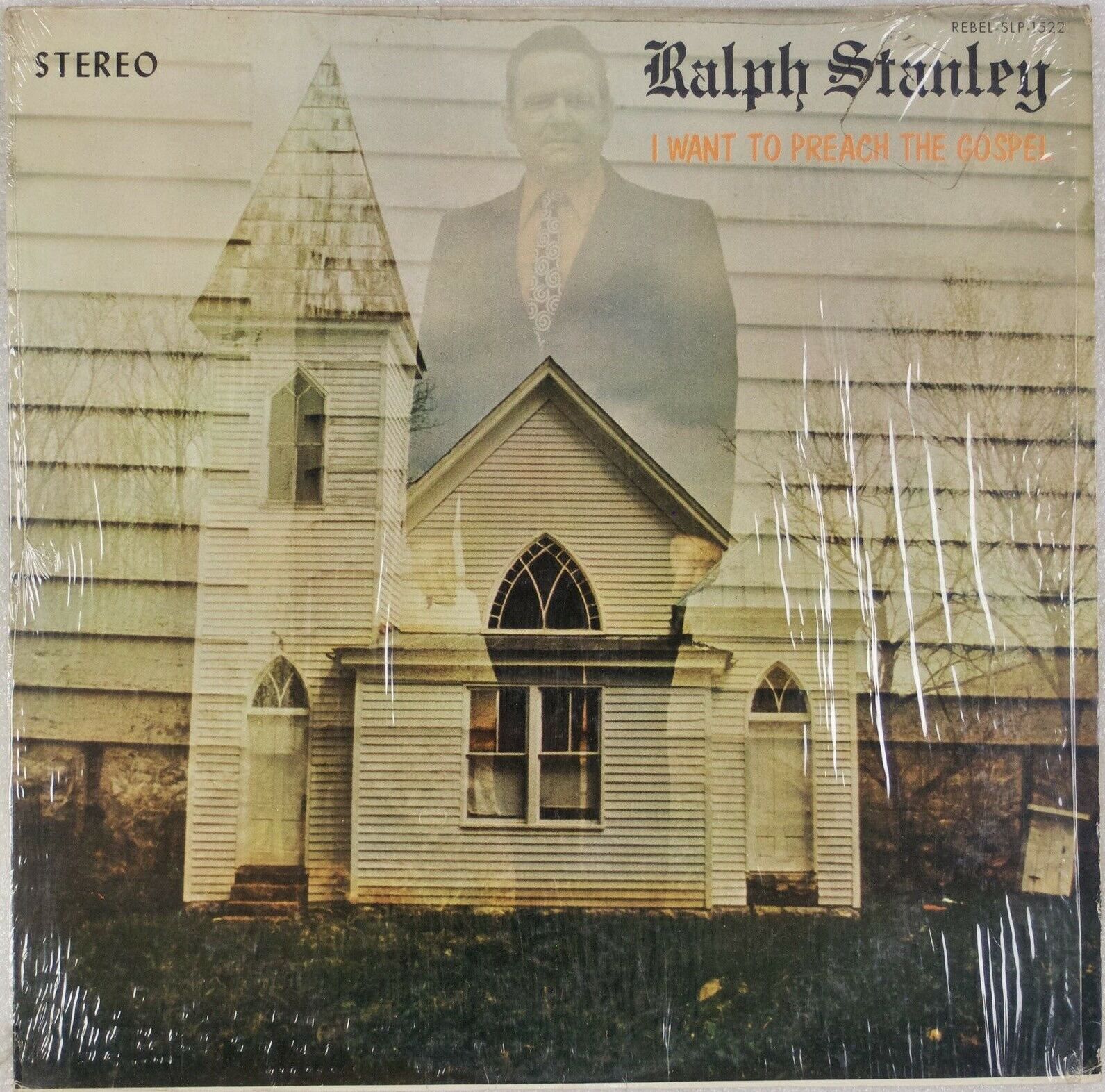
The Webster Brothers and Carl Butler put it on a Columbia single (4-21353) in 1955. On 19 December 1955 the Stanley Brothers recorded it at Bradley Studio in Nashville as a four-part arrangement, with Carter Stanley singing lead, Ralph Stanley tenor, Curley Lambert baritone and Bill Lowe bass, and Art Stamper on fiddle. Mercury first issued it in September 1958 on the LP Country Pickin’ and Singin’. Ralph Stanley came back to the song in March 1973 with Roy Lee Centers singing lead, for the Rebel album I Want to Preach the Gospel. Emmylou Harris made it the title song of her 1987 Warner Bros. gospel album Angel Band.
The Stanley Brothers’ 1955 record reached its widest audience decades later. It plays over the end credits of the Coen brothers’ film O Brother, Where Art Thou? and closes the 2000 soundtrack album, which won the Grammy for Album of the Year in February 2002.