“Banks of the Ohio” is an American murder ballad of unknown authorship, numbered Roud 157 and Laws F5. The singer asks his sweetheart to walk with him by the river and talk about their wedding day, and the chorus pleads with her to say she’ll be his. She will not, so he kills her, drowning her in the Ohio; in some versions he holds a knife to her breast first while she begs, “Oh Willie, don’t you murder me.” He walks home between twelve and one, knowing he has killed the girl he loved because she would not marry him, and in some versions the sheriff’s men are at his door the next morning. The folklorist Kenneth S. Goldstein wrote that the song’s history had never been traced, though it resembles several British broadsides of the same kind. Its story is close to those of “The Knoxville Girl” and “The Lexington Murder,” ballads that have been traced to English broadsides such as “The Berkshire Tragedy.”
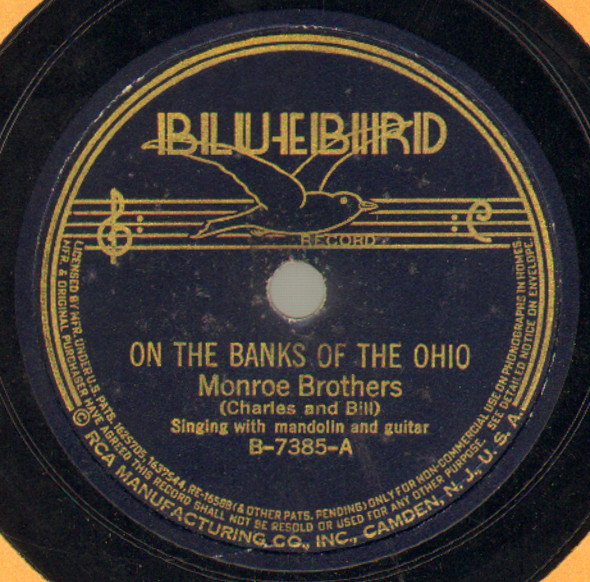
Its first records came in 1927. Red Patterson’s Piedmont Log Rollers cut “Down on the Banks of the Ohio” for Victor at the Hotel Charlotte in Charlotte, North Carolina, on 12 August. In October, G. B. Grayson and Henry Whitter recorded it for Gennett as “I’ll Never Be Yours (The Banks of the Ohio),” and on 5 November Clarence Greene sang it in Atlanta for Columbia, with Will Abernathy on harmonica. Ernest Stoneman and his Dixie Mountaineers recorded it for Edison in New York on 25 April 1928. In 1936 two brother duets recorded it at the Hotel Charlotte within days of each other: Bill and Earl Bolick, the Blue Sky Boys, on 16 June, and Charlie and Bill Monroe, the Monroe Brothers, on 21 June.
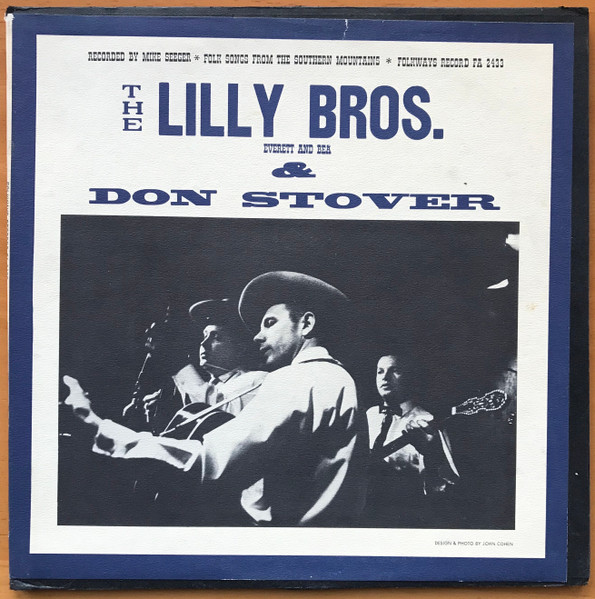
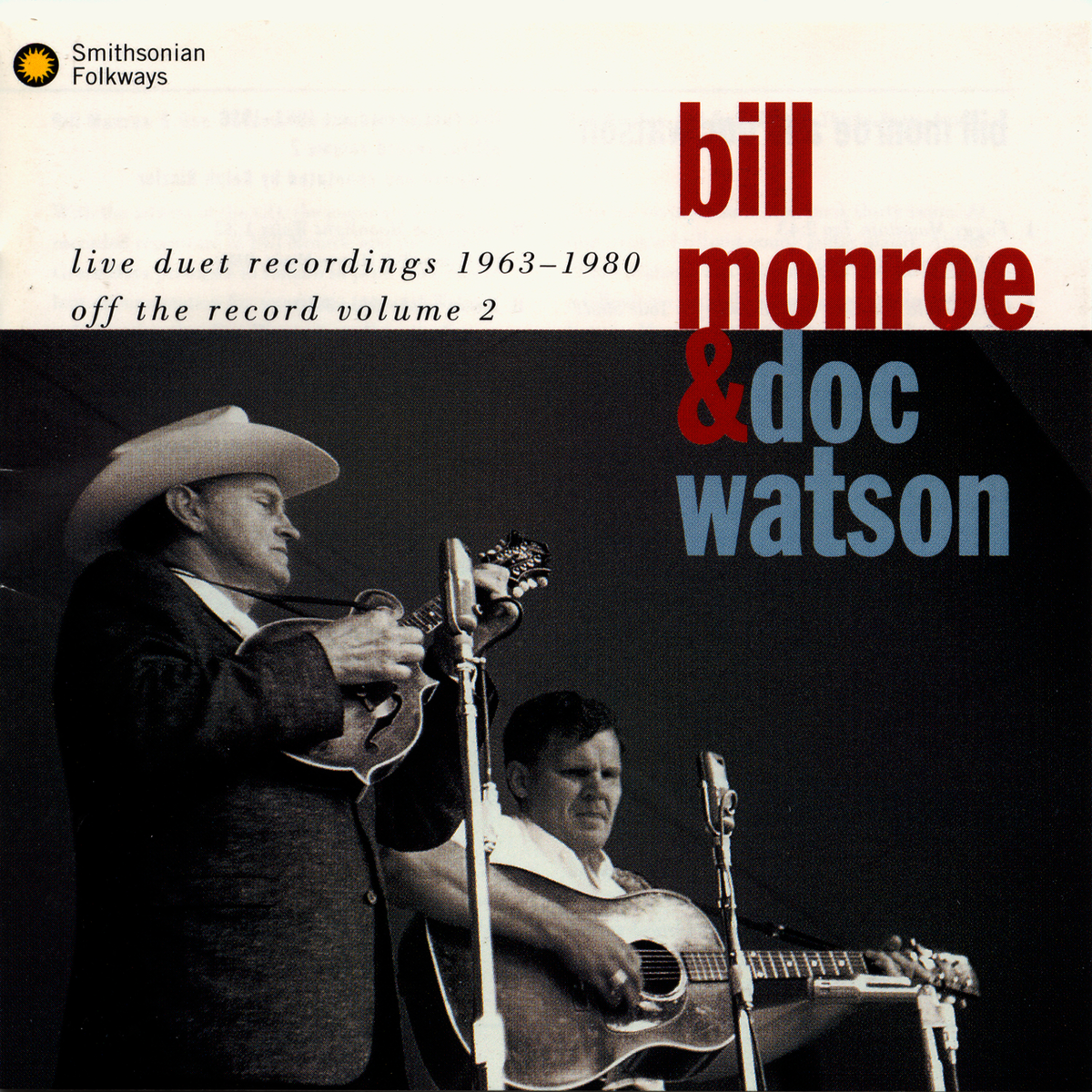
The folk revival picked it up. Joan Baez released it on a Vanguard single in October 1961, backed by John Herald on guitar, Ralph Rinzler on mandolin and Bob Yellin on banjo, and the Lilly Brothers and Don Stover recorded it for Folkways’ Folk Songs from the Southern Mountains (1962). Doc Watson sang it with Bill Monroe singing tenor at the Ash Grove in Los Angeles on 17 May 1963, a performance Smithsonian Folkways issued in 1993. His later recordings of it include Doc Watson on Stage (Vanguard, 1970) and The Three Pickers (2003), recorded with Earl Scruggs and Ricky Skaggs in Winston-Salem.
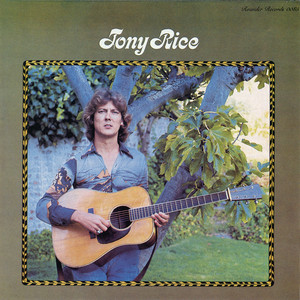
Olivia Newton-John recorded an arrangement by John Farrar and Bruce Welch at Abbey Road in May 1971, turning the story round so that the woman kills the man who will not marry her. Released that October, it was her first No. 1 in Australia and reached No. 6 in the UK. When James Monroe sang the song on Father & Son, cut with his father Bill in March 1972, the record credited the arrangement to Welch and Farrar. Tony Rice opened his 1977 Rounder album Tony Rice with it, recorded at 1750 Arch Studios in Berkeley in July 1976, singing lead with Larry Rice on tenor and J. D. Crowe on baritone.