Merle Watson
Merle Watson (1949–1985) was a guitarist and banjo player from Deep Gap, North Carolina, who played beside his father, Doc Watson, on stage and on record from 1964 until his death at thirty-six. He traded lead and rhythm with Doc on flat-picked guitar and added fingerpicked blues, slide guitar and banjo of his own, and the two shared a pair of Grammy Awards.
He was born Eddy Merle Watson in Deep Gap on 8 February 1949, the son of Doc Watson and Rosa Lee Carlton, whose father was the fiddler Gaither Carlton, and he was named after Eddy Arnold and Merle Travis, two of his father’s favorite singers. In 1964, while Doc was touring in California with Clint Howard and Fred Price, fifteen-year-old Merle took up the guitar, and Rosa Lee taught him his first chords. That June he joined his father on stage for the first time, at the Berkeley Folk Festival. A month later the family appeared at the Newport Folk Festival, where Merle played guitar with Doc on “Beaumont Rag,” “Billy in the Low Ground” and “Omie Wise”; those recordings later came out on Vanguard’s Treasures Untold.
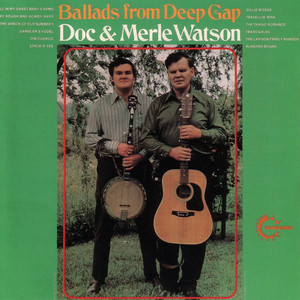
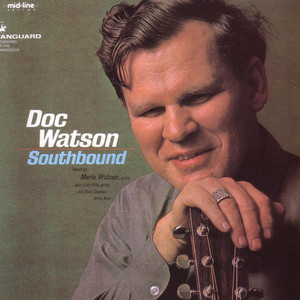
He began as his father’s rhythm guitarist, but soon met the bluesman Mississippi John Hurt and learned what he could of Hurt’s finger-picking. Years later Duane Allman’s records led him to the slide guitar. Doc considered him a fine bluegrass banjo player, though Merle himself preferred old-time music. He played second guitar on Doc Watson & Son (Vanguard, February 1965), and in the summer of 1965, homesick for Deep Gap while staying at Ralph Rinzler’s apartment in New York, he wrote “Southbound,” the title song of Doc’s next Vanguard album (1966), on which he played guitar alongside John Pilla. He was one of the guitarists on Good Deal! Doc Watson in Nashville (1968) and the banjo player on Ballads from Deep Gap (1971), with Eric Weissberg on bass. By the late 1960s he was on the road with his father full time, taking turns at the wheel with his mother. Billed together, the two did not divide the work into lead and backing: they alternated the lead and rhythm parts.
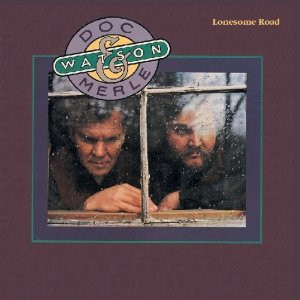
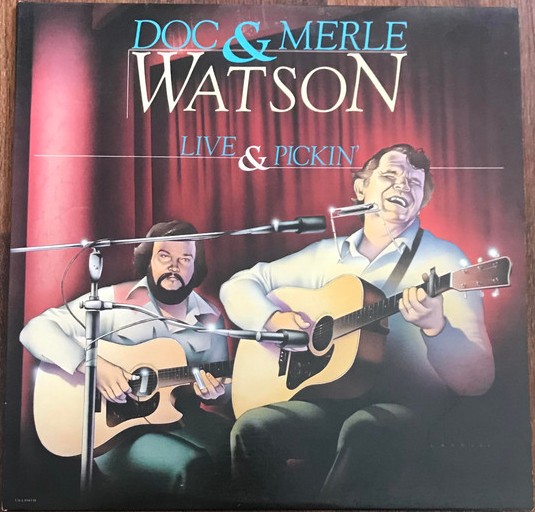
In the early 1970s the Watsons moved to Poppy and United Artists. Their “Bottle of Wine,” issued on Poppy in July 1973, reached No. 71 on the country chart, and Two Days in November (1974), credited to Doc and Merle, won the Grammy for Best Ethnic or Traditional Recording. By 1974 the bassist T. Michael Coleman was playing with them. Merle played slide guitar and Dobro as well as guitar on Lonesome Road (United Artists, 1977), recorded at Studio in the Country in Bogalusa, Louisiana, and guitar, slide and banjo on Live & Pickin’ (1979), taped at the Great American Music Hall in San Francisco. “Big Sandy/Leather Britches,” credited to both Watsons, won the Grammy for Best Country Instrumental Performance in 1980, and Merle drew a nomination in the same category with Coleman for “Below Freezing.”
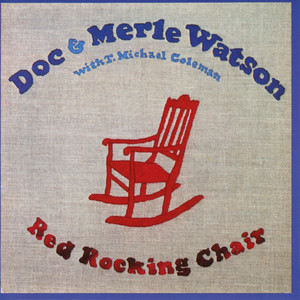
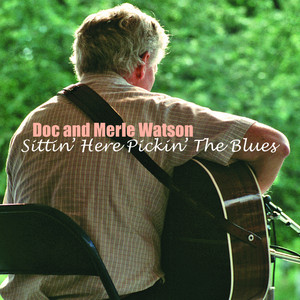
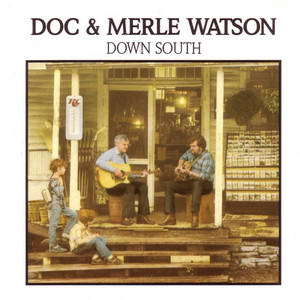
From 1981 the pair recorded mainly for Flying Fish: Red Rocking Chair (1981), Doc & Merle Watson’s Guitar Album (1983) and Pickin’ the Blues (1985), made at North Star Studios in Todd, North Carolina, with Merle on slide guitar and Sam Bush on fiddle. Down South (Sugar Hill, 1984) was recorded at the same studio as a trio with Coleman. In 1985 Frets magazine named Merle its Best Finger-Picking Guitarist in the folk, blues and country category.
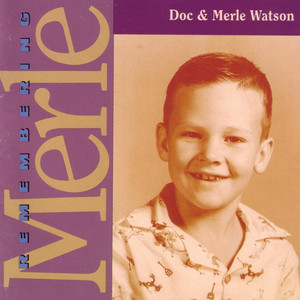
Merle died on 23 October 1985, aged 36, in a tractor accident near Lenoir, North Carolina. In 1988 Doc founded MerleFest in his memory at Wilkes Community College in Wilkesboro, and the festival is held there every spring. Sugar Hill’s Remembering Merle (1992) gathered live recordings of the pair, the film Doc and Merle followed in 1996, and Merle is a member of the North Carolina Music Hall of Fame. His son, Richard Watson, later played guitar with Doc on stage.
These are the recordings in our catalog that credit Merle Watson. We add more all the time.






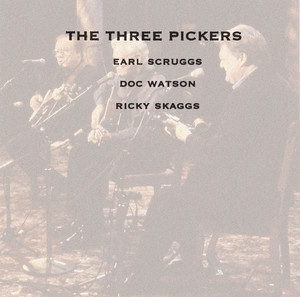

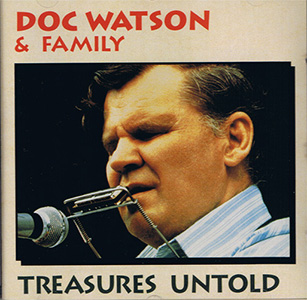

-
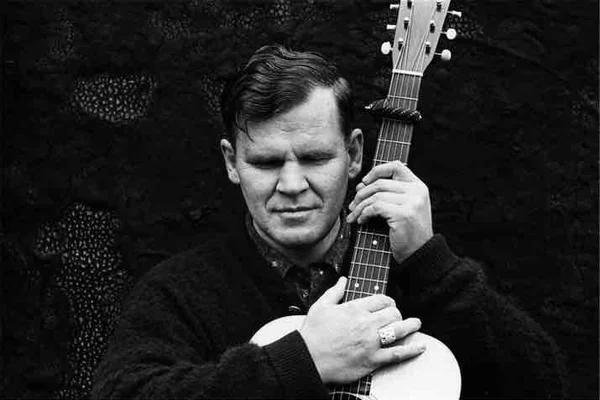 Doc WatsonPlayed on with Doc Watson
-
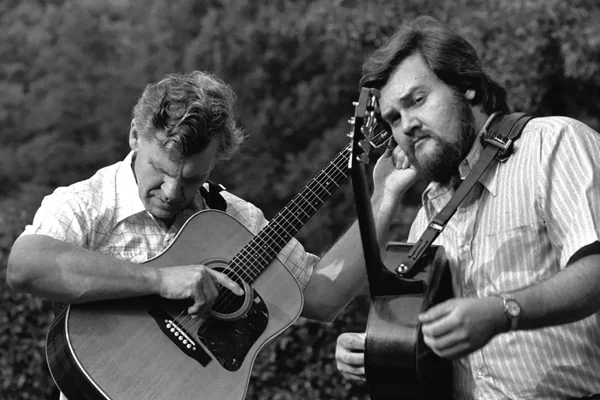 Doc and Merle WatsonPlayed on with Doc and Merle Watson
-
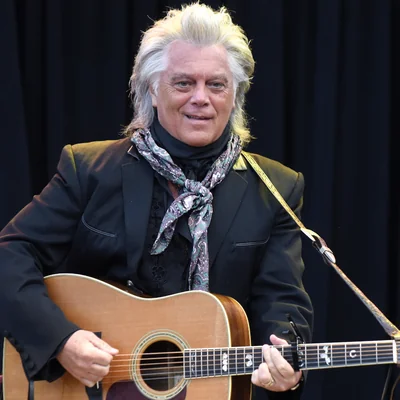 Marty StuartPlayed on with Marty Stuart
-
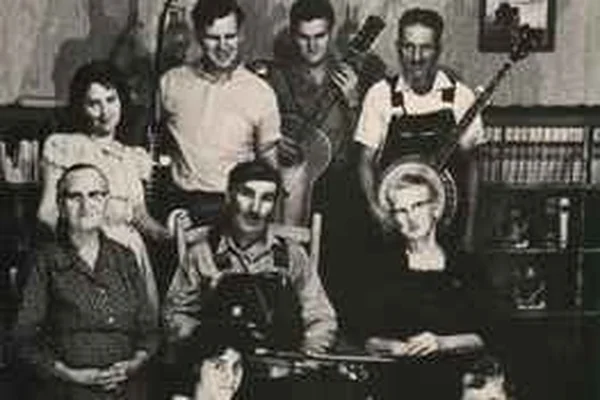 The Watson FamilyPlayed on with The Watson Family