“Little Sadie” (also “Bad Lee Brown,” “Cocaine Blues,” “Transfusion Blues,” and a long list of related titles) is a traditional Anglo-American murder ballad with both Black and white Southern oral roots. The earliest commercial recordings are from the 1920s and 1930s; the song spread through old-time, blues, country, and folk-revival channels with the lyric stable enough to remain recognizable across vastly different musical settings.
The lyric is a confession piece: the narrator shoots his sweetheart Sadie down with a 41 derringer, runs from the law, is caught at Thomasville, and ends sentenced to ninety-nine years on the rocky road. Variants shift the weapon, the location, and the sentence length, but the basic narrative remains constant. Bob Dylan’s 1970 Self Portrait recording, Johnny Cash’s “Cocaine Blues” reading at Folsom Prison in 1968, and Doc Watson’s instrumental version are among the dozens of recordings that carried the song through the 20th century.
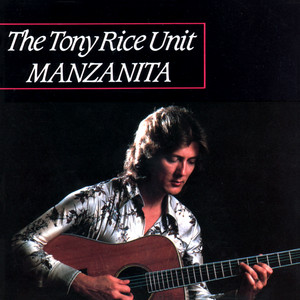
The Tony Rice Unit’s 1979 Rounder reading on Manzanita is a defining contemporary bluegrass arrangement. Rice’s flatpicked guitar and the band’s harmonically open instrumental palette pull the song into a more modern register without softening the lyric’s directness. It works as a moderate-up-tempo vocal piece in G with a strong instrumental break, and the song is a frequent call in jams that want a confession-style murder ballad.