“Little Mathie Grove” is an American form of a ballad that Francis James Child catalogued as number 81 and that is known in England as “Little Musgrave and Lady Barnard” (Roud 52, and also “Matty Groves”). It probably originated in northern England. The earliest known reference is in Beaumont and Fletcher’s play The Knight of the Burning Pestle (1613), and a version was printed in 1658; surviving seventeenth-century broadsides in the Bodleian Library are among the earliest texts.
The story is of adultery and revenge. A young man goes to church on a holy day, and the wife of Lord Arnold takes his hand and invites him home. They are asleep in her bed when the lord stands at their feet. He tells Mathie to dress, so that he will not be known to have killed a naked man; Mathie says he fears for his life and has no weapon, and the lord offers him the better of two swords and the first blow. Mathie wounds the lord, the lord kills Mathie, and he then asks his wife which of the two she likes best. She answers that she likes Mathie, even in his blood, better than her husband and all his kin, and he kills her.
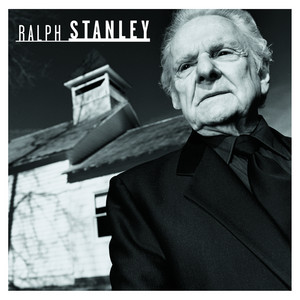
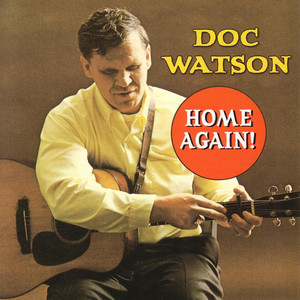
By the time folklorists began collecting, the ballad had largely died out in the British Isles; Cecil Sharp’s 1908 recording from a singer in London is the only version known to have been collected in England. Dozens of traditional versions were recorded in the Appalachian region, among them Green Maggard’s “Lord Daniel” in Ashland, Kentucky (1934) and Jean Ritchie’s family version, recorded by Alan Lomax in 1949. Doc Watson recorded it as “Matty Groves” on Home Again! (Vanguard, 1967), and Ralph Stanley sang it as “Little Mathie Grove” on his 2002 album Ralph Stanley, with Norman Blake on guitar, Stuart Duncan on banjo, Mike Compton on mandolin and Dennis Crouch on bass.