“Down to the River to Pray” is a traditional American spiritual whose earliest documented form, titled “The Good Old Way,” appears in Slave Songs of the United States in 1867 — the first published collection of African-American spirituals, edited by William Francis Allen, Charles Pickard Ware, and Lucy McKim Garrison. The song was contributed to that collection by George H. Allan of Nashville, and the early text is a single-verse-with-refrain piece about gathering at the riverside to pray.
The song’s exact origin is contested. Various accounts treat it as African-American in origin, as a hybrid Anglo-American/African-American piece, and (more speculatively) as carrying Native melodic features — visitors to the National Museum of the American Indian have noted Hupa repertoire that shares contour with the song’s pentatonic melody. The historical record is thin enough that the safer summary is: traditional, mid-19th-century or earlier, with multiple cultural strands feeding the version sung today.
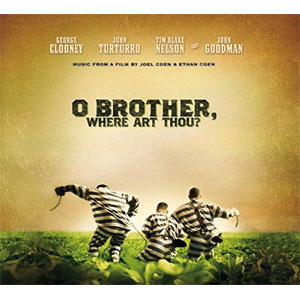
Alison Krauss’s reading on the 2000 O Brother, Where Art Thou? soundtrack is the version that brought the song into wide modern circulation. The film’s T Bone Burnett-produced soundtrack triggered a roots-music renaissance and won the 2002 Grammy for Album of the Year; Krauss’s a-cappella-feeling layered-vocal arrangement of “Down to the River” remains one of the soundtrack’s most-recognised tracks. It has since become one of the most-performed gospel pieces in modern bluegrass and acoustic gospel sets.