“Little Maggie” is a traditional Appalachian folk song most likely originating in the late 1800s, descended from the same broad tradition that produced “Darling Corey” and “Hustling Gamblers” — the body of “white blues” songs the southern mountains carried before the recording industry began documenting them. The narrator’s Maggie is a hard-drinking heartbreaker, and the song’s modal Mixolydian melody gives it the haunting open quality typical of the older mountain repertoire.
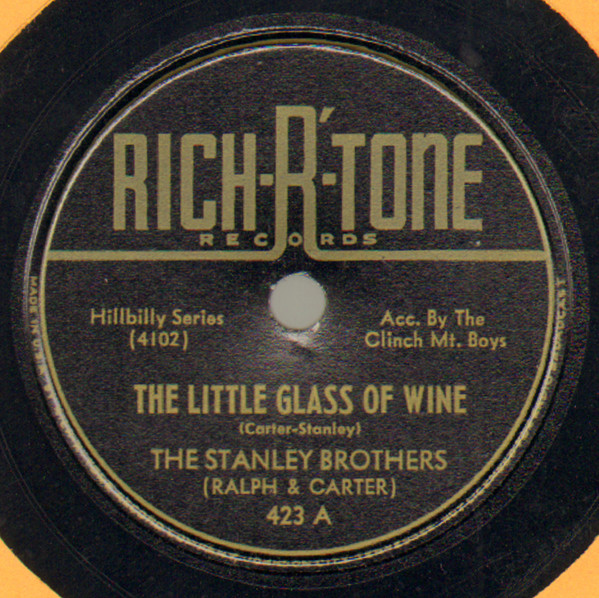
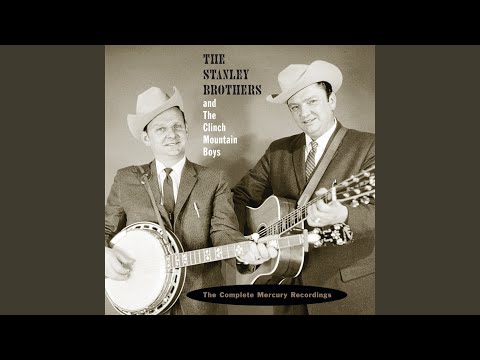
The earliest commercial recording is from around 1928, by the guitar-and-fiddle duo of Grayson and Whitter. The song’s pivotal moment for the bluegrass canon came in 1947 or 1948, when Carter and Ralph Stanley recorded it as the Stanley Brothers — the version that introduced “Little Maggie” to the post-war commercial audience and effectively launched it into the genre’s standard repertoire. The Stanley reading sits in the modal old-time feel even as the band’s bluegrass arrangement begins to assert itself underneath.
Ralph Stanley continued to perform “Little Maggie” with his Clinch Mountain Boys after his brother’s death in 1966, and the Stanley arrangement remains the canonical bluegrass version. The song has been recorded by dozens of acts since, and it remains one of the most-played Stanley-tradition songs at any bluegrass jam.