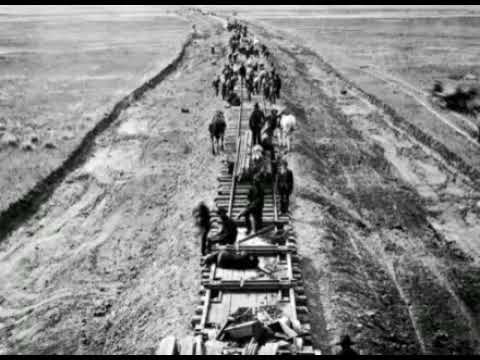
“Walkin’ Boss,” also written “Walking Boss,” is a traditional work song of railroad and construction gangs. Its best-documented early performer is the banjo player and singer Clarence “Tom” Ashley, recorded at Shouns, Tennessee, in July 1961 by Eugene Earle and Ralph Rinzler. Ashley remembered it as a track-lining song from the days when he sang in the West Virginia coal fields, and he could not say where he had learned it. Folkways issued the recording in 1963 on Old Time Music at Clarence Ashley’s, Volume Two.
The song has older traces. Phrases about belonging to the steel-driving crew appear in early collections of Black work songs, and a line about going to talk to the walking boss when you want to lay off was reported from Auburn, Alabama, in 1915–16. In 1960 a closely related version was collected in Albemarle County, Virginia, from Mrs. Marybird McAllister, who said she had learned it in her youth from a Black railroad worker who stopped at her father’s house and sang through the night. Her text takes a warmer view of the boss, where Ashley’s speaker tells the walking boss he does not belong to him but to the steel-driving crew.
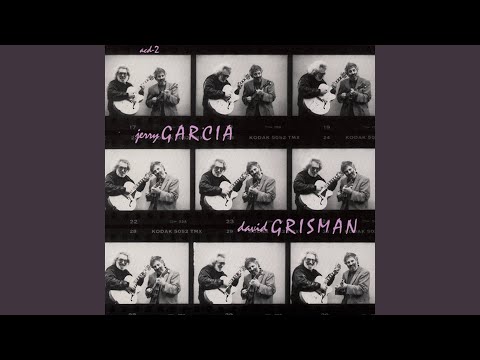
In Ashley’s version the speaker works a day and then lies around the shanty. He asks a boss for a job and is asked what he can do, and answers that he can line track, handle a jack, and pick and shovel. Doc Watson, who played on the Ashley sessions, recorded it as “Walking Boss” on his 1975 United Artists double album Memories. Jerry Garcia and David Grisman recorded it at Dawg Studios in Mill Valley, California, for Jerry Garcia / David Grisman (Acoustic Disc, 1991), with Garcia singing, Grisman on mandolin, Joe Craven on fiddle and percussion and Jim Kerwin on bass.