“I Am a Pilgrim” is a traditional American Christian hymn first documented in the mid-19th century, with melodic and lyrical material entwined with the older song “Wayfaring Stranger” (which appeared in The Sacred Harp in 1844). The song belongs to the broader American spiritual and shape-note tradition of the 19th century, and was widely sung in both Black and white religious communities.
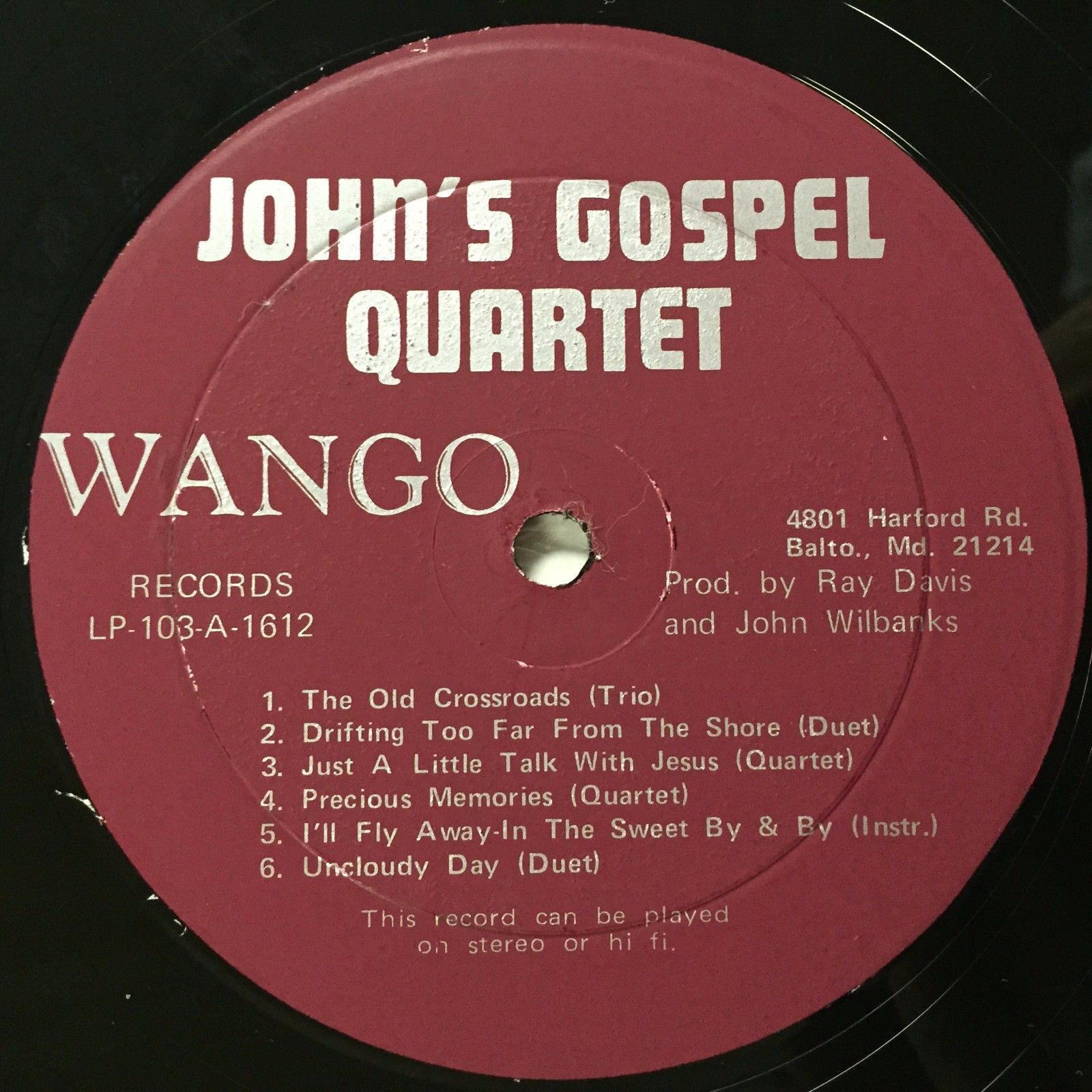
“I Am a Pilgrim” was recorded by at least 14 African American gospel groups before Merle Travis cut his version, with the earliest known recording made by the Norfolk Jubilee Quartette in 1924 for Paramount Records. The song’s pivotal commercial moment came in 1947, when Travis included it on his hugely influential album Folk Songs of the Hills. Travis had learned the song through his Kentucky neighbor Mose Rager, who in turn had learned it from his brother Lyman Rager — Lyman had picked it up while in jail, hearing it sung by a Black prisoner. The song’s transmission line through Travis is one of the cleanest examples of how the African American gospel tradition seeded the white country and bluegrass canon.
The Travis recording became the canonical reading and inspired versions by Bill Monroe, Doc Watson, and many others. “I Am a Pilgrim” remains a fixture in the bluegrass-gospel repertoire.