
Kenny Baker
Kenny Baker (1926–2011) was a fiddler from Burdine, Kentucky, who played in Bill Monroe’s Blue Grass Boys in three spells between 1957 and 1984, longer than anyone else in the band, and from November 1968 to December 1983 was on almost every record Monroe made. Monroe liked to introduce him as “the greatest fiddler in bluegrass.” His twelve albums for County circulated widely, and fiddlers learned his eighty-odd compositions from them and from late-night festival jam sessions.
He was born on 26 June 1926 in the coal-mining town of Burdine, the son and grandson of old-time fiddlers. Having heard the old fiddle numbers all his childhood, he decided he did not want to play the fiddle, and started on the guitar at about seven. He learned a four-finger style in open G tuning, influenced by Ernest Johnson, a blind African American musician who sold peanuts in Jenkins, Kentucky, and as a boy he played guitar behind the fiddle and banjo at house dances. From the age of fourteen, for most of his working life, he was a deep-pit miner for the Consolidated Coal Company, later Bethlehem Steel, in Jenkins. In the Navy during the Second World War he heard the Western swing of Bob Wills and the jazz violin of Stéphane Grappelli in New Guinea, played guitar for eighteen months with a USO troupe, and on Okinawa fiddled a square dance with the only two numbers he knew, “Rubber Dolly” and “Ragtime Annie.” At home after the war he turned to the fiddle in the Western swing manner.
Following his mentor, the swing fiddler Marion Sumner of Hazard, Kentucky, he played fiddle and sang tenor in Don Gibson’s country band from 1953 to 1957, based mostly at WNOX in Knoxville. Bill Monroe, who came through WNOX to play the Mid-Day Merry-Go-Round, liked his work with Gibson and offered him a job, and Baker’s first show with the Blue Grass Boys was in Bluefield, West Virginia. His first session with Monroe, for Decca in Nashville on 15 December 1957, produced “Sally-Jo,” “Brand New Shoes” and “A Lonesome Road,” with Joe Stuart on the second fiddle. In February and March 1958 he sang baritone on the gospel sessions for Monroe’s I Saw the Light, and on 8 April 1958 he and Bobby Hicks twinned on “Panhandle Country” and “Scotland.”
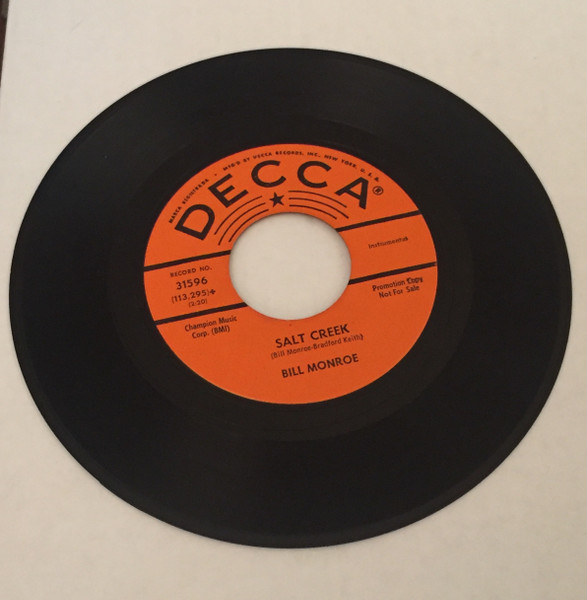
He went back to the mines between spells with Monroe. Returning in 1962, he was the featured fiddler on “Big Sandy River” and his own “Baker’s Breakdown,” recorded on 6 December 1962. On 20 March 1963, with Bill Keith on banjo, he recorded “Salt Creek,” “Devil’s Dream” and “Sailor’s Hornpipe.” That year he played with Monroe at the Friends of Old Time Music concert in New York in February and at the Newport Folk Festival in July.
In 1968, with his sons grown, he left the mines, moved near Nashville and rejoined Monroe for his longest stay. From November 1968 to December 1983 he played on almost every recording Monroe made, 237 cuts in all. Monroe saw him as the first fiddler worthy of the fiddle tunes he had learned from his uncle Pen Vandiver, and the album Uncle Pen, recorded in 1969 and 1970, was one result. Monroe also played him unfinished pieces in private, and some of them, such as “Jerusalem Ridge,” recorded at Bradley’s Barn on 10 March 1975, came to carry ideas from both men. Within the band Baker acted as section leader, training each new member and passing on Monroe’s expectations. Their partnership ended on 12 October 1984, when Baker walked off stage for good after Monroe told him to play “Jerusalem Ridge” for a drunken heckler. The two were reconciled on stage at Bean Blossom, Indiana, in 1994.
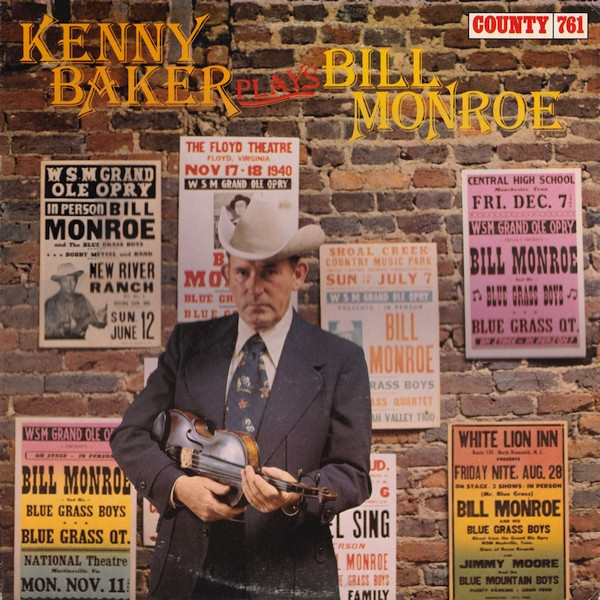
Alongside the Blue Grass Boys he built up a run of solo records for County, some of it recorded in motel rooms between festival sets and sold from the bandstand. It began with High Country (1968), made with Joe Greene, and Portrait of a Bluegrass Fiddler (1969), and went on through Kenny Baker Country (1972), Frost on the Pumpkin (1977) and Farmyard Swing (1979). Kenny Baker Plays Bill Monroe (1976) was recorded in Nashville in March 1976 with Joe Stuart, Vic Jordan and Randy Davis, and Monroe himself turned up unannounced to play mandolin. Twin-fiddle albums followed with Bobby Hicks (Darkness on the Delta, 1980) and Howdy Forrester (Red Apple Rag, 1983). BMI credits him with eighty-two compositions, among them “Frost on the Pumpkin,” “High Country,” “Washington County,” “Windy City Rag” and “Doc Harris the Fisherman.” In the 1970s he also made two Puritan albums playing lead guitar beside Josh Graves’s Dobro, Something Different (1972) and Bucktime (1974), until a knife accident in 1977 ended his guitar playing.
After leaving Monroe he teamed up with Graves in the fall of 1984, a fiddle-and-Dobro partnership that recorded Flying South for Ridge Runner (1986) and Tennessee-Kentucky Favorites for Montana Country (1987) and lasted until shortly before Graves’s death. From 1989 the two also played in the Masters with Jesse McReynolds and Eddie and Martha Adcock; the group’s first CMH album won IBMA’s Instrumental Recorded Performance of the Year in 1990. He recorded the twin-fiddle album Indian Springs (Rounder, 1989) with Blaine Sprouse, toured in the 1990s with fiddlers of many styles in the National Council for the Traditional Arts’ “Masters of the Folk Violin,” and made two CDs for OMS, Cotton Baggin’ 2000 (2000) and Spider Bit the Baby (2002). Among the fiddlers he mentored were James Bryan, Blaine Sprouse and Aubrey Haynie. In his eighties he seldom played in public. He died in Nashville on 8 July 2011, aged 85, and his funeral was held at the Burdine Freewill Baptist Church.
- 1990: IBMA Instrumental Recorded Performance of the Year, with the Masters
- 1993: National Heritage Fellowship
- 1999: International Bluegrass Music Hall of Honor
- 2012: National Fiddler Hall of Fame
These are the recordings in our catalog that credit Kenny Baker. We add more all the time.






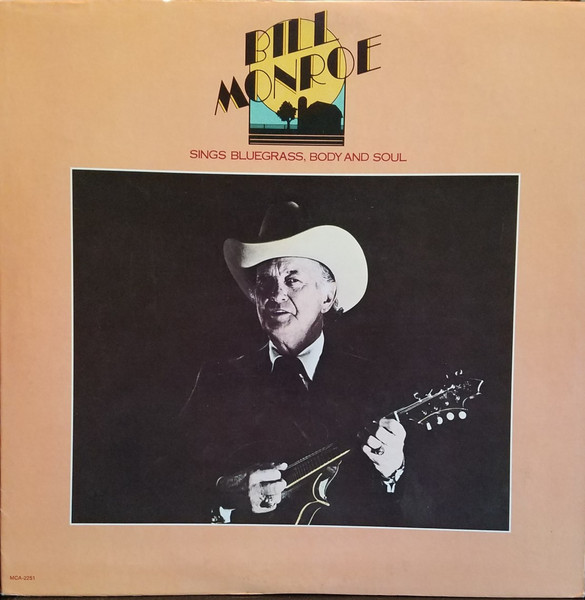
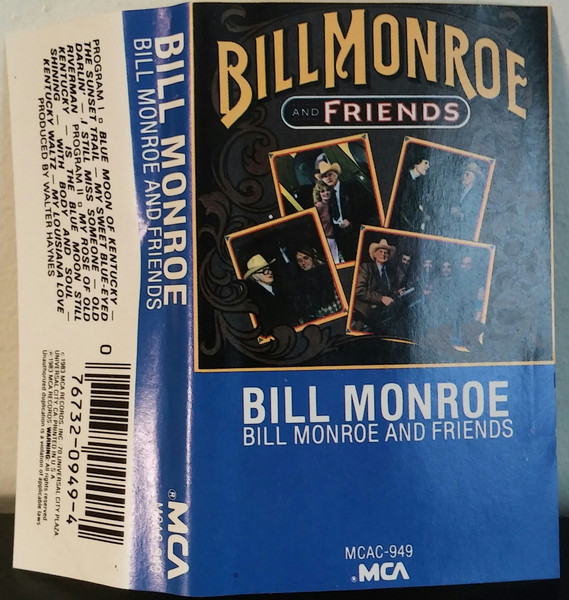
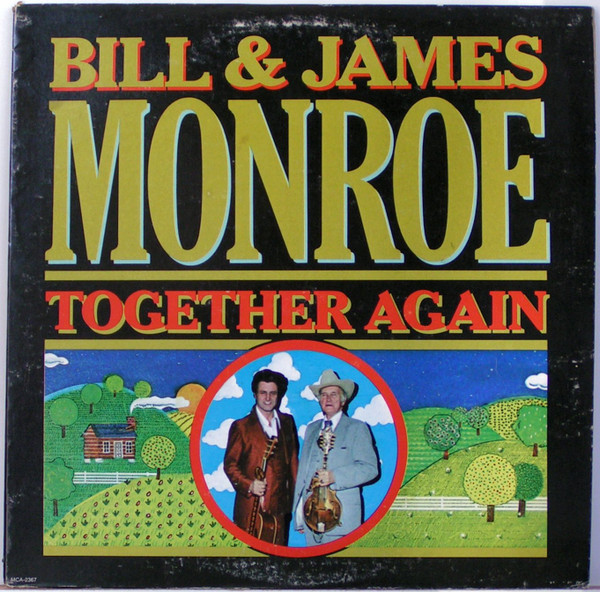

-
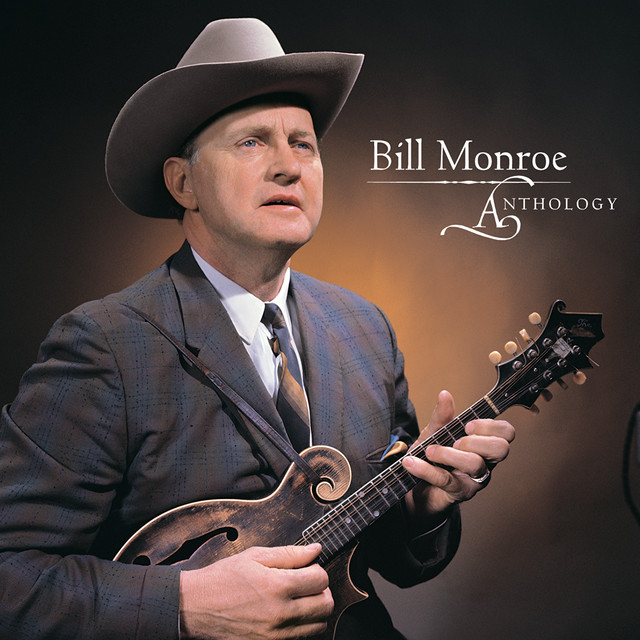
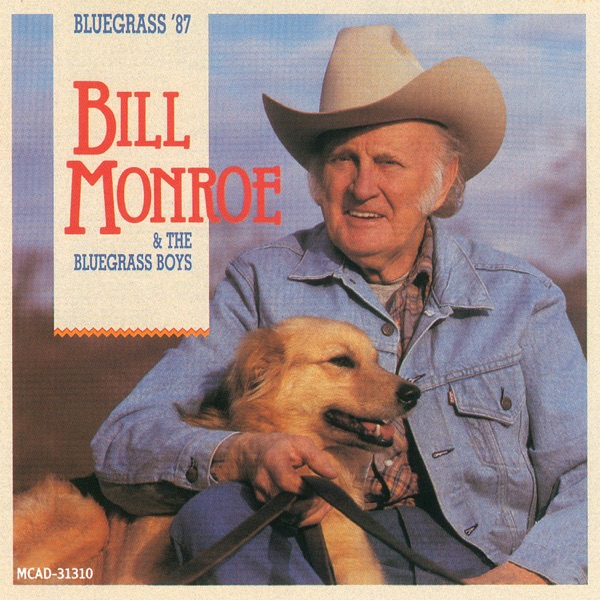
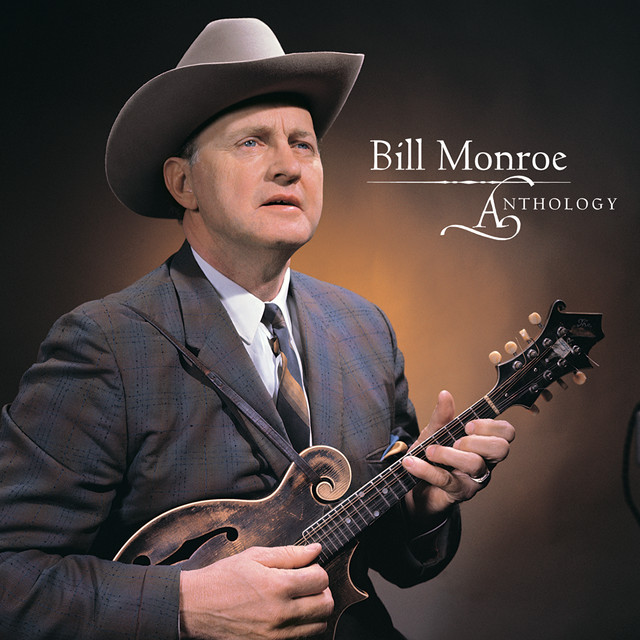
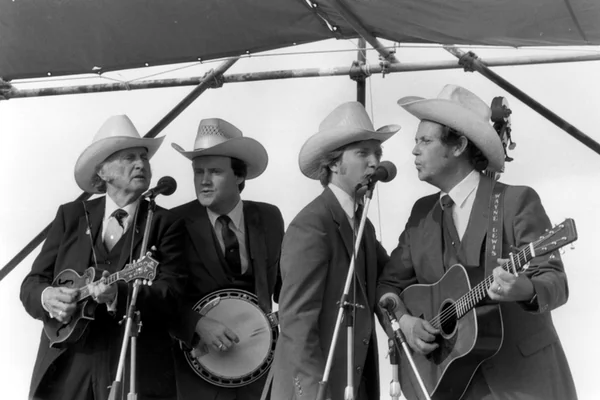 Bill Monroe and His Blue Grass BoysPlayed on with Bill Monroe and His Blue Grass Boys
-
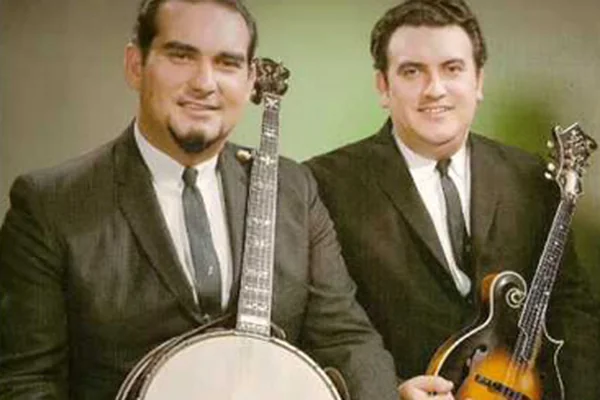 The Osborne BrothersPlayed on with The Osborne Brothers
-
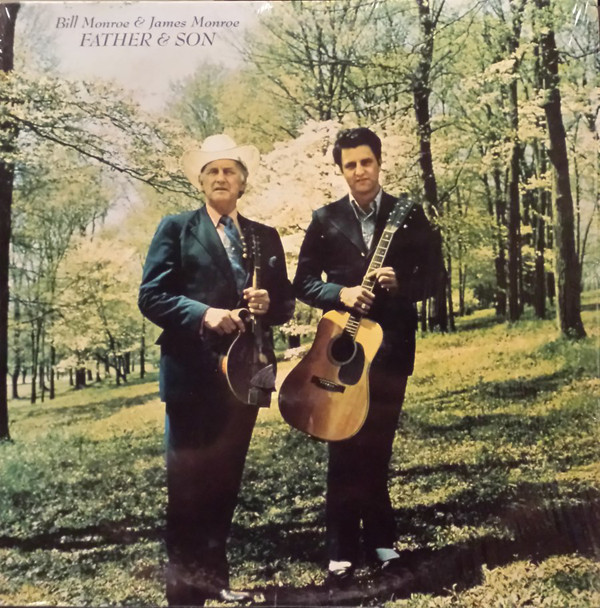
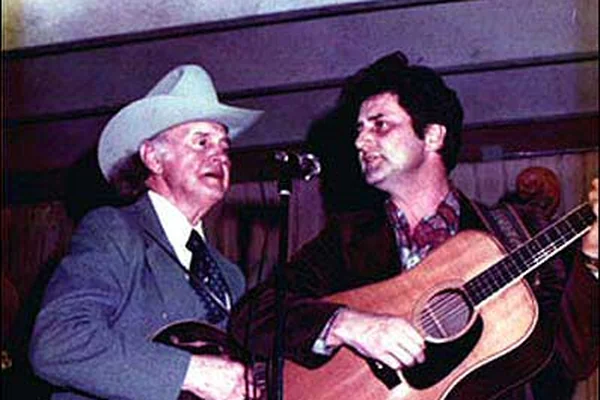 Bill Monroe and James MonroePlayed on with Bill Monroe and James Monroe
-
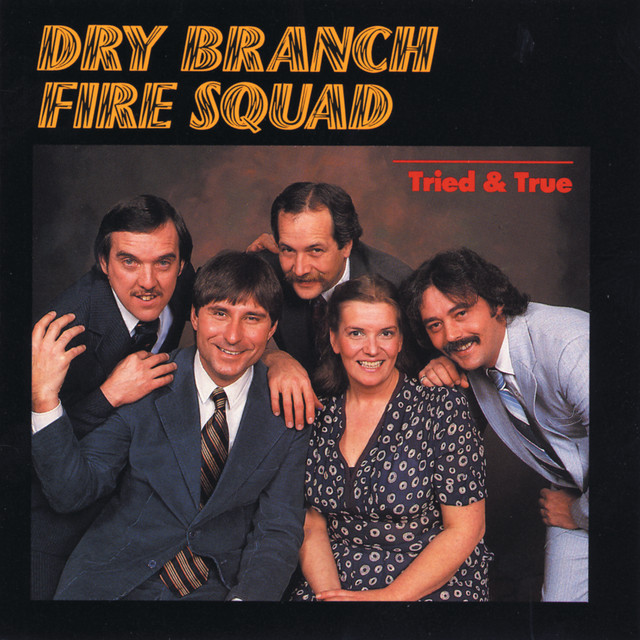
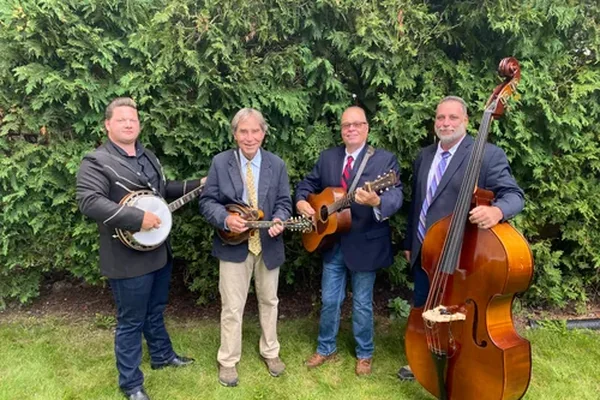 Dry Branch Fire SquadPlayed on with Dry Branch Fire Squad
-
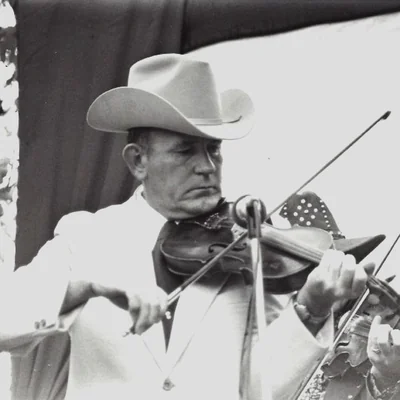 Kenny BakerPlayed on with Kenny Baker
-
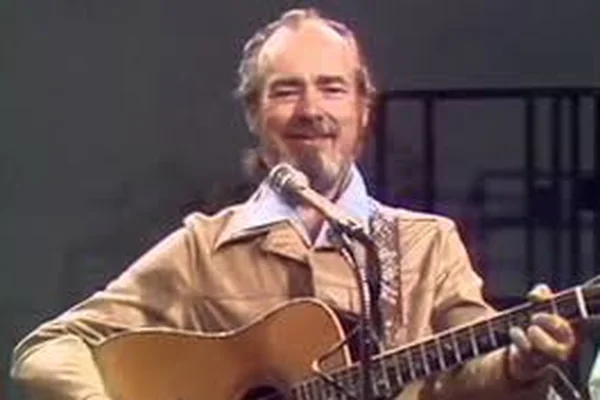 Mac WisemanPlayed on with Mac Wiseman
-
Bill Monroe and John HartfordPlayed on with Bill Monroe and John Hartford
-
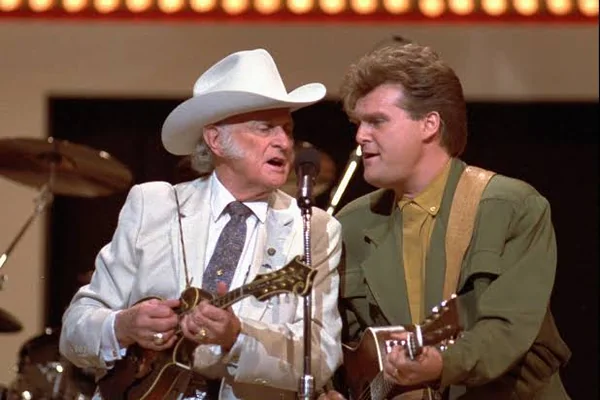 Bill Monroe and Ricky SkaggsPlayed on with Bill Monroe and Ricky Skaggs
-
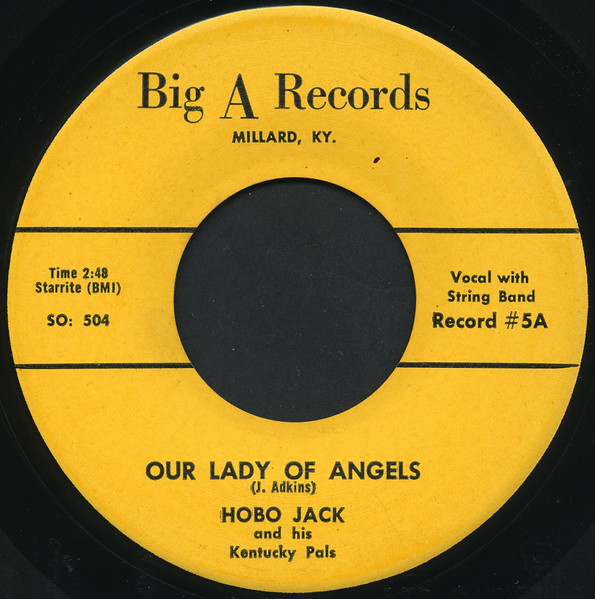
Hobo Jack and His Kentucky PalsPlayed on with Hobo Jack and His Kentucky Pals
-
Kenny Baker and Josh GravesPlayed on with Kenny Baker and Josh Graves
-
The MastersPlayed on with The Masters
-
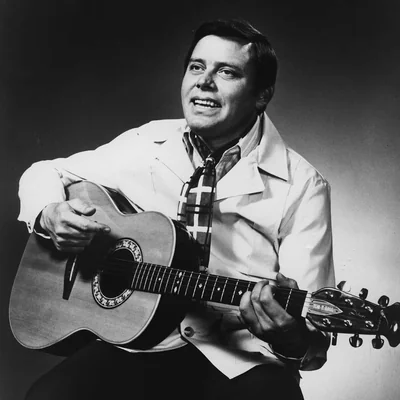 Tom T. HallPlayed on with Tom T. Hall



