
Musicians
- Earl Bolick — Lead Vocals, Guitar
- Bill Bolick — Tenor Vocals, Mandolin
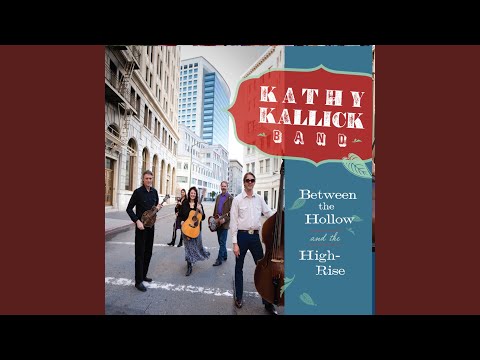
By:Traditional · Source Recording: Kathy Kallick Band (2010)Song details
Well sou oughta see my Cindy she lives way down south
She's so sweet the honey bees will swarm around her mouth
Get along home Cindy Cindy get along home (Cindy Cindy)
Get along home Cindy Cindy I'll marry you someday
Now the first time I saw Cindy she was standin' in the door
Shoes and stockings in her hand and her little bare feet on the floor
The Next time I saw Cindy she was standing on a hill
Every time she said I won her echo said I will
And the last time I saw Cindy she made a little pass
I'm going back to see her If I don't run out of gas
Well you oughta my Cindy she lives way down south
She's so sweet the honeybees all swarm around her mouth
That’s your free listen. With an account the band keeps going — this song and every other one, as many times through as you like, in any key, at any tempo. Free for 14 days, no card.
Start my free 14 daysClicks before the band comes in, so you start together.
Raises the tempo as the band goes round, so you build up speed.
The band goes quiet for a bar or two and you keep the time going.
“Get Along Home, Cindy” — often called simply “Cindy” — is a traditional American folk song with no known author, catalogued as Roud 836. One of its earliest printed versions is in Anne Virginia Culbertson’s 1904 collection of African American folktales, At the Big House, in which a character sings a plantation song called “Cindy Ann”; its first verse has the singer heading to Richmond to help end the war, and the refrain bids goodbye to Cindy.
The melody is taken from the spiritual “The Gospel Train,” also known as “Get on Board, Little Children.” As with many folk songs, each singer added verses, and performers swapped verses with other songs, among them “Old Joe Clark” and “Boil Them Cabbage Down,” as Byron Arnold and Robert Halli noted in An Alabama Songbook. The version most often sung today is a courting song: the singer boasts of Cindy, who lives way down south and is so sweet that honeybees swarm around her, tells of the times he saw her — barefoot in a doorway, standing on a hill — and promises in the refrain to marry her someday.
In the early and middle twentieth century “Cindy” was printed in the songbooks used in many elementary-school music programs as an example of folk music. It turns up on screen in the 1959 film Rio Bravo, sung by Dean Martin, Ricky Nelson and Walter Brennan, and Andy Griffith sings it in a 1962 episode of The Andy Griffith Show. Among the earlier bluegrass-world releases in the Bluegrass Discography is Johnny Duncan and his Blue Grass Boys’ single on Columbia (UK), 1957. It is a different song from “Cindy, Cindy,” the Buddy Kaye, Ben Weisman, Dolores Fuller and Fred Wise composition recorded by Elvis Presley and Johnny Cash.
Please choose a song.
Clicks before the band comes in, so you start together.
Raises the tempo as the band goes round, so you build up speed.
The band goes quiet for a bar or two and you keep the time going.
Clicks before the band comes in, so you start together.
Raises the tempo as the band goes round, so you build up speed.
The band goes quiet for a bar or two and you keep the time going.
Loading chord chart…
Every song and every practice tool, free for 14 days. No card, nothing to cancel. Already have an account? Log in

Free for 14 days. No card needed.
Create an account and the whole thing is yours free for 14 days — every song in the catalog, every practice tool. No card needed.
Everything free for 14 days


Plus every chart in any key, playlists and printing.
Start my free 14 daysNo card, nothing to cancel.