“Dig a Hole in the Meadow” is a traditional Southern song best documented through Buell Kazee’s 1927 commercial recording, one of the earliest preservations of the piece on disc. Kazee, an East Kentucky banjoist and singer trained in classical voice, recorded the song in the original old-time mountain style; that recording is the reference point for most of what is known about the song’s pre-bluegrass life.
The lyric is a gallows or murder-ballad fragment in the older Anglo-American mould — the narrator instructing the listener to dig a hole in the meadow and bury him, with the floating verses common to the broader “Lay Your Hammer Down” / “Black is the Colour” family of songs. Variants drift toward different narratives; some lean toward a heartbroken farewell, others toward an outlaw-on-the-run text.
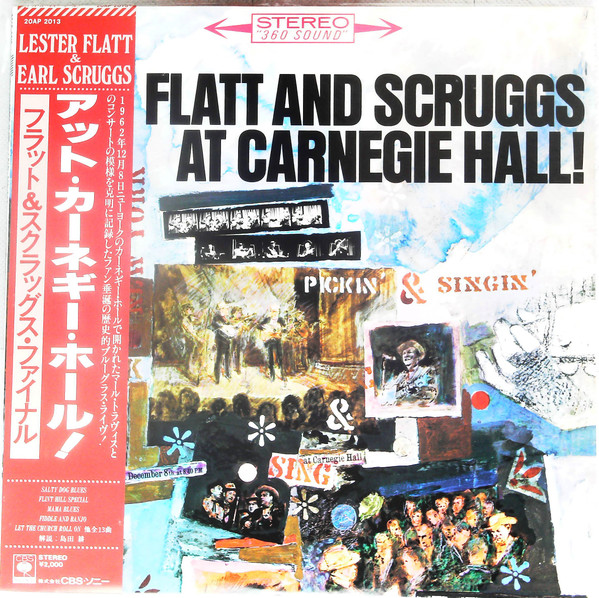
Lester Flatt and Earl Scruggs cut a definitive bluegrass reading on the 1963 Columbia album At Carnegie Hall! — up-tempo, with Scruggs’s three-finger banjo redrawing the rhythmic pulse and Flatt’s flat-baritone vocal carrying the line. Most contemporary bluegrass covers refer to the Flatt & Scruggs arrangement rather than to Kazee’s older modal reading, though both versions remain in circulation among old-time and bluegrass players respectively.