The Seldom Scene
The Seldom Scene began in 1971 as a part-time band of Washington, D.C.–area musicians with day jobs, built around John Duffey’s mandolin and high tenor, John Starling’s lead singing and Mike Auldridge’s Dobro. Weekly club nights, albums for Rebel and then Sugar Hill, and a repertoire drawn from country, folk and rock songs made them headliners while they kept their name’s promise of rare appearances.
The band grew out of the weekly jam sessions banjo player Ben Eldridge hosted in the basement of his Maryland home from the late 1960s, where John Starling and the Auldridge brothers were regulars. In September 1971 Eldridge and Mike Auldridge left Cliff Waldron’s band, finding that too much music clashed with their day jobs, and in October the informal group was asked to fill in for Waldron at the Red Fox Inn in Bethesda. A short weekly booking at the Rabbit’s Foot on Wisconsin Avenue followed, and from January 1972 the band held a weekly night at the Red Fox.
The original five were Starling on guitar and lead vocals, Duffey on mandolin and tenor, Auldridge on Dobro and baritone, Eldridge on banjo and Tom Gray on bass; Mike’s brother Dave Auldridge was also in the group for several months. Duffey and Gray had both been in the Country Gentlemen, and it was that band’s Charlie Waller who supplied the name. All of them had other careers. Starling was a physician, Eldridge worked at the Johns Hopkins Applied Physics Laboratory, Auldridge was a graphic artist at the Washington Star, Gray drew maps for the National Geographic Society and Duffey repaired musical instruments, and they expected the music to stay an occasional thing.
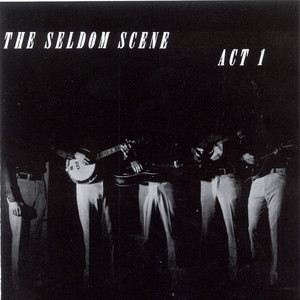
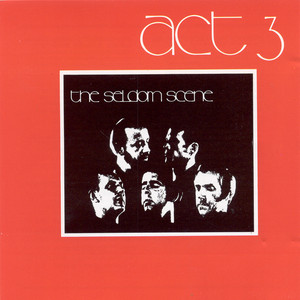
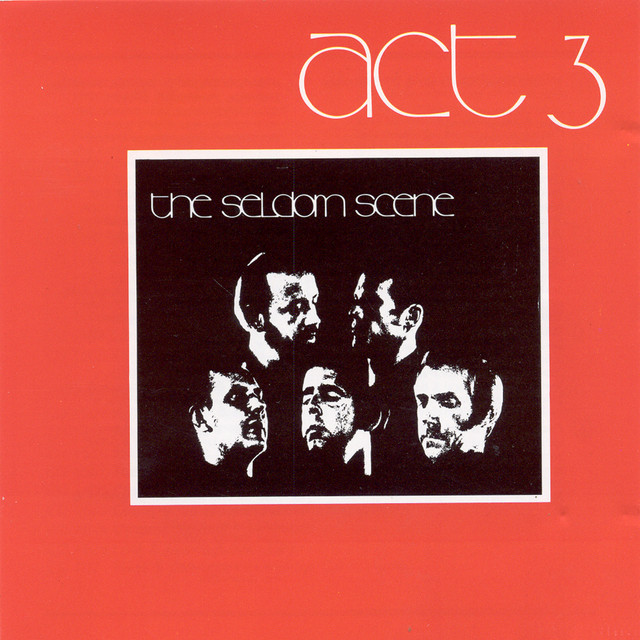
Act 1, recorded early in 1972 and issued by Rebel that year, included “Sweet Baby James” and “City of New Orleans.” Act Two and Act 3 followed in 1973 and Old Train in 1974, the year readers of Muleskinner News voted them the top band in bluegrass. Live at the Cellar Door, a double album recorded over two days at the Washington club in December 1974, came out in 1975, and The New Seldom Scene Album (1976) brought in Auldridge’s pedal steel guitar.
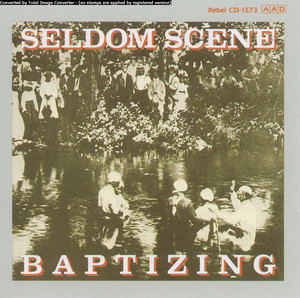
In 1977, as the band was finishing Baptizing, its only all-gospel album, Starling moved to Montgomery, Alabama, to give more time to his medical practice. Singer and songwriter Phil Rosenthal, whose “Muddy Water” the Scene had already recorded twice, took his place, and the band gave up the Red Fox and played its weekly night at the Birchmere in Alexandria, Virginia, instead. Baptizing was issued by Rebel in 1978, and from Act Four (1979) the band recorded for Sugar Hill. In Duffey’s years the band made eight albums for Rebel and nine for Sugar Hill, among them anniversary concerts from the Kennedy Center (1988) and the Birchmere, where a November 1991 show became the double set Scene 20 (1992).
The lineup began to change in the late 1980s. Lou Reid replaced Rosenthal in 1986, and in October 1987 T. Michael Coleman took over from Gray on electric bass. Starling came back for 1993 and 1994, singing on Like We Used to Be (1994), and then Moondi Klein took the lead vocals. In 1995 and 1996 Klein, Coleman and Auldridge, who had been with the band for twenty-five years, left to form Chesapeake. Duffey and Eldridge rebuilt with Dudley Connell on guitar and lead vocals, Fred Travers on resonator guitar and Ronnie Simpkins on bass, and recorded Dream Scene (1996).
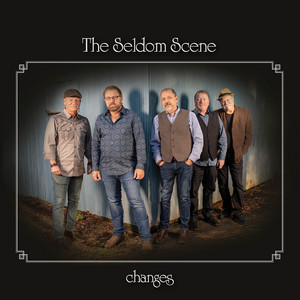
That September Duffey was inducted into the Bluegrass Hall of Fame with the classic Country Gentlemen, and on 10 December 1996 he died in Arlington, aged 62. Eldridge took over the leadership, and Reid returned to play Duffey’s mandolin part. Later albums include Scene It All (2000), Scenechronized (2007) and Changes (Rounder, 2019). Over the years the band has been nominated four times for a Grammy, for the Kennedy Center concert, Scene 20, Like We Used to Be and Scenechronized.
The original five entered the International Bluegrass Music Hall of Fame in 2014. Eldridge later retired from the band and died in April 2024. Their 24th album, Remains to Be Scene, came out on Smithsonian Folkways in March 2025, made by Reid on mandolin, Simpkins on bass, Ron Stewart on banjo and fiddle, Travers on Dobro and Connell on guitar. Connell retired at the end of 2024, and Clay Hess succeeded him.









-
Remains to Be Scene2025 · Smithsonian Folkways SFW 40248
-
Changes2019 · Rounder 1166100485
-
Long Time…Seldom Scene2014 · Smithsonian Folkways SFW CD 40199
-
Scenechronized2007 · Sugar Hill Records
-
Scene it All2000 · Sugar Hill SHC 3899
-
Dream Scene1996 · Sugar Hill SH-C 3858
-
Like We Used to Be1994 · Sugar Hill SH-C 3822
-
Scenic Roots1990 · Sugar Hill SH 3785
-
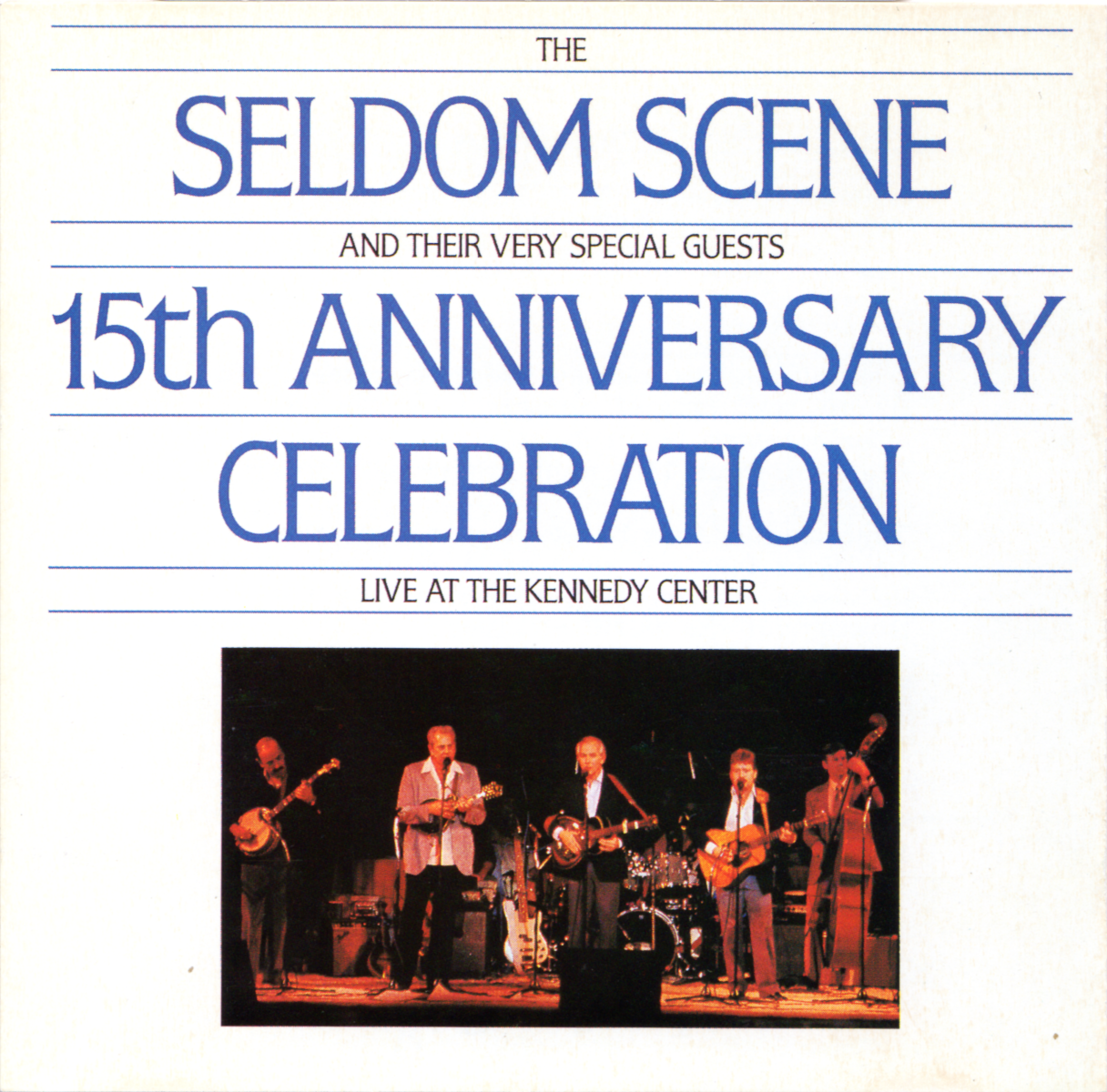 15th Anniversary Celebration: Live at the Kennedy Center1988 · Sugar Hill SH 2202
-
A Change of Scenery1988 · Sugar Hill SH 3763
-
After Midnight1981 · Sugar Hill SH-3721
-
 Act 41979 · Sugar Hill SH 3709
-
Act Four1979 · Sugar Hill SH-CD 3709
-
Baptizing1978 · Rebel REB 1573
-
The New Seldom Scene Album1976 · Rebel SLP 1561
-
Live at the Cellar Door1975 · Rebel SLP 1547-48
-
Old Train1974 · Rebel SLP 1536
-
Act 31973 · Rebel SLP 1528
-
Act Two1973 · Rebel SLP 1520
-
Act 11972 · Rebel SLP 1511
-
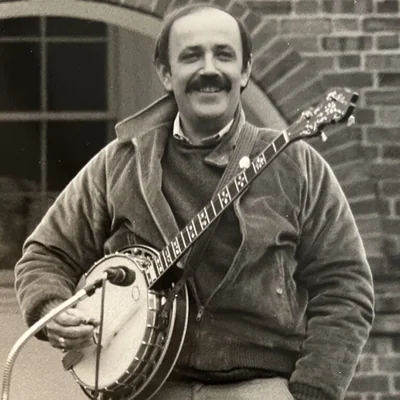 Ben EldridgePlayed on with The Seldom Scene
-
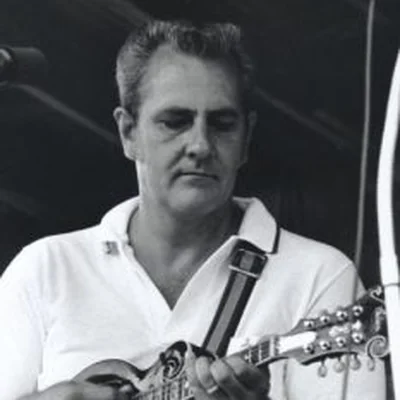 John DuffeyPlayed on with The Seldom Scene
-
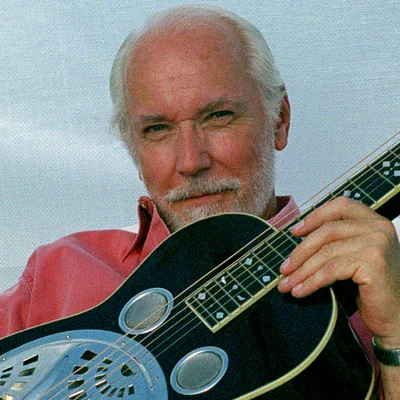 Mike AuldridgePlayed on with The Seldom Scene
-
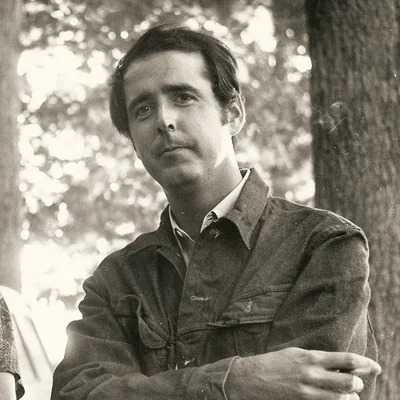 John StarlingPlayed on with The Seldom Scene
-
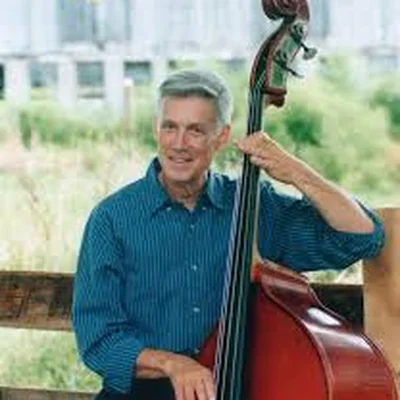 Tom GrayPlayed on with The Seldom Scene
-
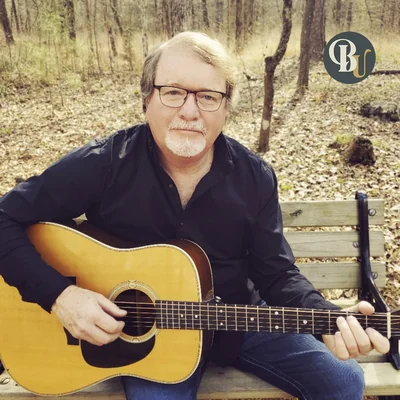 Lou ReidPlayed on with The Seldom Scene
-
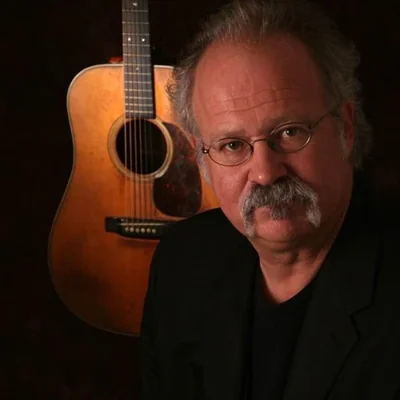 Dudley ConnellPlayed on with The Seldom Scene
-
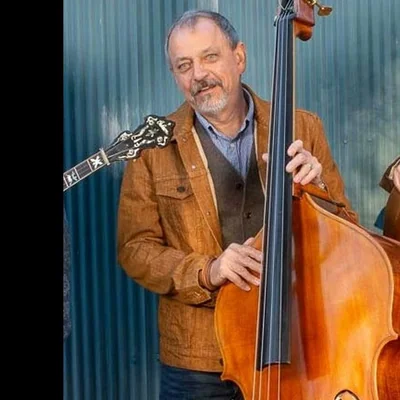 Ronnie SimpkinsPlayed on with The Seldom Scene
-
 Fred TraversPlayed on with The Seldom Scene
-
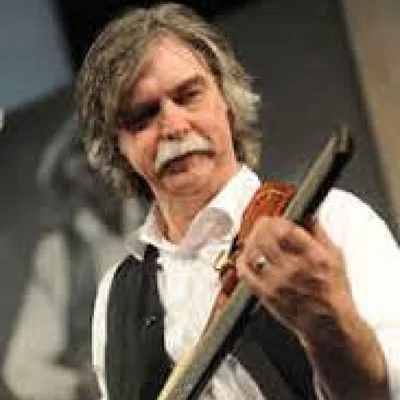 T. Michael ColemanPlayed on with The Seldom Scene
-
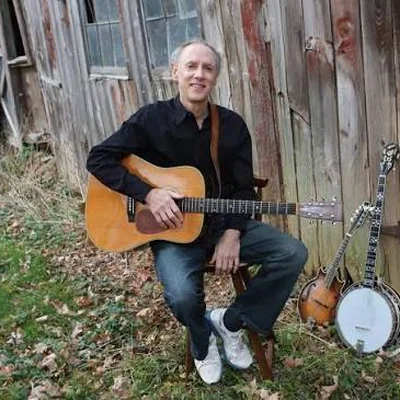 Phil RosenthalPlayed on with The Seldom Scene
-
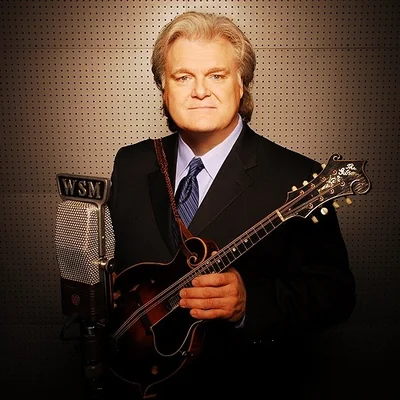 Ricky SkaggsPlayed on with The Seldom Scene
-
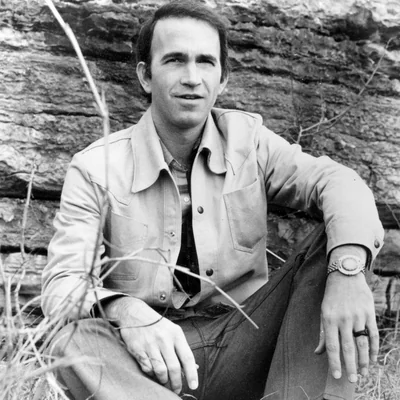 Paul CraftPlayed on with The Seldom Scene
-
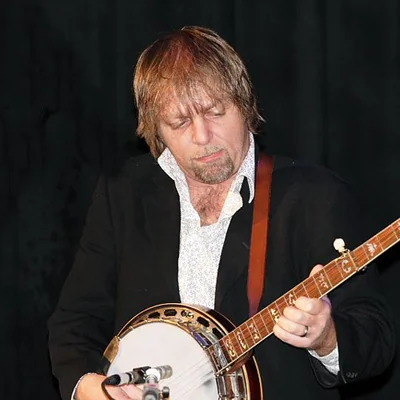 Ron StewartPlayed on with The Seldom Scene
-
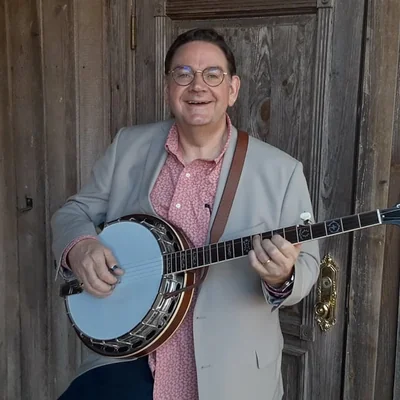 Alan O’BryantPlayed on with The Seldom Scene
-
Robbie MagruderPlayed on with The Seldom Scene
-
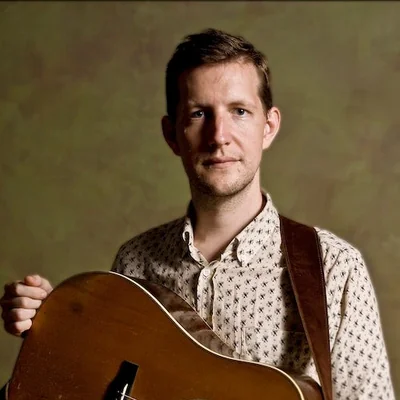 Chris EldridgePlayed on with The Seldom Scene
-
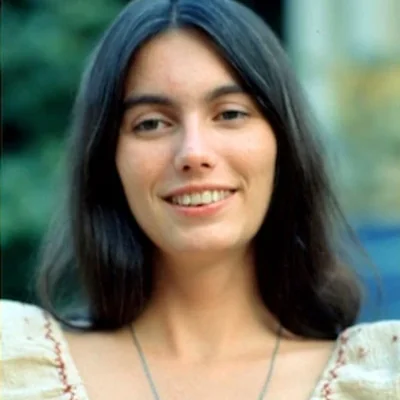 Emmylou HarrisPlayed on with The Seldom Scene
-
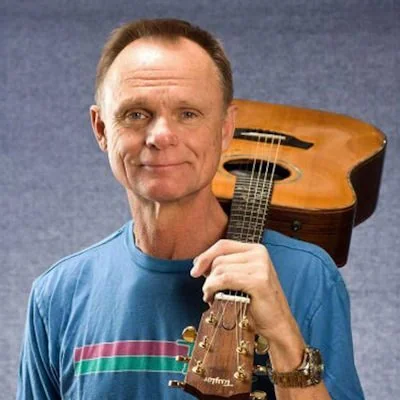 Jonathan EdwardsPlayed on with The Seldom Scene
-
Kenny WhitePlayed on with The Seldom Scene
-
Peter BontaPlayed on with The Seldom Scene
-
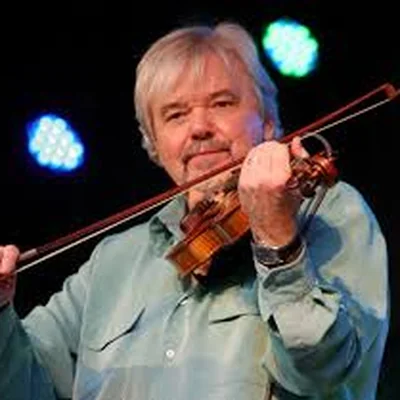 Rickie SimpkinsPlayed on with The Seldom Scene
-
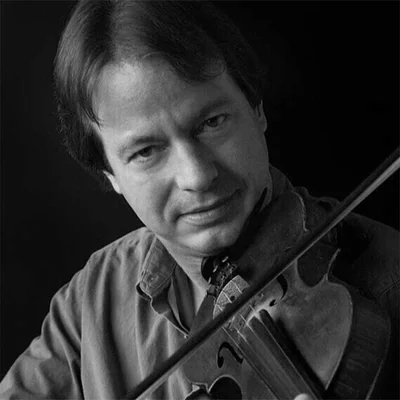 Stuart DuncanPlayed on with The Seldom Scene
-
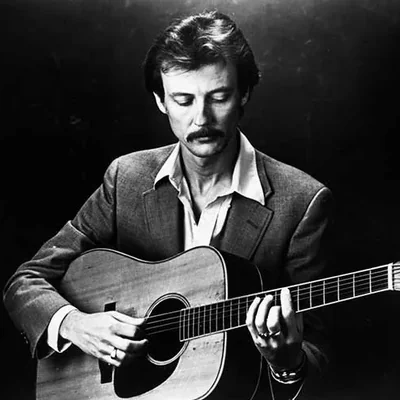 Tony RicePlayed on with The Seldom Scene