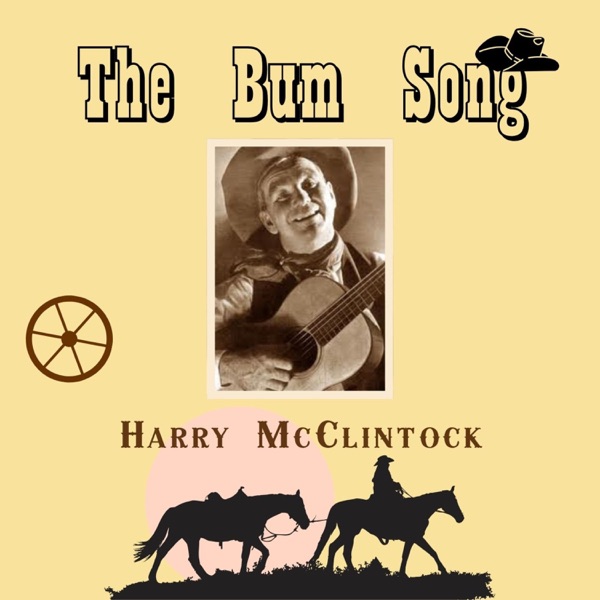
“Big Rock Candy Mountain” is a hobo’s vision of paradise — a place of cigarette trees, lemonade springs, and lakes of stew, where the jails are made of tin and a man never has to work. Harry “Haywire Mac” McClintock recorded and copyrighted it in 1928, and said he had written it decades earlier, drawing on his own youth riding the rails.
The song descends from a long line of imaginary lands of plenty, the folk tradition of Cockaigne. McClintock cleaned it up considerably from the version he had sung as a street busker: in the original, the tall tale was bait used to lure a boy into hobo life, and the streams ran with liquor rather than soda pop. The recording finally became a hit in 1939.
“Big Rock Candy Mountain” long ago entered the shared American folk repertoire, sung by old-time, bluegrass, and children’s performers alike. McClintock’s own 1928 recording reached a vast new audience when it opened the 2000 film soundtrack O Brother, Where Art Thou?