Hazel Dickens wrote “My Better Years” out of her own marriage. According to the notes to the Seldom Scene’s Long Time…Seldom Scene (Smithsonian Folkways, 2014), Dickens, a West Virginia native, moved to Baltimore in the early 1950s and became part of the Baltimore–Washington bluegrass crowd. There she met someone, fell in love and married; after about a year he strayed and they divorced. When he came back a year or two later, she told him to go away, and from that experience she wrote this song.
The lyric speaks to the man on her doorstep. He has come back crying, as she once cried through “all those lonely years,” but it has been too long since love was there, and she has already given him her better years. She will try not to blame or shame him, and if he needs a friend she will be there to the end, but she asks him not to ask her to love him again. The embers have long turned to ashes, and there is nothing left but old memories and this song.
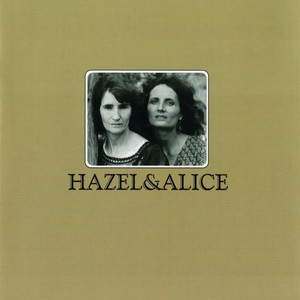
Dickens recorded it with Alice Gerrard on 14 October 1972 at Urban Recordings in Bethesda, Maryland, for the duo’s album Hazel & Alice (Rounder 0027, 1973). Dickens sang and played guitar, Gerrard sang and played autoharp, Tracy Schwarz played dobro and Mike Seeger bass.
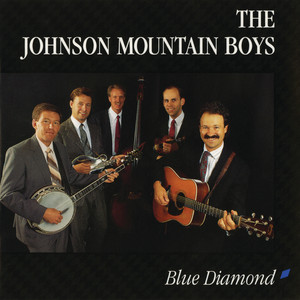
Music Row’s obituary of Dickens, who died in Washington, D.C., in April 2011, credits the Johnson Mountain Boys with having repopularized the song. Their version, sung by Dudley Connell with David McLaughlin, opens side A after “Duncan & Brady” on Blue Diamond (Rounder 0293, 1993), recorded at Big Mo Recording Studio in Kensington, Maryland, with Tom Adams on banjo, McLaughlin on mandolin, Eddie Stubbs on fiddle and Earl Yager on bass. Rounder later included it on its anniversary anthologies Hand-Picked: 25 Years of Bluegrass on Rounder Records and The Real Music Box (both 1995), and it appeared on The Rough Guide to Bluegrass (2001). Connell, who had played and sung often with Dickens in the late 1970s and early 1980s, sang it again after joining the Seldom Scene, on Long Time…Seldom Scene, with Lou Reid on mandolin, Fred Travers on dobro, Ben Eldridge on banjo, Ronnie Simpkins on bass and Rickie Simpkins on fiddle.