“Tom Dooley” is a North Carolina murder ballad about the 1866 killing of Laura Foster in Wilkes County. Tom Dula, a Confederate veteran who had been Foster’s lover, was convicted of the murder and hanged on 1 May 1868 after a trial moved to Statesville. His surname was pronounced “Dooley” locally, which is how the song spells it. A local poet, Thomas C. Land, wrote a song about the case soon after the hanging.
The song first reached records in 1929, when G.B. Grayson and Henry Whitter recorded it for Victor. The version that later spread through the folk revival came from collecting: the folklorist Frank Warner took the song down from the North Carolina banjo player Frank Proffitt in 1940, and Proffitt had learned it from his aunt Nancy Prather, whose parents had known both Laura Foster and Tom Dula. Alan Lomax printed Warner’s text in Folk Song: USA.
The words open with a call to Tom Dooley to hang his head and cry, and then run through the crime: the girl left by the roadside, her grave dug in the hillside, the clay trampled down over it. The song then turns to the prisoner’s own voice. He says he will hang tomorrow, insists he never harmed a hair of her head, says that but for Sheriff Grayson he would be in Tennessee, and asks that his fiddle be taken down and played, since it will be no use to him by this time tomorrow.
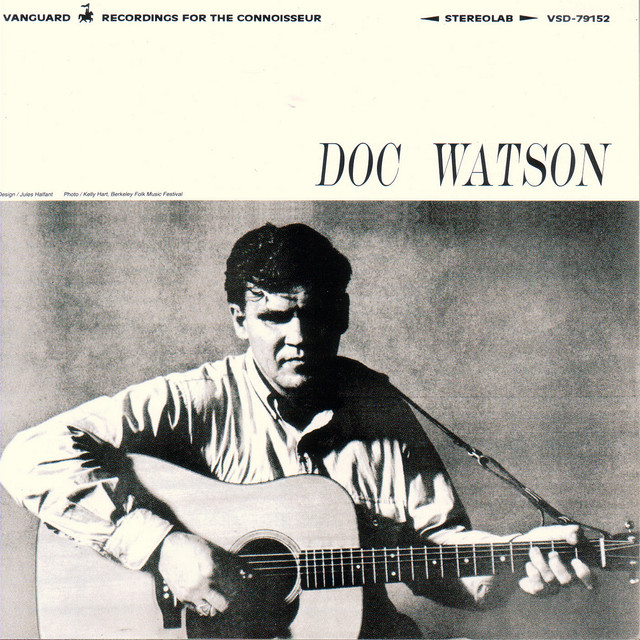
The Kingston Trio recorded it for their first Capitol album, released in February 1958; as a single it reached number one on the Billboard Hot 100 and sold more than six million copies, and it is often credited with starting the folk boom of the late 1950s and 1960s. The Library of Congress added the recording to the National Recording Registry in 2008. The Trio were later sued over their uncredited use of the song, and Proffitt was acknowledged by the courts as the preserver of the original version. Doc Watson recorded it as the closing track of his 1964 Vanguard debut album.