“What Would You Give in Exchange for Your Soul” is a gospel song credited to J. H. Carr and F. J. Barry. Its title question is taken from the Gospel of Matthew (16:26), which asks what a man shall give in exchange for his soul. The verses put that question to a “brother” who has drifted away from the Saviour and is staking his soul on things that will decay: if God called him away today, what would he give? Mercy is calling and the Saviour is still pleading, the song says, and the soul is worth more than all the silver, gold and jewels of the earth.
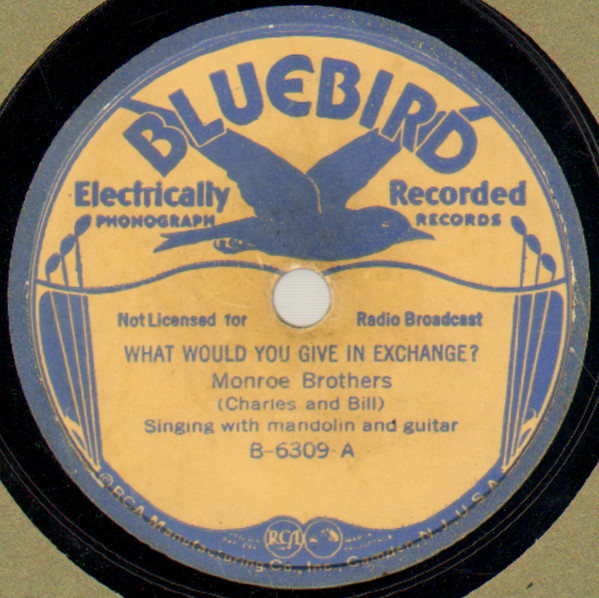
Charlie and Bill Monroe recorded it as the Monroe Brothers at their first session for RCA Victor’s Bluebird label, on 17 February 1936 in Charlotte, North Carolina, with Eli Oberstein producing. Charlie sang lead and played guitar; Bill sang tenor and played mandolin. Bluebird issued it that spring on B-6309, backed with “This World Is Not My Home” from the same session. The record was a hit, and the brothers went on to cut sixty sides for Bluebird before the last session in January 1938. They also came back to the song: on 3 August 1937, again in Charlotte, they recorded three further parts, issued as “What Would You Give in Exchange, Pt. 2” and “Pt. 3” on B-7122 and “Pt. 4” on B-7326.
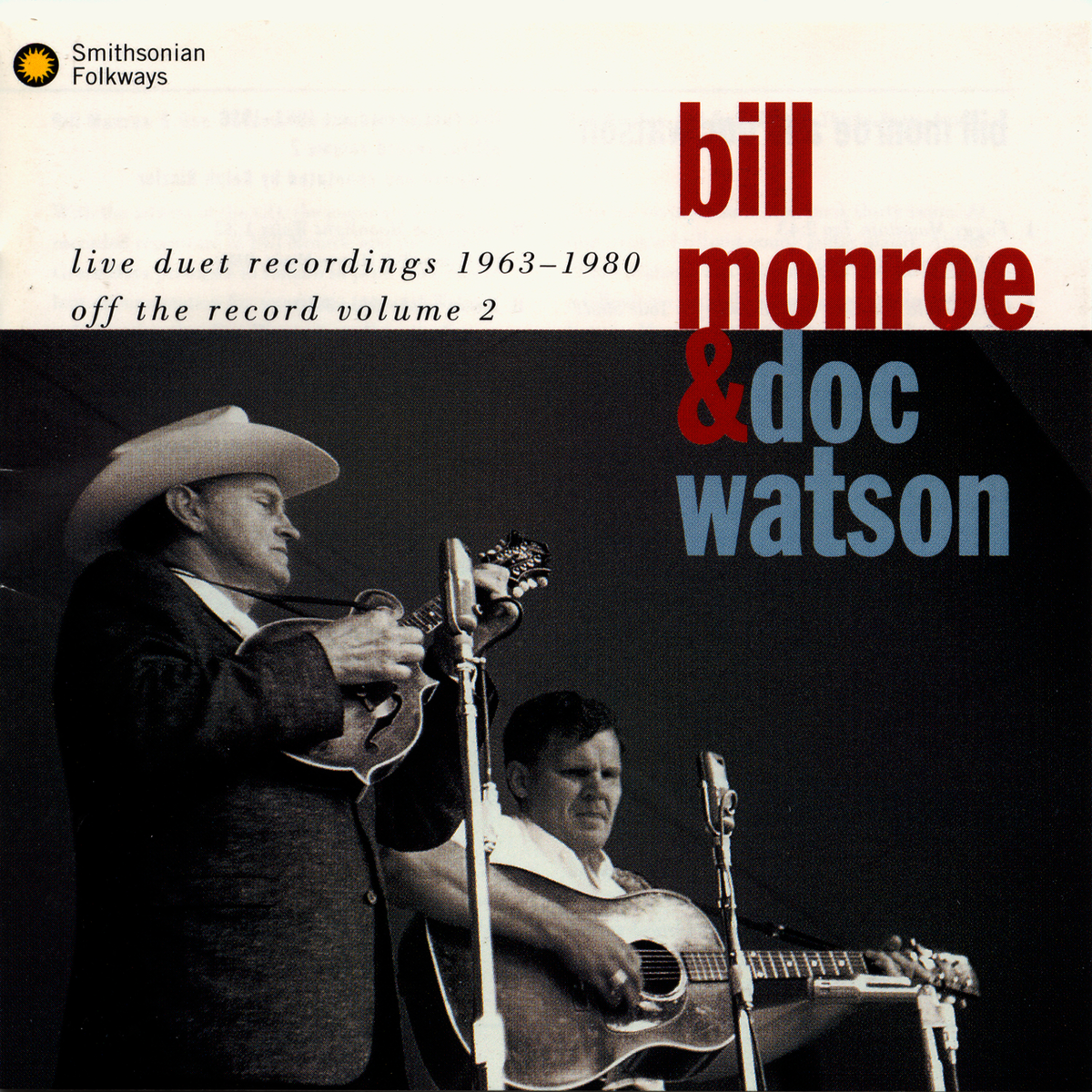
Bill Monroe kept it in his repertoire with the Blue Grass Boys; live tapes from 1961 and 1963 include it, and he sang it with Doc Watson in concert in the 1960s. On 15 March 1972, at Bradley’s Barn in Mount Juliet, Tennessee, he recorded it with his son James for their MCA album Father & Son, this time with James singing lead and Bill the tenor, as he had behind Charlie.
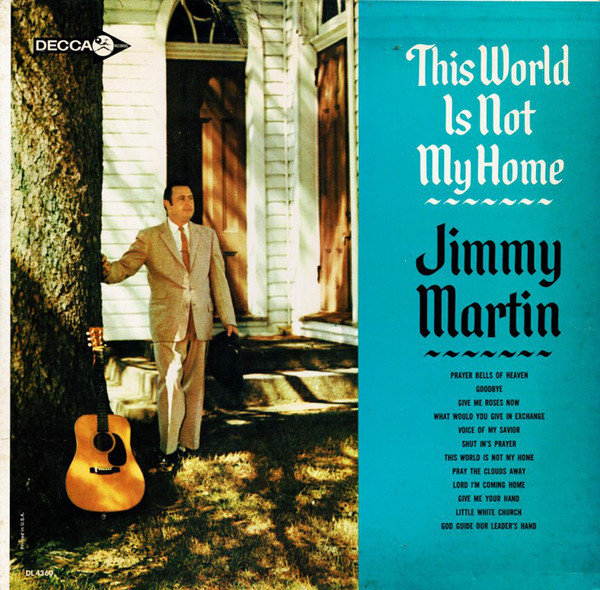
The Lilly Brothers and Don Stover recorded it for their 1962 Folkways LP Folk Songs from the Southern Mountains, and Jimmy Martin cut it at the Columbia studio in Nashville on 30 August 1962, with Paul Williams singing tenor and Bill Emerson on banjo, for the Decca album This World Is Not My Home (1963). The Stanley Brothers’ version came out on the 1967 Rimrock LP An Empty Mansion.