Bill Emerson
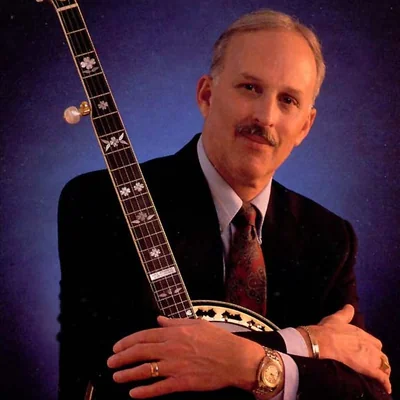
Bill Emerson (1938–2021), born in Washington, D.C., was a banjo player and harmony singer who was a founding member of the Country Gentlemen, played in Jimmy Martin’s Sunny Mountain Boys, and recorded with Cliff Waldron as Emerson and Waldron. He spent twenty years in the U.S. Navy, where he organized the Navy Band’s Country Current, and he was inducted into the International Bluegrass Music Hall of Fame in 2019.
He was born on 22 January 1938, and his family lived in northern Virginia before moving to the Maryland suburbs. As a teenager he heard Bill Monroe, Flatt and Scruggs, and Mac Wiseman on the radio, and he traded an electric guitar for a five-string banjo. John Duffey, another young musician from the Maryland suburbs, showed him the basics, and after three months of hard practice he entered a local banjo contest and won it.
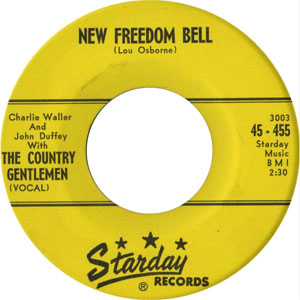
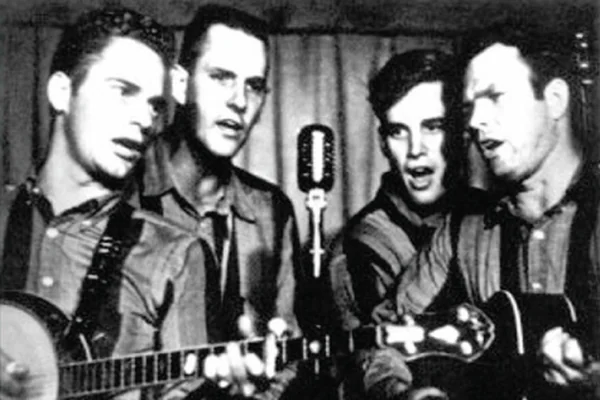
His first band job, in 1955, was with Uncle Bob Smith and the Blue Ridge Partners, who broadcast on Saturday mornings over WINX in Rockville, Maryland. He moved on to Roy and Curly Irvin’s father-and-son band, which had the fiddler Art Wooten, and in 1956 to Buzz Busby and the Bayou Boys, his first professional work, playing on Busby’s “Me and the Juke Box,” “Lost,” “Going Home” and “Lonesome Wind.” Then Busby and several of his band were unable to play, and Busby asked him to put a group together to hold their spot at a club in Bailey’s Crossroads, Virginia. He brought in Charlie Waller, John Duffey and the bass player Larry Lahey, and their first date, on 4 July 1957, was the start of the Country Gentlemen.
In about a year with the new band he sang baritone, played on its five-day-a-week radio show on WARL in Arlington, Virginia, and recorded nearly a dozen vocal songs and instrumentals, among them the debut single “Going to the Races” and “Heavenward Bound,” along with “Dixie,” “Backwoods Blues,” “High Lonesome” and “Hey Little Girl.” Afterward he played with Mac Wiseman and Bill Clifton, recorded with Bill Harrell and with Harry and Jeanie West, spent a year and a half with the Stoneman Family, and worked with Red Allen and the Yates Brothers. Contests still paid: he won $100 at the 1959 National Champion Country Music Contest in Warrenton, Virginia, and an Earl Scruggs model Vega banjo at Luray, Virginia, in 1960.
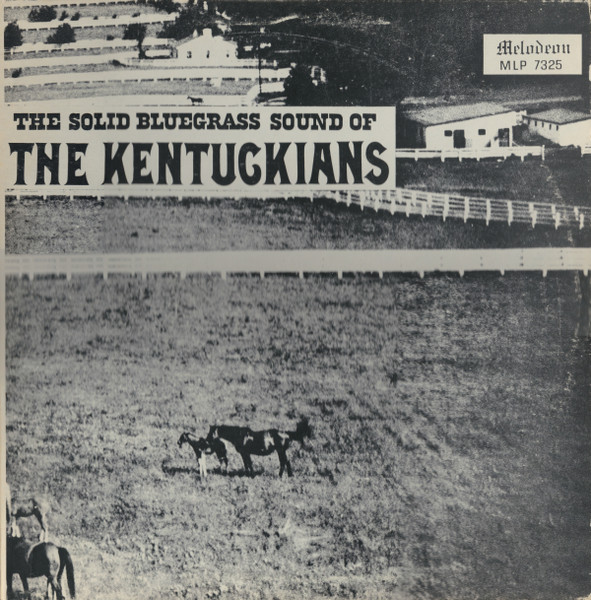
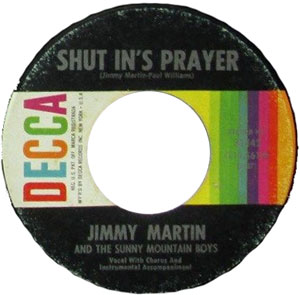
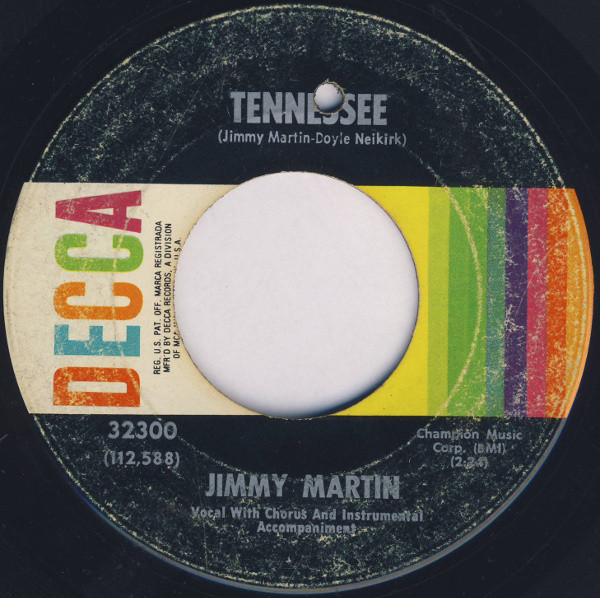
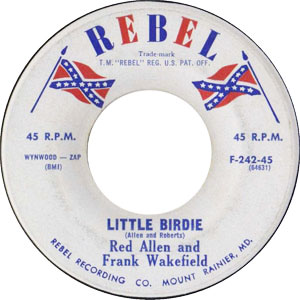
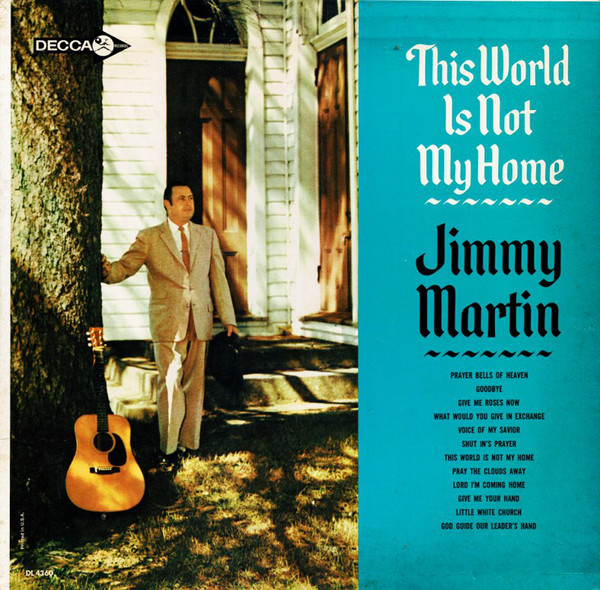
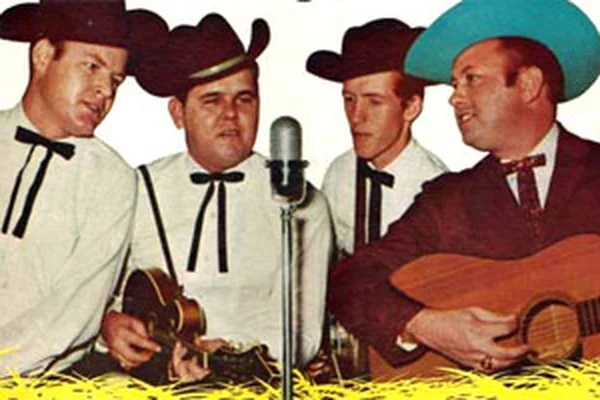
In the winter of 1961 he joined Jimmy Martin and the Sunny Mountain Boys, who guested on the Grand Ole Opry and the Louisiana Hayride, played two weeks at the Golden Nugget in Las Vegas, went out on a USO tour for troops, and were regulars on the World’s Original Jamboree from Wheeling, West Virginia. A three-day session in August 1962 yielded fifteen tracks, most of them issued on Martin’s gospel album This World Is Not My Home. After two years he went home to the Washington area and rejoined Red Allen and the Yates Brothers. In that period he played on twenty-five instrumentals issued on two budget albums, recorded for Rebel with the Red Allen and Frank Wakefield group, including a banjo-driven “Little Birdie,” and appeared on The Solid Bluegrass Sound of the Kentuckians.
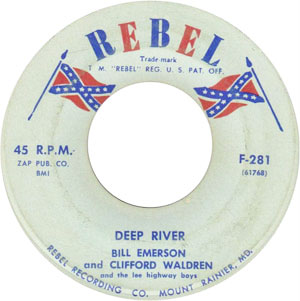
He went back to Martin in June 1965 and stayed until July 1966, recording instrumentals that included his own “Sweet Dixie” and “Theme Time,” written with Paul Williams and Martin. He credited Martin with showing him how to put emphasis, rhythm and dynamics into his playing and singing. Returning once more to the Yates Brothers, whose band by then included the West Virginia singer Cliff Waldron, he formed the partnership that became Emerson and Waldron and the New Shades of Grass. Their three Rebel albums reached outside bluegrass for material such as “If I Were a Carpenter,” “Proud Mary” and “Fox on the Run.”
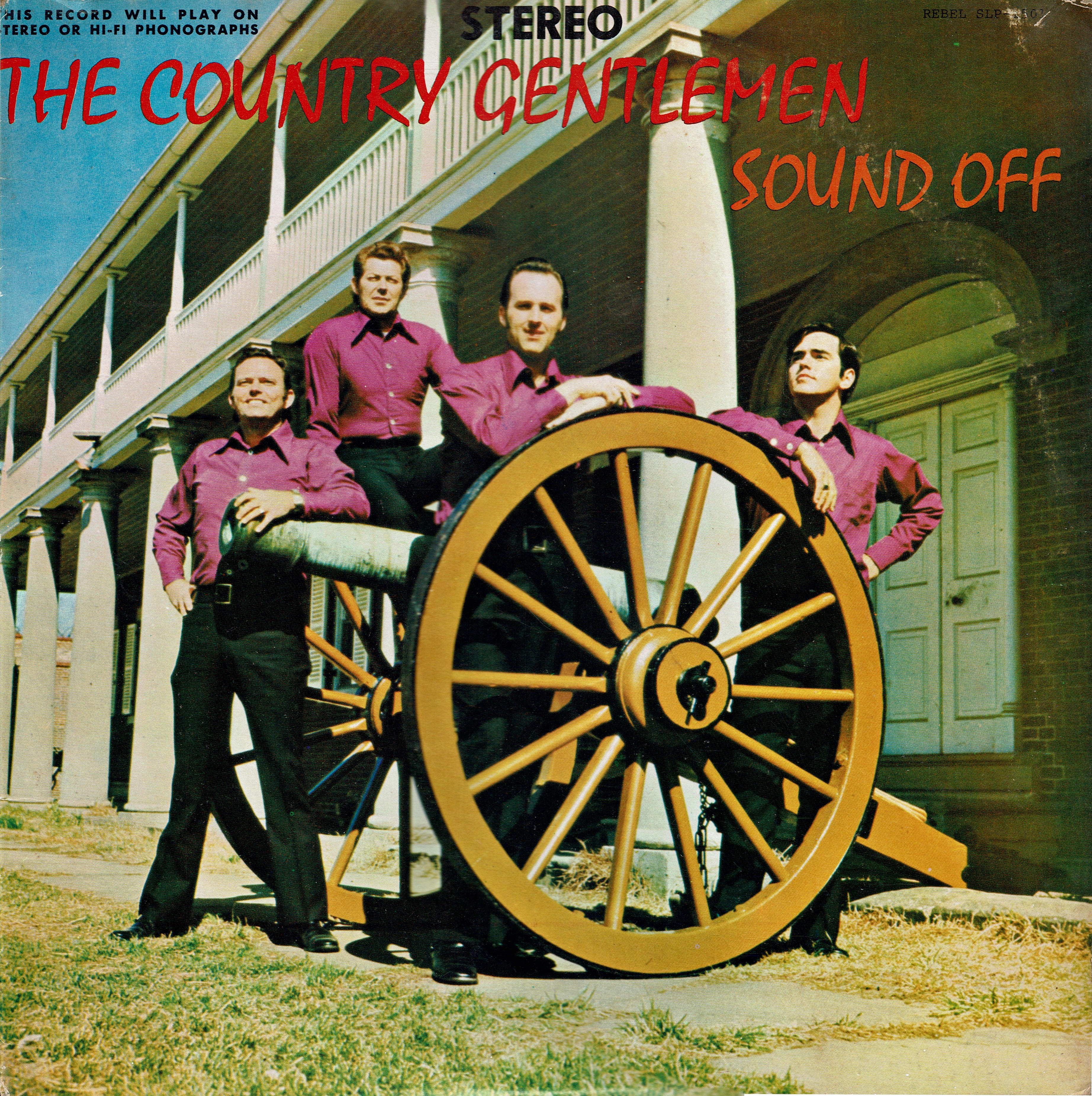
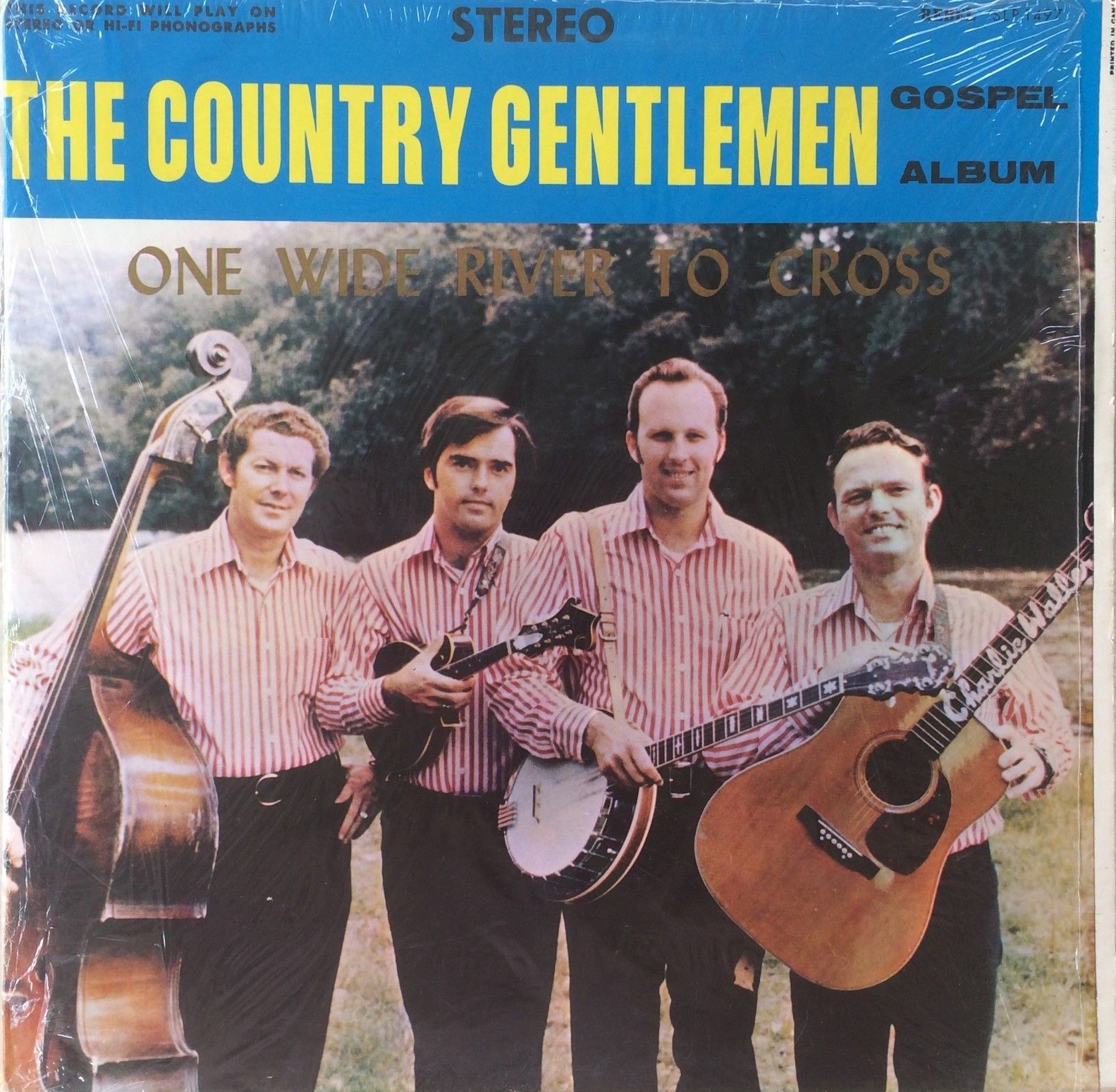
Late in 1969 he rejoined the Country Gentlemen, with Charlie Waller, Jimmy Gaudreau and Bill Yates. That lineup recorded One Wide River to Cross and Sound Off for Rebel, both released in 1971, the second with “Fox on the Run.” Doyle Lawson replaced Gaudreau in 1971, and the band went on to make The Award Winning Country Gentlemen for Rebel, with “The Legend of the Rebel Soldier,” before touring Japan, making a live double album there and signing with Vanguard.
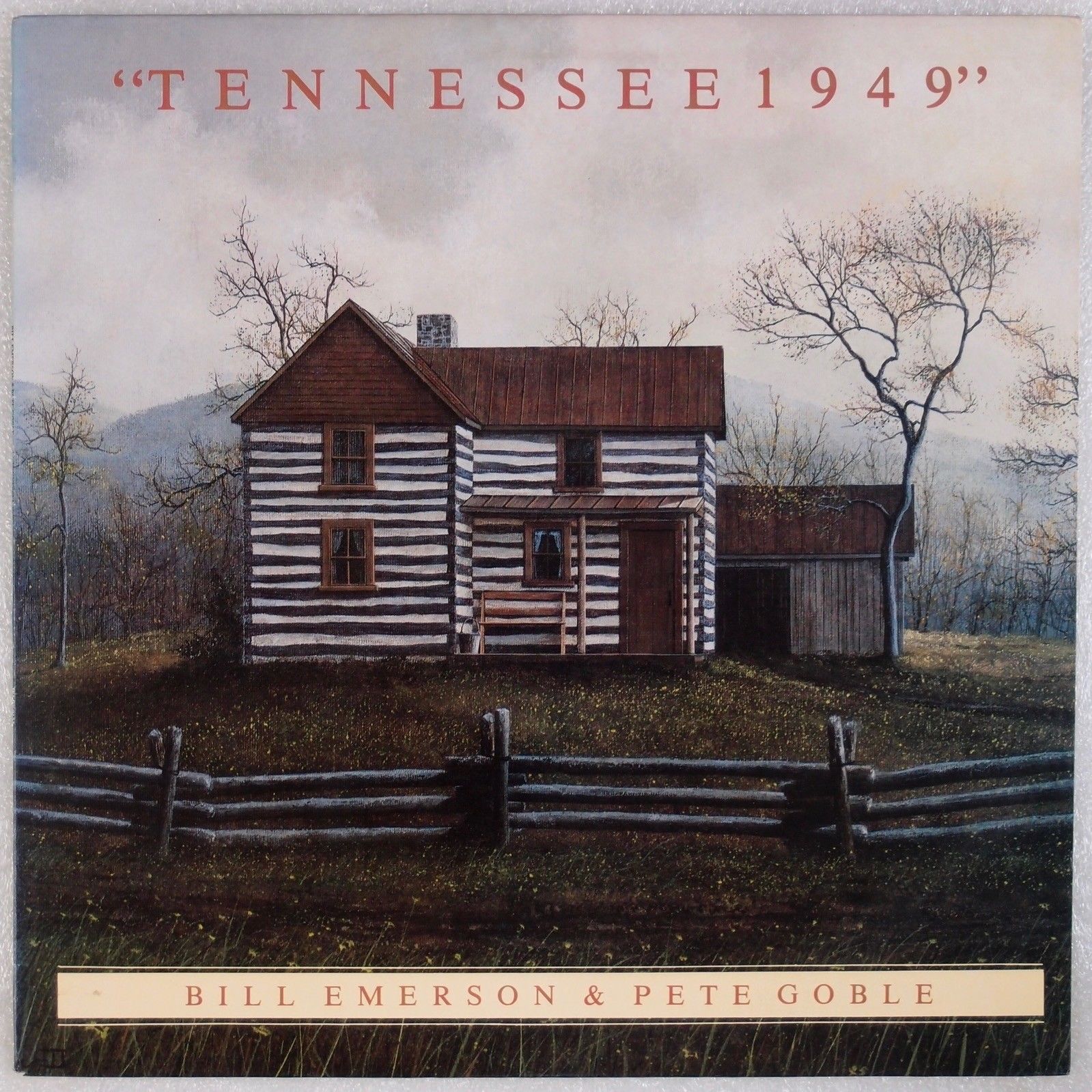
After the Country Gentlemen played Ralph Stanley’s Memorial Day festival in 1973, Emerson enlisted in the Navy for twenty years. His assignment was Country Current, the first military band devoted to country and bluegrass music, a recruiting group with steel and electric guitar, drums and electric bass that played about 200 dates a year and later added a bluegrass component for festivals and IBMA events. While in uniform he guested on projects released mainly on Webco, including Jim Eanes’s Shenandoah Grass and two duet albums with the songwriter Pete Goble, and made the Rebel solo albums Home of the Red Fox and Gold Plated Banjo. He entered the Virginia Country Music Hall of Fame in 1984, and in 1989 he and his son John bought Webco Records, which they sold to Pinecastle in 1994.
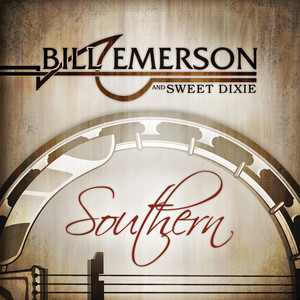
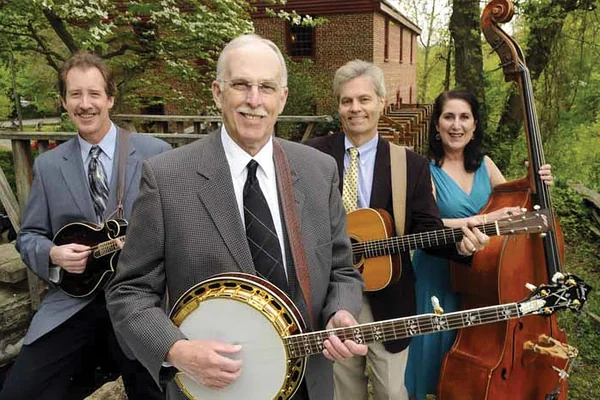
He retired from the Navy in 1993 as a master chief petty officer. Reunion followed, with Tony Rice, Pete Goble, Bill Harrell, Jimmy Martin, Red Allen, Charlie Waller and Cliff Waldron, along with Banjo Man and other discs, and in 2007 he started Bill Emerson and Sweet Dixie, which recorded for Rebel and later for Rural Rhythm. BMI lists 76 of his compositions and arrangements, among them “Banjo Whiz,” “Cowboys and Indians,” “Home of the Red Fox,” “Sweet Dixie,” “Theme Time” and “Welcome to New York.” He was inducted into the International Bluegrass Music Hall of Fame in 2019, and he died on 21 August 2021, aged 83.
These are the recordings in our catalog that credit Bill Emerson. We add more all the time.










-
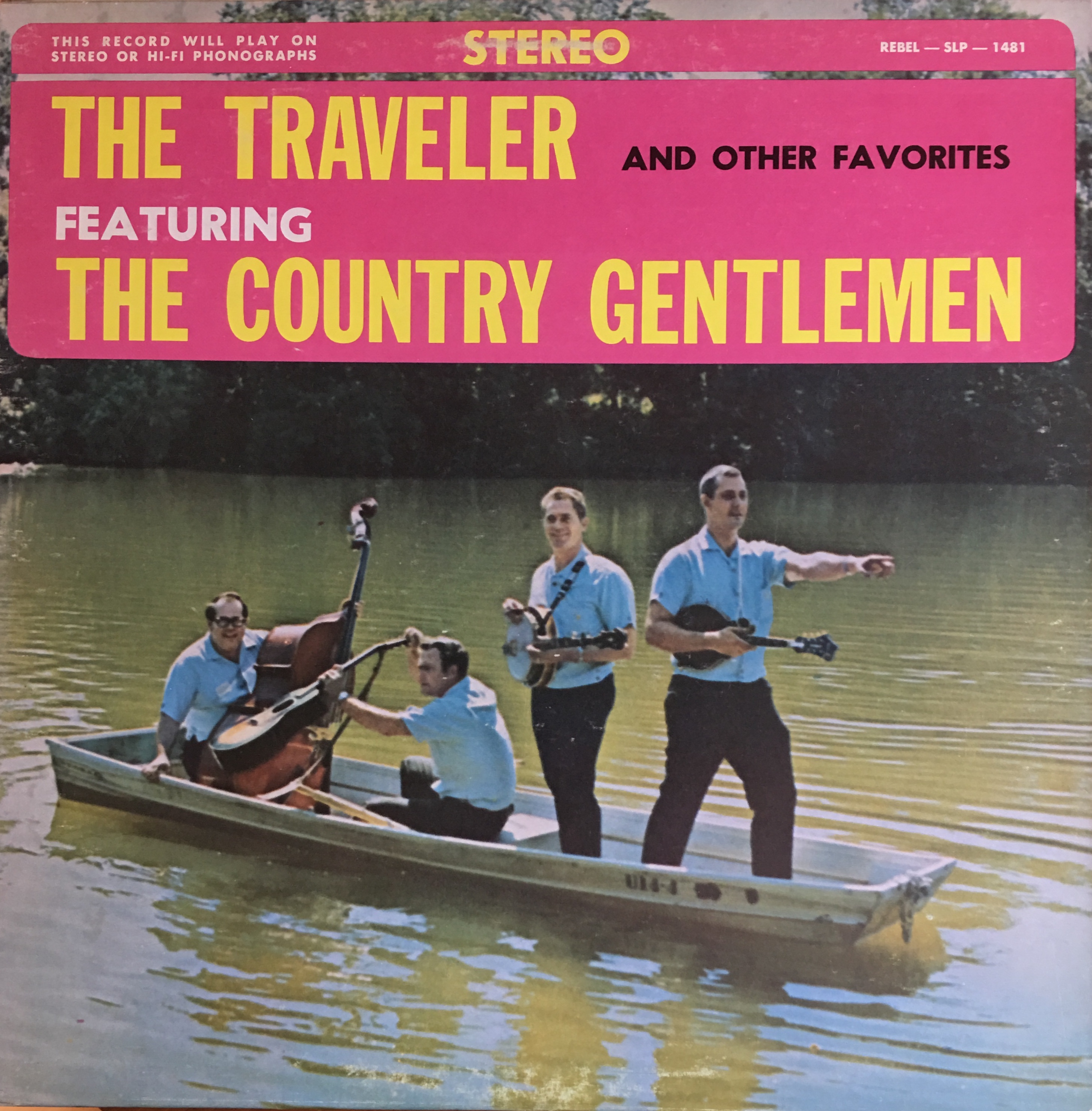
 The Country GentlemenPlayed on with The Country Gentlemen
-
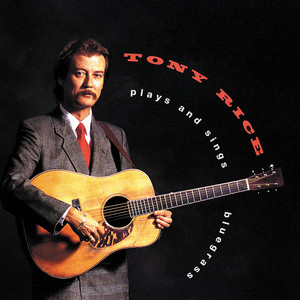
 Tony RicePlayed on with Tony Rice
-
 Del McCouryPlayed on with Del McCoury
-
 Jimmy Martin and the Sunny Mountain BoysPlayed on with Jimmy Martin and the Sunny Mountain Boys
-
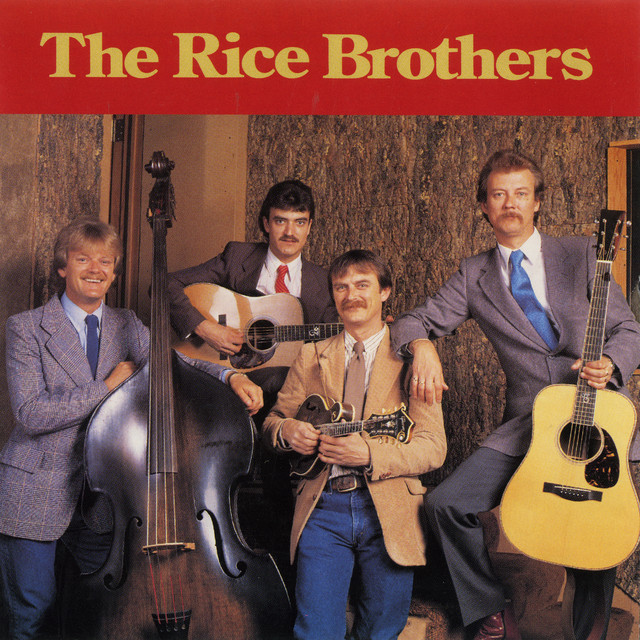
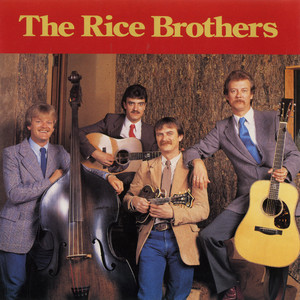
 The Rice BrothersPlayed on with The Rice Brothers
-
 Bill EmersonPlayed on with Bill Emerson
-
 Bill Emerson and Sweet DixiePlayed on with Bill Emerson and Sweet Dixie
-
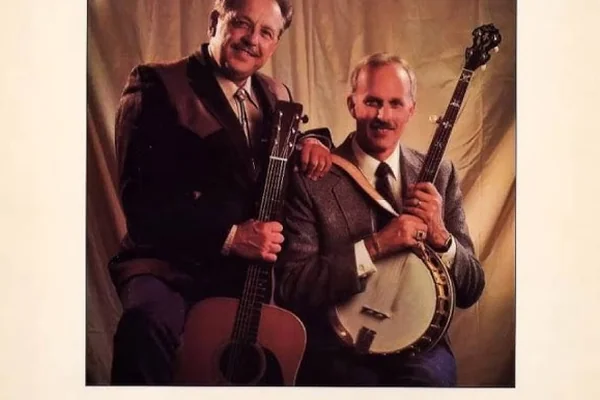 Bill Emerson and Pete GoblePlayed on with Bill Emerson and Pete Goble
-
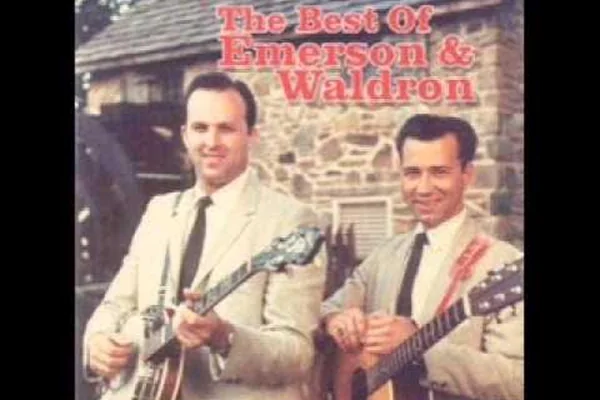 Emerson and WaldronPlayed on with Emerson and Waldron
-
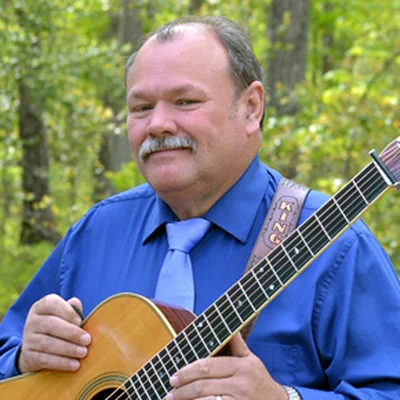 James KingPlayed on with James King
-
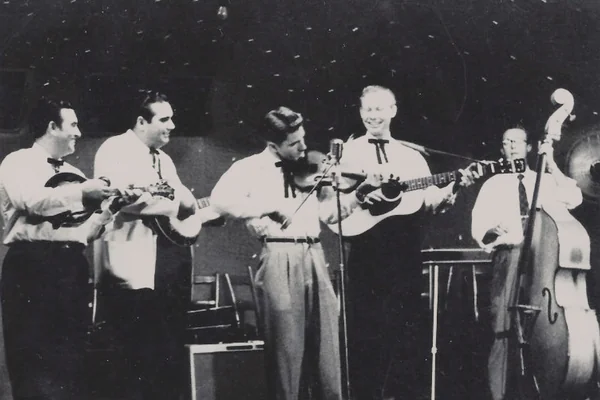 Red Allen and the KentuckiansPlayed on with Red Allen and the Kentuckians
-
Bill Emerson, Cliff Waldron and the Lee Highway BoysPlayed on with Bill Emerson, Cliff Waldron and the Lee Highway Boys
-
 Larry StephensonPlayed on with Larry Stephenson
-
 Red Allen and Frank WakefieldPlayed on with Red Allen and Frank Wakefield