
Musicians
- Ralph Stanley — Lead Vocals, Banjo
- Carter Stanley — Guitar
- William "Curley" Lambert — Mandolin
- Art Stamper — Fiddle
- George Shuffler — Bass
By:Traditional · Source Recording: Alison Krauss and Union Station (1989)Song details
As I went out for to take a little walk
I came upon that Wild Bill Jones
He was a walking and a talking by my true lover's side
And I bid him to leave her alone
He said my age is twenty-one
Too old to be controlled
I pulled my revolver from my side
And I destroyed that poor boy's soul
He reeled and he staggered and he fell to the ground
And then he gave one dying moan
He wrapped his arms around my little girl's neck
Saying honey won't you take me home
So put them handcuffs on me boys
And lead me to that freight car gate
I have no friends or relations there
No one for to go my bail
So pass around that old long necked bottle
And we'll all go on a spree
Today saw the last of the Wild Bill Jones
And tomorrow'll be the last of me
That’s your free listen. With an account the band keeps going — this song and every other one, as many times through as you like, in any key, at any tempo. Free for 14 days, no card.
Start my free 14 daysClicks before the band comes in, so you start together.
Raises the tempo as the band goes round, so you build up speed.
The band goes quiet for a bar or two and you keep the time going.
“Wild Bill Jones” is an American ballad of unknown authorship. G. Malcolm Laws listed it as E10 in Native American Balladry, and it is number 2246 in the Roud Folk Song Index.
The singer, out for a walk, comes on Wild Bill Jones beside his sweetheart and tells him to leave her alone. Bill answers that at twenty-one he is too old to take orders, so the singer draws his revolver and shoots him. Dying, Bill throws his arms around the girl and asks her to take him home. The killer then tells the officers to put the handcuffs on him and says he has no friends or family to pay his bail. He calls for a bottle to be passed around: Bill has seen his last day, and the killer expects his own to follow.
Cecil Sharp and Maud Karpeles printed a version they had taken down from Mrs. Viney Norton on 16 August 1916 in English Folk Songs from the Southern Appalachians. Eva Davis recorded it for Columbia in April 1924, at the session she shared with Samantha Bumgarner. Wade Mainer recorded it on 2 August 1937, with Zeke Morris on guitar. The folklorist Louis Watson Chappell recorded Kate Toney singing it unaccompanied in Logan County, West Virginia, on 9 August 1940. During the folk revival, J. E. Mainer’s Mountaineers cut it for Arhoolie at Concord, North Carolina, in April 1963, and Dock Boggs recorded it for Folkways on 14 December 1963.
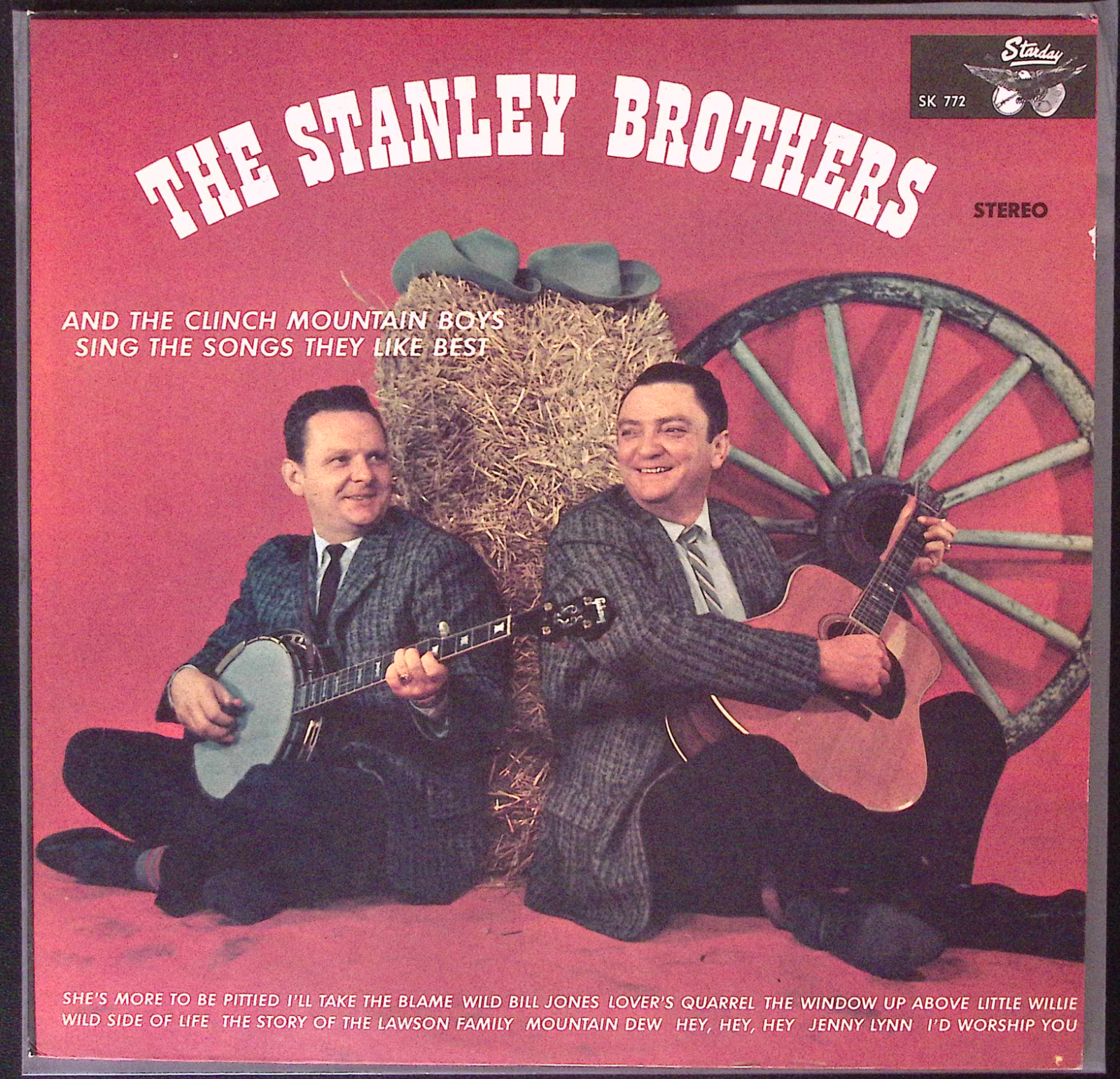
The Stanley Brothers recorded it at the King studio in Cincinnati on 15 January 1961. Ralph Stanley sang lead and played banjo, with Carter Stanley on guitar, Curley Lambert on mandolin, Art Stamper on fiddle and George Shuffler on bass. It came out that November on Sing the Songs They Like Best. The Kentucky Colonels, with Clarence White on guitar and Roland White on mandolin, played it as an instrumental on Appalachian Swing! (World Pacific, 1964).
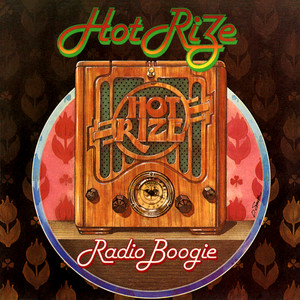
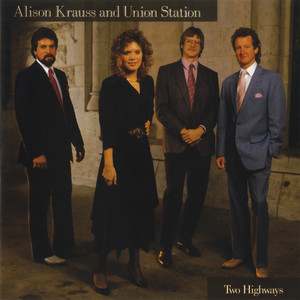
Doc and Merle Watson played it at the Great American Music Hall in San Francisco on 11 October 1978, and the performance came out on Live & Pickin’ (United Artists, 1979). Hot Rize included it on Radio Boogie (Flying Fish, 1981), with Tim O’Brien singing lead and Pete Wernick and Nick Forster on harmony. On Alison Krauss and Union Station’s Two Highways (Rounder, 1989), Jeff White sang lead, with Krauss singing tenor and playing fiddle.
Reader notes on this song — corrections, sources, version lore, open questions. Contributions are public and signed.
No notes yet.
Sign in to add a note — free account.
Please choose a song.
Clicks before the band comes in, so you start together.
Raises the tempo as the band goes round, so you build up speed.
The band goes quiet for a bar or two and you keep the time going.
Loading chord chart…
Every song and every practice tool, free for 14 days. No card, nothing to cancel. Already have an account? Log in

Free for 14 days. No card needed.
Create an account and the whole thing is yours free for 14 days — every song in the catalog, every practice tool. No card needed.
Everything free for 14 days


Plus every chart in any key, playlists and printing.
Start my free 14 daysNo card, nothing to cancel.