
New Grass Revival
New Grass Revival was the band that grew out of the Bluegrass Alliance in Louisville, Kentucky, in 1971 and gave rise to the movement called newgrass, reworking bluegrass forms with a sensibility drawn as much from rock as from Bill Monroe and a repertoire that took in rock, jazz, country and reggae. Sam Bush led it throughout, with John Cowan on bass and vocals from the mid-1970s; the later lineup with Béla Fleck and Pat Flynn recorded for Sugar Hill and Capitol and reached the country charts. The band was inducted into the Bluegrass Music Hall of Fame in 2020.
The Bluegrass Alliance had begun with Dan Crary, Danny Jones, Harry Shelor Jr. (known as Ebo Walker) and Buddy Spurlock, and by 1971 its members included Walker, the young mandolin and fiddle player Sam Bush, the banjo player Courtney Johnson and the guitarist and Dobro player Curtis Burch. The fiddler Lonnie Peerce, who led the group and owned its name, parted ways with them in 1971 and kept the name, and the four who were left became New Grass Revival. Bush later said the name signalled their wish to build on the innovations of the Country Gentlemen, the Osborne Brothers and the Dillards. With long hair and no dress code they looked nothing like the bluegrass bands of the day, but they quickly won younger festival audiences, and in August 1972 and July 1973 Birch Monroe hired them for Bean Blossom despite his brother Bill’s objections. Their first album, New Grass Revival, came out on Starday early in 1973, with a seven-minute “Lonesome Fiddle Blues”; at least one bluegrass mail-order house declined to review it.
Walker left in 1973. Butch Robins filled in briefly on bass, and then John Cowan, an electric bassist with no bluegrass background, joined and became the band’s lead singer, with a high tenor as well. In 1975 the band first played the Telluride Bluegrass Festival. Signing with Flying Fish, it made Fly Through the Country, followed by When the Storm Is Over and Too Late to Turn Back Now (both 1977) and Barren County (1979), playing clubs and festivals across the country; in 1978 the band worked forty-two weeks. From 1979 it spent two years touring with Leon Russell, opening his shows and backing him, and played on his The Live Album, recorded at Perkins Palace in Pasadena in 1980; the tour also took it to Australia and New Zealand.
Commonwealth (Flying Fish, 1982) was the last album with Burch and Johnson. Their places went to the guitarist and singer Pat Flynn and the banjo player Béla Fleck, and the new quartet of Bush, Cowan, Flynn and Fleck signed a management deal with Jim Halsey. In 1983 they appeared on TNN’s Fire on the Mountain and at the Toulouse Bluegrass Festival in France, and in December 1984 Sugar Hill released On the Boulevard. In 1985 they played Austin City Limits and Wolf Trap.
A contract with EMI/Capitol produced three albums. New Grass Revival (1986) put “Ain’t That Peculiar” and “What You Do to Me” on Billboard’s country singles chart. In 1987 the band toured Morocco, Egypt, Nepal, India and Bangladesh for the U.S. Information Agency, played the International Country Music Festival at Wembley, A Prairie Home Companion and the Newport Folk Festival, and released Hold to a Dream, whose “Unconditional Love” and “Can’t Stop Now” reached Nos. 49 and 45. Friday Night in America (1989) brought “Callin’ Baton Rouge,” the band’s highest-charting single at No. 37, and “You Plant Your Fields,” with videos for “Can’t Stop Now” and “Callin’ Baton Rouge” in heavy rotation on CMT. One of the band’s last recordings was “Don’t You Hear Jerusalem Mourn” for the Nitty Gritty Dirt Band’s Will the Circle Be Unbroken: Volume Two, the CMA’s Album of the Year for 1989, and the band went on the tour that followed it.
At the end of 1989 New Grass Revival announced that it was putting its career on hold, and it played its last show on New Year’s Eve. Bush went on to Emmylou Harris’s Nash Ramblers and his own band, and Fleck to the Flecktones. In 1993 the four reunited in the studio to back Garth Brooks on his recording of “Callin’ Baton Rouge,” which reached No. 2, and in 2000 Brooks took their “Do What You Gotta Do” to No. 13. BMI credits the band’s members with 678 compositions, co-compositions and arrangements. The IBMA inducted New Grass Revival into the Bluegrass Music Hall of Fame in 2020, and Bush, whom the Kentucky legislature named the “Father of Newgrass” in 2010, followed on his own in 2023.


-
Live in Illinois 19782015 · Hotspur 1022
-
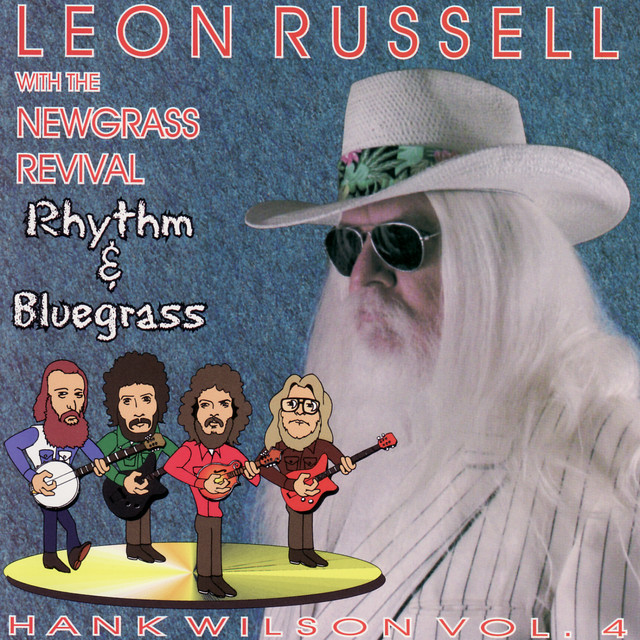 Rhythm & Bluegrass (Hank Wilson, Vol. 4)2001 · Leon Russell Records
-
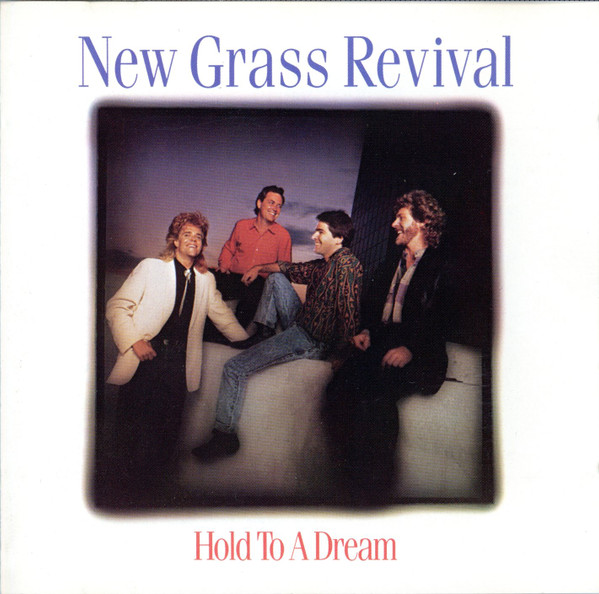 Hold to a Dream1987 · Capitol CLT 46962
-
On The Boulevard1984 · Sugar Hill SH-CD 3745
-
Commonwealth1981 · Flying Fish FF 254
-
When the Storm is Over1977 · Flying Fish FF 032
-
Fly Through the Country1975 · Flying Fish FF 016
-
New Grass Revival1973 · Starday SLP 482-498
-
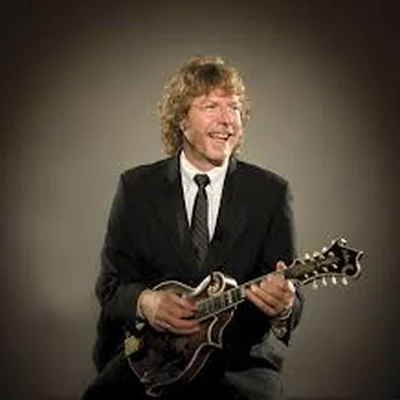 Sam BushPlayed on with New Grass Revival
-
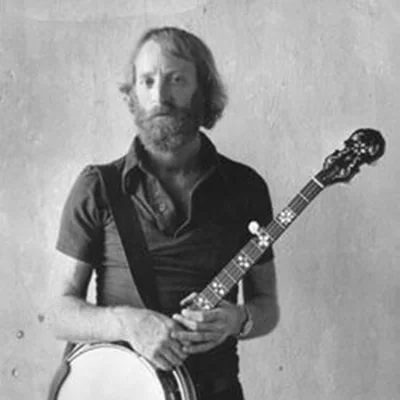 Courtney JohnsonPlayed on with New Grass Revival
-
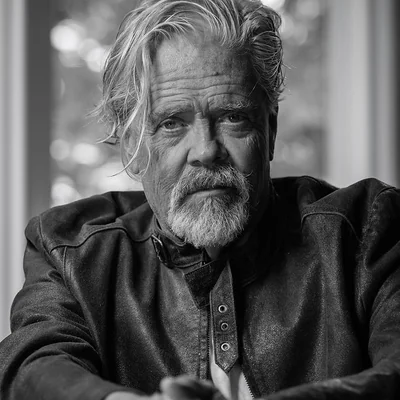 John CowanPlayed on with New Grass Revival
-
Curtis BurchPlayed on with New Grass Revival
-
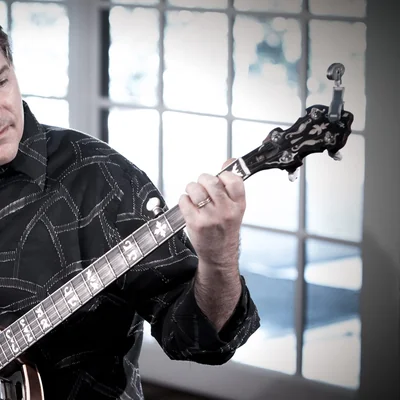 Bela FleckPlayed on with New Grass Revival
-
Pat FlynnPlayed on with New Grass Revival
-
Ebo WalkerPlayed on with New Grass Revival
-
Eddie BayersPlayed on with New Grass Revival
-
Leon RussellPlayed on with New Grass Revival
-
Tom RoadyPlayed on with New Grass Revival



