Bob Dylan
Bob Dylan is a songwriter, singer, guitarist and harmonica player who came out of the Greenwich Village folk scene in 1961 and was awarded the Nobel Prize in Literature in 2016. He is not a bluegrass musician, but his songs were taken up by Flatt & Scruggs, the Country Gentlemen and later bluegrass bands, he recorded in Nashville with the city’s session players from 1966, and he made music with Earl Scruggs in 1970 and with Ralph Stanley in 1997.
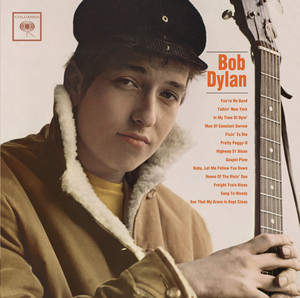
He was born Robert Allen Zimmerman in Duluth, Minnesota, on 24 May 1941, and grew up in Hibbing, where he played in bands while still at school. American folk music and blues became his passion, and Woody Guthrie his idol. In January 1961 he went to New York, and from February he was playing the clubs of Greenwich Village, picking up material from Dave Van Ronk, Odetta, the New Lost City Ramblers, the Clancy Brothers and others. In September 1961 he was the opening act at Gerde’s Folk City for the Greenbriar Boys, the New York bluegrass band, when Robert Shelton of the New York Times reviewed him under the headline “Bob Dylan: A Distinctive Folk-Song Stylist.” John Hammond signed him to Columbia, and his first album, Bob Dylan (March 1962), was mostly traditional folk, blues and gospel material, “Pretty Peggy-O” among it.
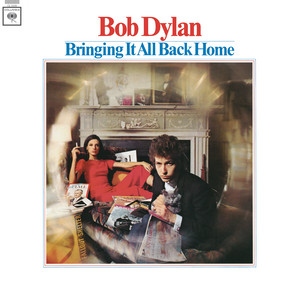
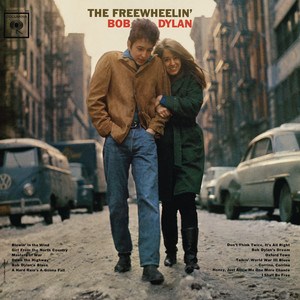
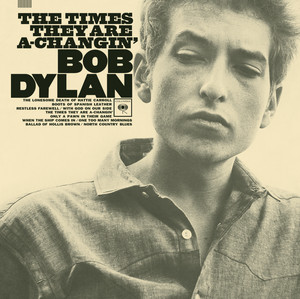
His own songs followed quickly, on The Freewheelin’ Bob Dylan (1963), with “Blowin’ in the Wind” and “Don’t Think Twice, It’s All Right,” and The Times They Are A-Changin’ (1964), with its title song, “North Country Blues” and “Boots of Spanish Leather.” Bringing It All Back Home and Highway 61 Revisited (both 1965) and Blonde on Blonde (1966) took him into rock. Blonde on Blonde was finished at Columbia’s Studio A in Nashville in early 1966, where the producer Bob Johnston brought in Charlie McCoy, Wayne Moss, Joe South and Kenny Buttrey. After a motorcycle accident that year Dylan stopped touring, and the songs he recorded with members of the Band were later issued as The Basement Tapes (1975).
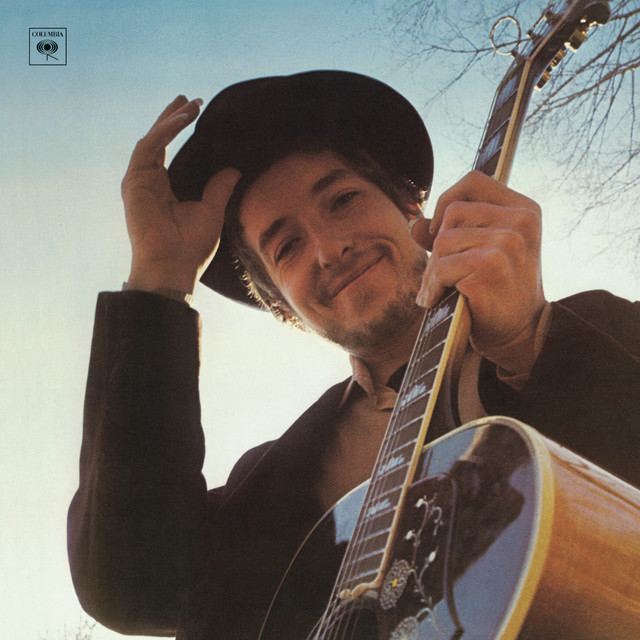
His next records turned to country music and rural themes. John Wesley Harding was cut in the fall of 1967 with only McCoy and Buttrey behind him, and in February 1969 he went back to Columbia Studio A for Nashville Skyline, which carries a duet with Johnny Cash on “Girl from the North Country” and Cash’s liner notes; Norman Blake was among the players. The album influenced the young country rock movement. Its instrumental “Nashville Skyline Rag” passed straight into the banjo repertoire: Earl Scruggs cut it as a single at the turn of 1970, and Flatt & Scruggs put it on Final Fling (1969).
Bob Johnston had also taken over Flatt & Scruggs’s Columbia sessions, and between 1967 and 1969 the pair recorded more than a dozen Dylan songs. Changin’ Times (January 1968), with McCoy on harmonica, has “Mr. Tambourine Man,” “Don’t Think Twice,” “Blowin’ in the Wind,” “It Ain’t Me Babe” and “Down in the Flood”; Nashville Airplane (December 1968) has “Like a Rolling Stone,” “I’ll Be Your Baby Tonight,” “Rainy Day Women #12 & 35” and “The Times They Are A-Changin’”; and Final Fling has “Maggie’s Farm,” “Girl from the North Country” and “One Too Many Mornings.” Lester Flatt’s unease with that material was part of what ended the partnership early in 1969. The Country Gentlemen took up Dylan songs as well.
On 17 May 1970, at the home of Thomas B. Allen in Carmel, New York, Dylan played with Earl Scruggs and his sons Randy and Gary for the public-television special Earl Scruggs: His Family and Friends, first broadcast in January 1971. They played “East Virginia Blues,” “To Be Alone with You,” “Honey, Just Allow Me One More Chance” and “Nashville Skyline Rag,” and the last of these appeared on Scruggs’s album Earl Scruggs Performing with His Family and Friends (1971). The Carmel recordings, the Cash sessions of 17 and 18 February 1969 and outtakes from the two Nashville albums were collected on Travelin’ Thru, 1967–1969: The Bootleg Series Vol. 15 (November 2019).
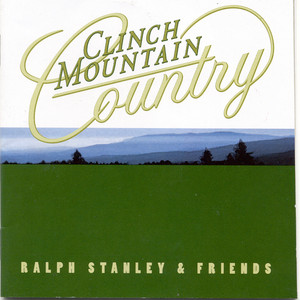
Dylan’s later albums include Blood on the Tracks (1975), Oh Mercy (1989), Time Out of Mind (1997), which won the Grammy for Album of the Year, and Modern Times (2006), and from the late 1980s he toured almost without a break. On 30 November 1997 he sang “The Lonesome River” with Ralph Stanley for Clinch Mountain Country (Rebel, 1998); he had been the first guest to agree to the project, which the IBMA named Album of the Year and Recorded Event of the Year in 1999. Bluegrass musicians kept returning to his catalog: Tim O’Brien set Dylan songs in a bluegrass frame on Red on Blonde (1996), and Ketch Secor of Old Crow Medicine Show built “Wagon Wheel” on the chorus of an unreleased Dylan outtake, “Rock Me, Mama”; the two signed a co-writing agreement in 2003, and the band’s recording has been certified double platinum. Old Crow also finished “Sweet Amarillo” with Dylan and re-created Blonde on Blonde on stage in 2016.
- 1997: Kennedy Center Honors; Grammy, Album of the Year (Time Out of Mind)
- 2008: Pulitzer Prize special citation
- 2012: Presidential Medal of Freedom
- 2016: Nobel Prize in Literature, “for having created new poetic expressions within the great American song tradition”
- Inducted into the Rock and Roll Hall of Fame and the Songwriters Hall of Fame
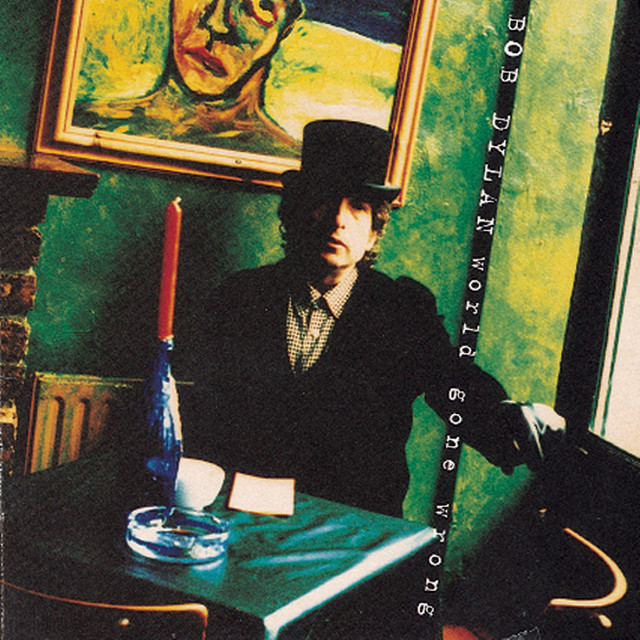
These are the recordings in our catalog that credit Bob Dylan. We add more all the time.
-
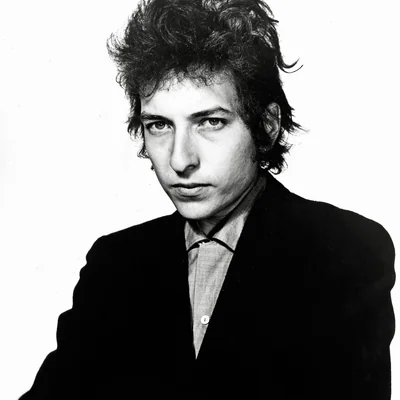 Bob DylanPlayed on with Bob Dylan
-
 Nanci GriffithPlayed on with Nanci Griffith
-
 Ralph Stanley and FriendsPlayed on with Ralph Stanley and Friends