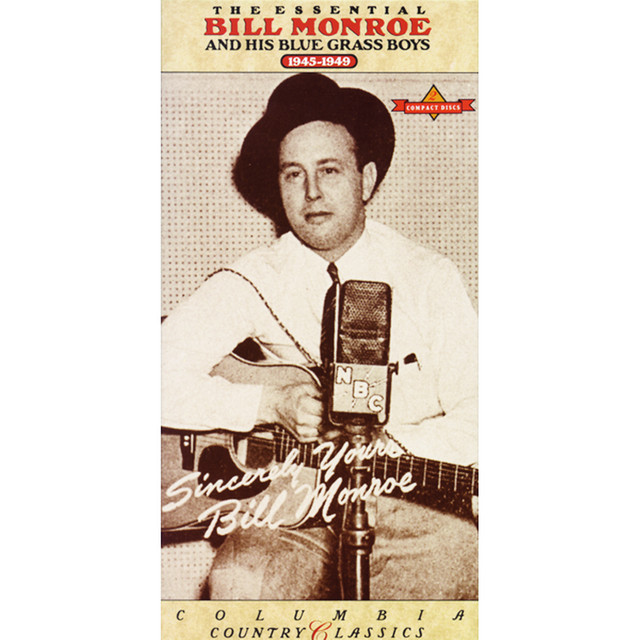
Bill Monroe wrote “Can’t You Hear Me Callin’” and recorded it on 22 October 1949 at Castle Studio in the Tulane Hotel in Nashville, with Art Satherley producing. It was his last session for Columbia; that year he signed with Decca, and his next sessions, from February 1950, were for the new label. Monroe did not sing the lead. Mac Wiseman, who had come to the Blue Grass Boys after playing guitar in Lester Flatt and Earl Scruggs’s first Foggy Mountain Boys, sang it and played guitar, with Monroe singing tenor and playing mandolin, Rudy Lyle on banjo, Chubby Wise on fiddle and Jack Thompson on bass. Columbia released it on 13 March 1950 on 20676, backed with “Travellin’ This Lonesome Road” from the same session, and later included it on the Harmony LP The Great Bill Monroe (1960).
The song is a plea to a sweetheart who has gone. The days are long and the nights lonely since she left; the singer admits he mistreated her, says he is sorry, and blames the night they parted on a big mistake of his own. The chorus calls to her, asking whether she can hear him and begging her to come back. If she returns, he promises, sunshine will follow, and the last verse ends with him waking in sunlight to see her face.
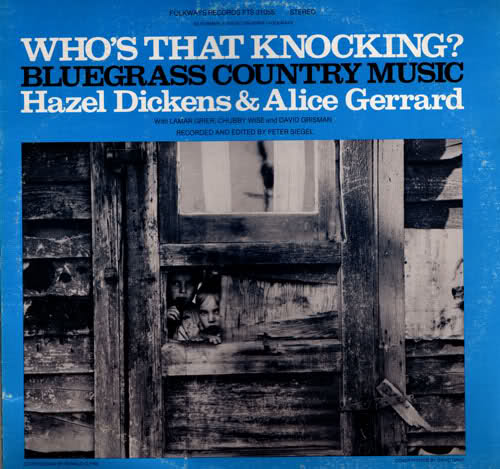
The Country Gentlemen recorded it on 27 September 1963 at Wynwood Studios in Falls Church, Virginia, with Charlie Waller singing lead, John Duffey tenor and Eddie Adcock baritone, for Folk Session Inside (Mercury, December 1963); Rebel later used the title for a 2003 CD of the group’s 1960s recordings. In 1965 Hazel Dickens and Alice Foster (later Alice Gerrard) cut it for Who’s That Knocking? (Verve/Folkways), Foster singing lead and Dickens tenor, with Chubby Wise, the fiddler on the 1949 record, in their band. Herb Pedersen recorded it in Hollywood for Southwest (Epic, 1976), with Ray Park on fiddle and Josh Graves on dobro, and Ricky Skaggs put it on Highways & Heartaches (Epic, 1982). Monroe came back to it on 10 June 1985 in Nashville, singing it with Ralph Stanley for Bill Monroe and Stars of the Bluegrass Hall of Fame (MCA, 1985). Del McCoury sang it for Sugar Hill’s tribute True Life Blues: The Songs of Bill Monroe (1996).