“Cryin’ Holy Unto the Lord,” also known as “On the Rock Where Moses Stood,” is a traditional song. The earliest commercial recording I could document is by the Norfolk Jubilee Quartet, made in New York around July 1924 and issued that August on Paramount 12217 as “Crying Holy Unto the Lord,” the flip side of “Ezekiel Saw de Wheel.”
The Carter Family recorded it as “On the Rock Where Moses Stood” in Memphis on 24 November 1930, and Victor issued it in 1931 (23513), coupled with “Darling Nellie Across the Sea.” Roy Hall and His Blue Ridge Entertainers cut a version titled “Crying Holy” at a session in Columbia, South Carolina, on 7 November 1938, but it was not issued. Bill Monroe recorded “Cryin’ Holy Unto the Lord” on 7 October 1940 at the Kimball Hotel in Atlanta, with Clyde Moody on guitar, Tommy Magness on fiddle and Bill Wesbrooks on bass, in a quartet with Monroe singing lead, Wesbrooks the tenor, Magness the baritone and Moody the bass; Bluebird issued it in January 1941 (B 8611), coupled with “No Letter in the Mail.” Monroe returned to it for his 1991 MCA album Cryin’ Holy Unto the Lord, recorded in 1990, where it is the title track and the opening song, with Tom Ewing singing lead.
The lyric is built on a repeated line, “crying holy unto the Lord.” In the verses the singer says that if he could, he would stand on the rock where Moses stood; that he is “no stranger now,” having been introduced to the Father and the Son; and that sinners should run and hide their faces, since the Lord cried out there is no hiding place.
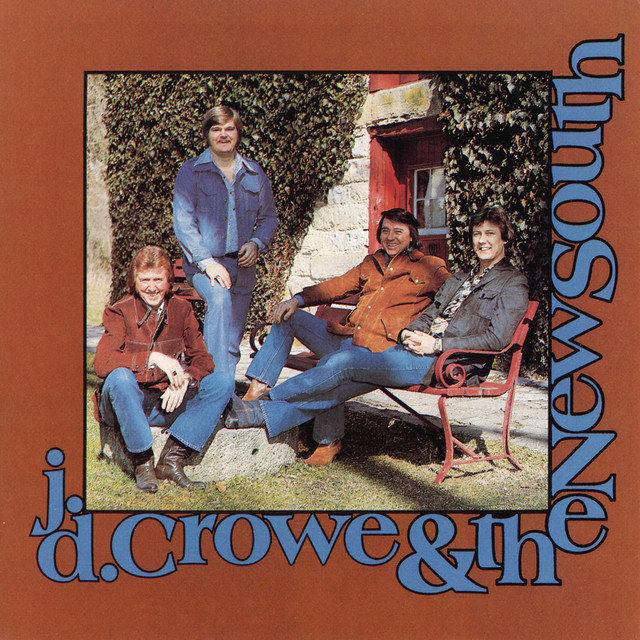
Later recordings include Flatt and Scruggs on Songs of the Famous Carter Family (Columbia, 1961); J.D. Crowe and the New South, with Ricky Skaggs singing lead and Tony Rice and Crowe in the trio, recorded in January 1975 at Track Recorders in Silver Spring, Maryland, for their Rounder album; and the Country Gentlemen, with Doyle Lawson singing lead, recorded 6 April 1976 at the same studio for Joe’s Last Train (Rebel).