“Fly Around My Pretty Little Miss” is both a breakdown and a song, found in old-time playing from Virginia and North Carolina under a string of other names: “Blue Eyed Girl” or “Blue Eyed Gal,” “Blue Eyes Run Me Crazy,” “Fare Thee Well My Pretty Little Miss,” “Pretty Little Pink,” “Susannah Gal” and “Western Country.” Its verses come and go from singer to singer, the cherry tree, the eighteen-horse team with a blind leader and the possum in the persimmon tree among them, and the Fiddler’s Companion notes that Methodists softened the chorus to “almost drives me crazy.”
The first recording was made in New York on 23 April 1924 by Samantha Bumgarner of North Carolina, who played banjo and called the dance figures on it; Columbia issued it as the B side of “Shout Lou” (146-D). Bumgarner and the guitarist Eva Davis made their Columbia records that April, three months before Roba Stanley, and are counted among the first women to record country music. String bands followed. The Hill Billies, Al Hopkins’s group, cut it as “Blue Eyed Girl” in New York on 22 October 1926, issued on Vocalion 5017; the West Virginia Coon Hunters recorded “Your Blue Eyes Run Me Crazy” for Victor at Bristol, Tennessee, on 5 August 1927, with Clyde Meadows singing; and Frank Blevins and His Tar Heel Rattlers, from Ashe County, North Carolina, recorded it at a Columbia session in Atlanta in 1927. The Bogtrotters of Galax, Virginia, later played it for the Library of Congress.
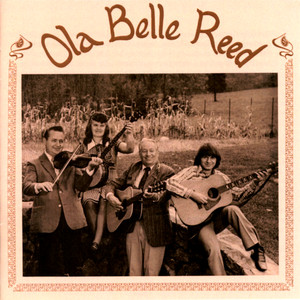
The words are a young man’s teasing courtship. The girl, his “daisy,” is bound to drive him crazy; the higher up the cherry tree, the riper the cherries, and the sooner you start courting the sooner you will marry; and he wishes for a nickel, a dime, and a pretty little girl to kiss and call his own. Clint Howard sang it as “Pretty Little Pink,” with Doc Watson and Fred Price, on Folkways’ Old Time Music at Clarence Ashley’s (1961). Ola Belle Reed recorded it with Bud, David and Alan Reed and fiddler John Miller at Devault, Pennsylvania, in 1972 for her Rounder album Ola Belle Reed (1973), and the Lonesome River Band arranged it as an instrumental, credited to fiddler Mike Hartgrove and mandolinist Jesse Smathers, for Mayhayley’s House (2017).