“Swannanoa Tunnel,” also known as “Asheville Junction,” began in the late nineteenth century as a hammer song, a work song whose steady rhythm let the men on a drilling crew time their blows. The singers were African American convict laborers leased to the Western North Carolina Railroad, who cut a series of tunnels through the Blue Ridge Mountains west of Old Fort. Crews working from opposite ends of the Swannanoa Tunnel, the longest, met on 11 May 1879. Estimates of the convicts who died building the tunnels run from 125 to 300, from cave-ins, explosions, disease and shootings by guards.
The words were improvised and changed from singer to singer, and the John Henry story turns up in many hammer songs, this one included. Will “Shorty” Love, an African American Duke University employee, sang it as “Asheville Junction” for folklorist Frank C. Brown in 1939, unaccompanied and pounding a table to imitate the hammer; his version perhaps comes closest to the original. The English collector Cecil Sharp took the song down from two white women living a few miles west of the tunnel and printed it in 1917 as “Swannanoa Town, O,” treating it as an English song. The North Carolina collector Artus Moser recorded it under that title in 1955, and his liner notes say Black prison laborers sang it.
Bascom Lamar Lunsford, a lawyer, folklorist and performer born in Mars Hill in 1882, learned it from a white banjo player named Fletcher Rymer and made it one of his signature songs. He recorded it more than once, including for Columbia University in 1935 and on the Folkways album Smoky Mountain Ballads (1953). His own account described it as an old labor song of the section hands who built the tunnel, and he did not mention convicts. Folk-revival singers took it up in the 1950s and 1960s: Erik Darling recorded it on his first solo album in 1958 and Paul Clayton on a 1962 Folkways dulcimer album.
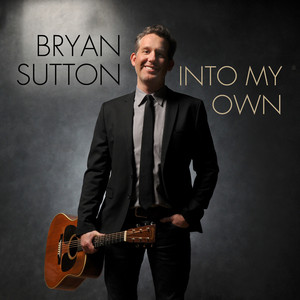
Bryan Sutton recorded a bluegrass setting on Into My Own (2014), with a new opening verse about the railroad coming through Rowan County. The lyric he sings keeps the old pieces: a tunnel that has caved in, a ringing hammer that could be thrown into the river and still ring on, and a refrain that another man is gone.