Walter “Hank” Garland
Hank Garland was a guitarist from upstate South Carolina who played on Nashville sessions through the 1950s and early 1960s for Elvis Presley, Patsy Cline, the Everly Brothers, Roy Orbison and Brenda Lee. His instrumental “Sugarfoot Rag” was a million-selling record when he was nineteen, he helped Gibson design the Byrdland guitar, and his 1960 jazz album with Gary Burton showed a side of Nashville few expected, until his career ended in September 1961.
He was born Walter Louis Garland in Cowpens, South Carolina, on 11 November 1930. His father bought him his first guitar, and he started playing at six, learning from a neighbor and from the radio, and was on local radio by twelve. In Spartanburg he worked on radio with the banjo player Don Reno, who gave him lessons, both of them playing lead guitar. At fourteen he caught the attention of the bandleader Paul Howard, who took him to Nashville, where he played on the Grand Ole Opry; he was too young to work regularly, though, and had to go home until he was old enough. Back in Nashville in his teens, he lodged at Ma Upchurch’s boarding house with the bassist Bob Moore and the fiddler Dale Potter.
Decca recorded him under his own name at Castle Studio in the Tulane Hotel, with Paul Cohen producing. On 25 August 1949 he cut “Sugarfoot Rag,” and that November he played it again behind Red Foley, who sang it. It was his one hit under his own name, selling more than a million copies, and he went on recording as Hank Garland and His Sugarfooters into 1951, mixing hillbilly boogie with “Lowdown Billy,” his take on the fiddle tune “Billy in the Lowground,” and pop standards. In the mid-1950s he and the guitarist Billy Byrd, at the request of Gibson’s Ted McCarty, worked out the thinner body and shorter scale of the Gibson Byrdland, and Garland received the second one made.
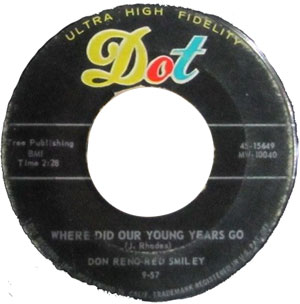
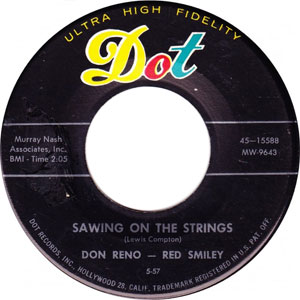
By then he was a mainstay of the studios on Music Row and at RCA Victor, working with Grady Martin, Bob Moore, Floyd Cramer and Buddy Harman among the players later called the Nashville A-Team. He played the opening lead on Bobby Helms’s “Jingle Bell Rock” (1957), and his session list took in Patsy Cline, Jim Reeves, Don Gibson, Marty Robbins, Conway Twitty and Brenda Lee. In 1957 he also played lead guitar for Don Reno and Red Smiley on two Dot sessions that Mac Wiseman produced in Nashville, with the fiddlers Mack Magaha and Benny Martin; the first, on 15 April, produced the instrumental “Sawing on the Strings.” He played on Elvis Presley’s sessions from 10 June 1958, when “I Need Your Love Tonight,” “A Big Hunk o’ Love” and “A Fool Such As I” were cut at RCA’s Nashville studio, through the 1960 sessions for “Stuck on You” and Elvis Is Back! to “Little Sister” and the Follow That Dream songs in the summer of 1961.
Jazz was his other music. He had jammed in New York with George Shearing and Charlie Parker, and in Nashville he played after hours at the Carousel Club in Printer’s Alley with the vibraphonist Gary Burton. On 4 July 1960 the Nashville All Stars, Garland with Chet Atkins, Boots Randolph, Burton, Cramer, Moore, Harman and Brenton Banks, went to Newport to play the jazz festival; when rioting stopped it, they recorded in the mansion where they were staying, released by RCA as After the Riot at Newport. Columbia’s Don Law recorded his own Jazz Winds from a New Direction in Nashville on 23 June 1960 with Burton, the bassist Joe Benjamin and the drummer Joe Morello, and further Columbia sessions with Moore, Harman and Burton became Velvet Guitar (Harmony) and The Unforgettable Guitar of Hank Garland.
In September 1961 he left the studios for good. He spent his later years in Orange Park, Florida, appearing in public only rarely, among them a fan appreciation show in Nashville in 1976, and he died there on 27 December 2004, aged 74. A film about his life, Crazy, was released in 2008.
These are the recordings in our catalog that credit Walter “Hank” Garland. We add more all the time.
-
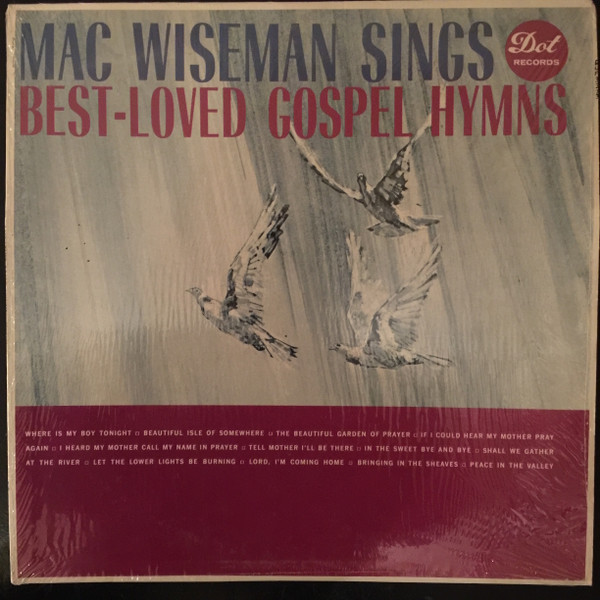
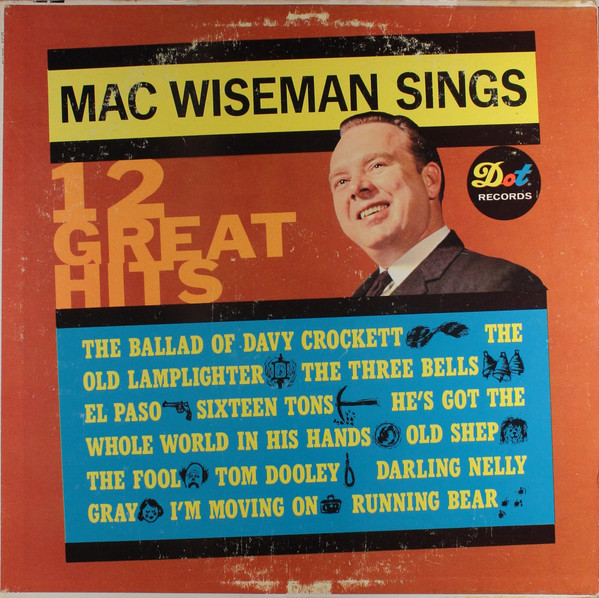
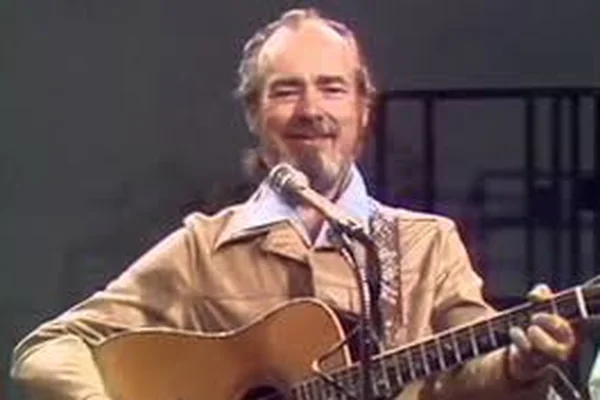 Mac WisemanPlayed on with Mac Wiseman
-
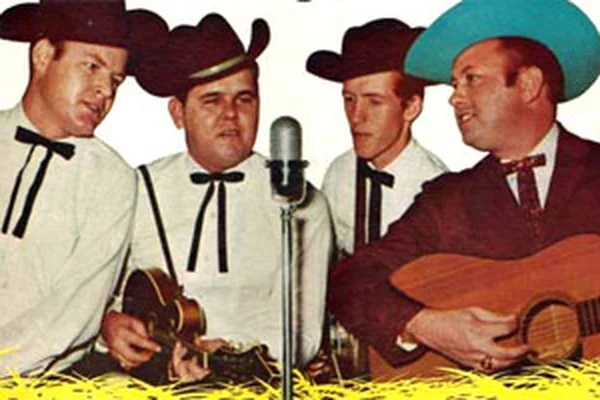 Jimmy Martin and the Sunny Mountain BoysPlayed on with Jimmy Martin and the Sunny Mountain Boys
-
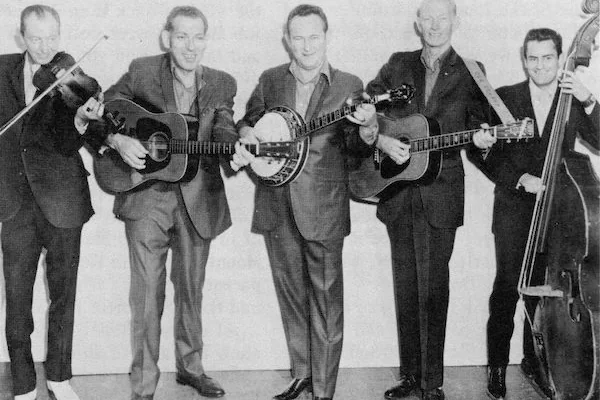 Reno & SmileyPlayed on with Reno & Smiley
-
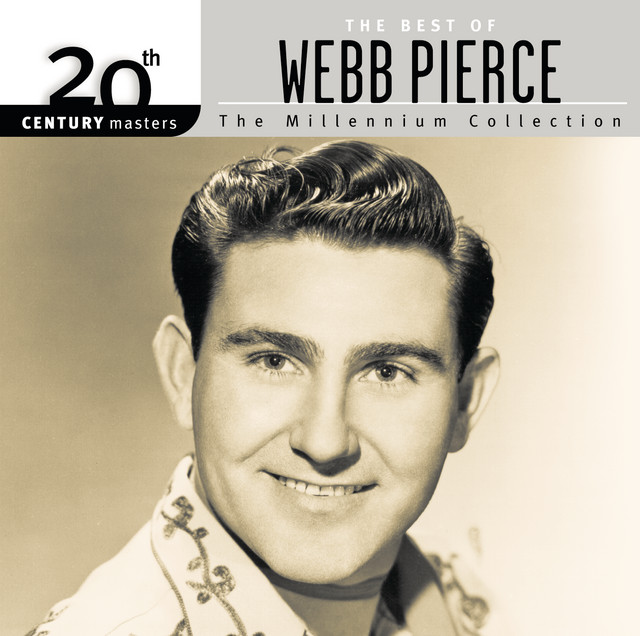
Webb PiercePlayed on with Webb Pierce
-
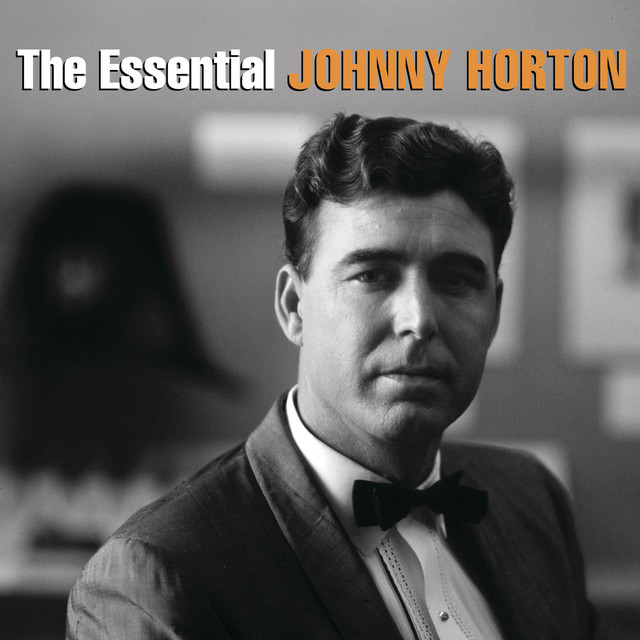
Johnny HortonPlayed on with Johnny Horton
-
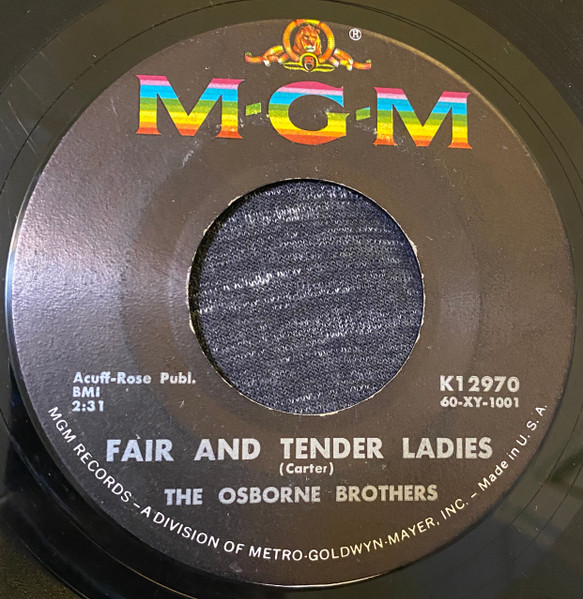
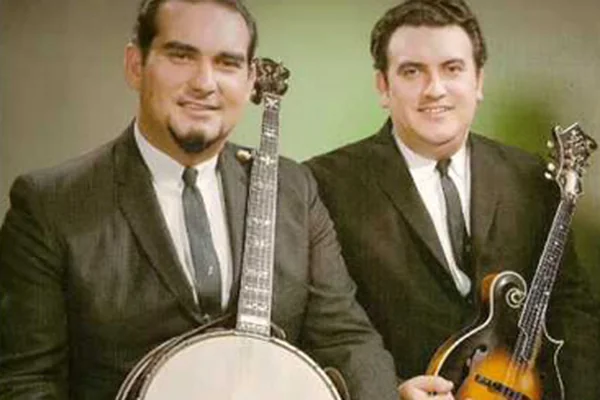 The Osborne BrothersPlayed on with The Osborne Brothers