“I’ll Fly Away” is a hymn by Albert E. Brumley, written between 1929 and 1932 and published in 1932 by the Hartford Music Company in the songbook Wonderful Message. Brumley, born near Spiro, Oklahoma, later said the idea came while he was working the cotton on the family farm near Rock Island. He was humming “The Prisoner’s Song,” a 1924 ballad that imagines flying over prison walls on the wings of an angel, and realised he could use that plot for a gospel song. The finished hymn keeps the image: the singer will leave this life like a bird from prison walls, with no more iron shackles on his feet. It has been called the most recorded gospel song.
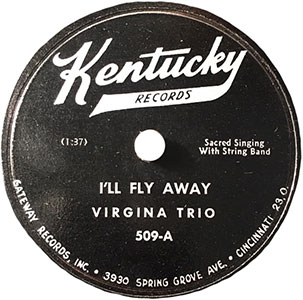
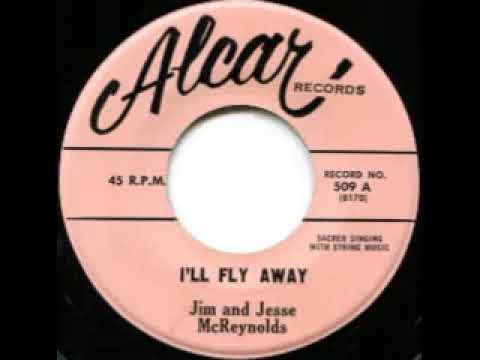
The Selah Jubilee Singers made one of the earliest recordings, for Decca in February 1941 (Decca 7831). The Chuck Wagon Gang recorded it for Columbia on 16 December 1948; that record is reported to have sold more than a million copies, and the Library of Congress added it to the National Recording Registry in 2017. James and Martha Carson put it out on Capitol in 1951. A 1952 single on Kentucky 509 (the Virginia Trio, listed elsewhere as Jim and Jesse McReynolds) also carries it. Hank Williams sang it on his 1951 Mother’s Best radio shows, which were released in 2022.
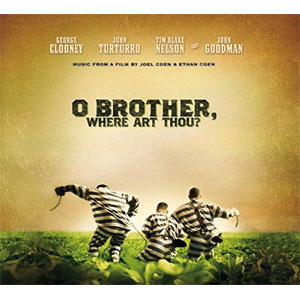
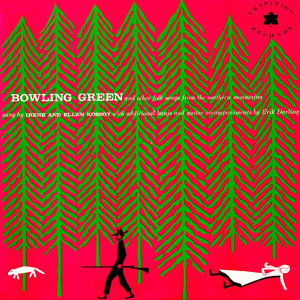
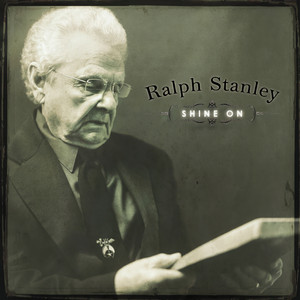
The Stanley Brothers recorded it in 1966, and Ralph Stanley returned to it for Shine On (Rebel, 2005). In 1956 the Kossoy Sisters sang it on Bowling Green and Other Southern Mountain Folksongs, with Erik Darling accompanying; their version is the one heard in the 2000 film O Brother, Where Art Thou? The film’s soundtrack instead carries a new recording by Gillian Welch on lead vocal with Alison Krauss singing harmony, Mike Compton on mandolin and Chris Sharp on guitar. The soundtrack sold more than eight million copies and won the Grammy for Album of the Year in February 2002.