
Bill Harrell
Bill Harrell was a singer and guitarist from Marion, Virginia, who spent his career in the bluegrass scene around Washington, D.C. He led Bill Harrell and the Virginians from 1960, sang lead as Don Reno’s partner in the Tennessee Cut-Ups from December 1966 to early 1977, and then led a new Virginians through eight albums for Rebel.
He was born in Marion on 14 September 1934. He had his first guitar at nine, and unusually for a country musician he also took piano lessons and learned to read music. Bluegrass took hold of him at the University of Maryland, where he and two other students formed a trio with Harrell on mandolin. In the mid-1950s he played mandolin with Don Reno and Red Smiley on the Old Dominion Barn Dance in Richmond, Virginia, and he worked in several Washington-area groups, among them the Rocky Mountain Boys and Buzz Busby and the Bayou Boys. His musical partners in those years included Smiley Hobbs, Smitty Irvin, Eddie Adcock, Carl Nelson, Roy Self and Donny Bryant; in one of those bands Adcock played banjo, Nelson fiddle and Self bass, with Harrell on guitar singing the bluegrass numbers.
He went into the service in 1957. Back in Washington afterward, he recorded for Starday with Bill Emerson on banjo, Smiley Hobbs on mandolin and Carl Nelson on fiddle. “A Heart Never Knows” and “Eating Out of Your Hand,” cut at Adelman Studio in Takoma Park, Maryland, on 13 August 1959, came out in February 1960, and “One Track Mind,” written by Harrell with Roy Self and H. Harlow, followed that May.
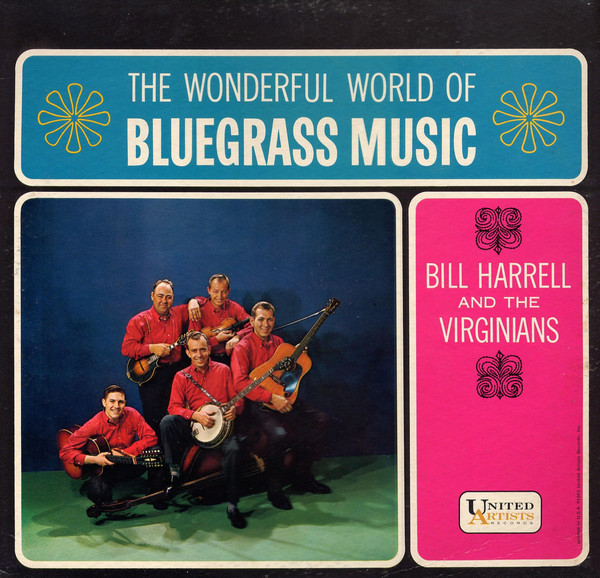
In 1960 he organized the Virginians, with himself on guitar and lead vocals, Buck Ryan on fiddle, Smitty Irvin on banjo and Stoney Edwards on bass, and Hobbs sitting in on mandolin or twelve-string guitar. United Artists released the band’s LP The Wonderful World of Bluegrass Music in August 1963, with “The Legend of Jesse James” and “Flower Blooming in the Wildwood” among the songs credited to Harrell. He hosted a weekly television program on WSVA in Harrisonburg, Virginia, and the Virginians were guests several times on Jimmy Dean’s ABC network show while working clubs and country music parks in Virginia, Maryland and the neighboring states. Irvin left in 1965, and Don Stover played banjo until Harrell joined Don Reno the following year.
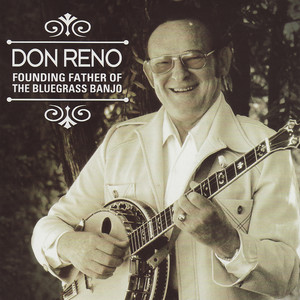
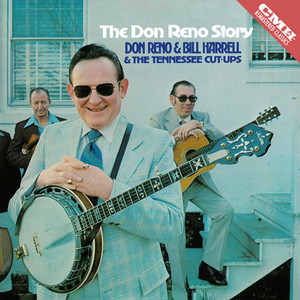
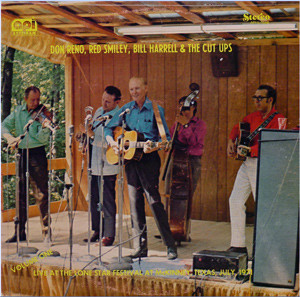
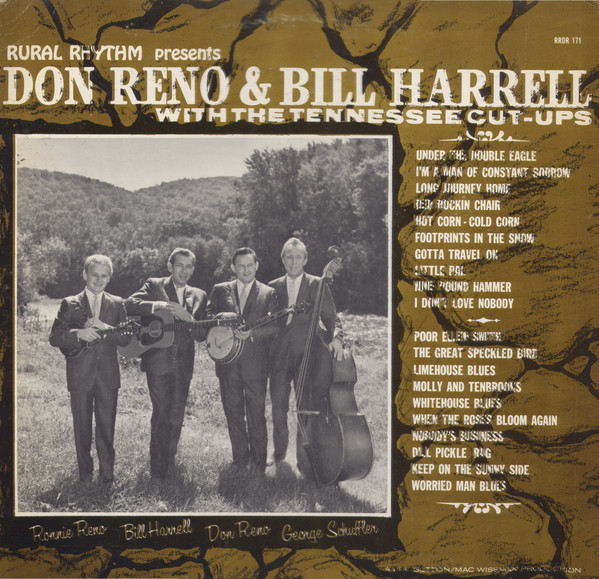
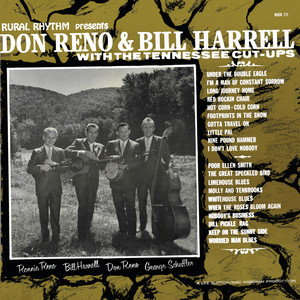
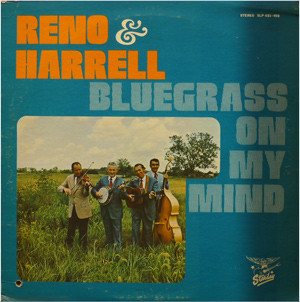
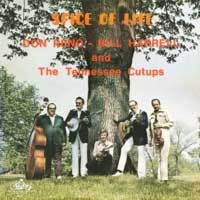
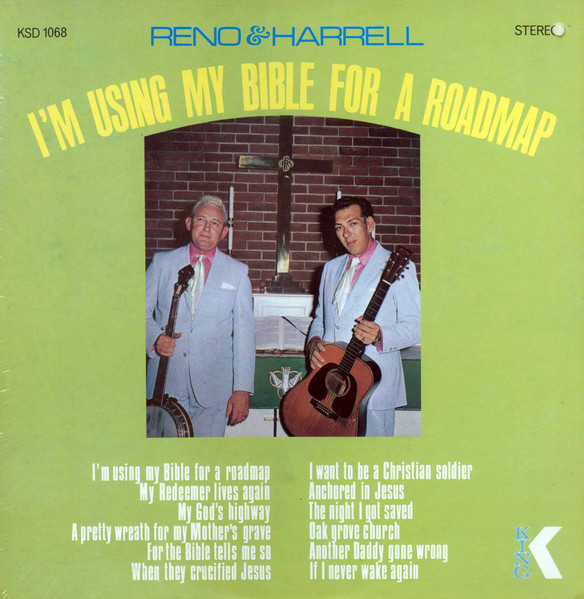
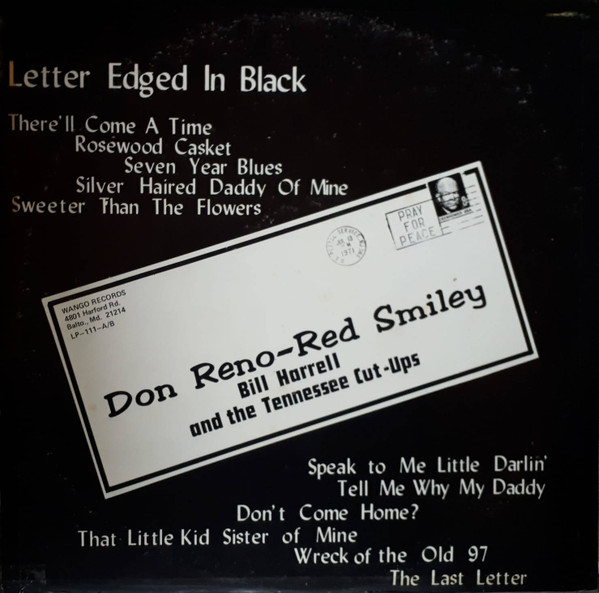
In December 1966 he became Reno’s partner in the Tennessee Cut-Ups, a role he held for just over ten years, the decade in which bluegrass festivals spread. Buck Ryan soon came in on fiddle, and Ed Ferris played bass for the last four years. Their first LP, for Rural Rhythm in 1967, was cut that February with Ronnie Reno on mandolin and George Shuffler on bass. Over the following decade the band recorded for King, Starday and Monument and for smaller labels such as Jalyn, Derby Town and King Bluegrass, with Harrell as lead singer and Reno singing tenor; the title song of I’m Using My Bible for a Road Map (King, 1970) was cut in Cincinnati on 25 June 1968. Red Smiley came out of retirement to play many shows with them from 1969 to 1971, and the three made two studio albums and a live one together. At the end the band signed with the new CMH label and recorded a double album, The Don Reno Story (1976), and a single album at Arthur Smith’s studio in Charlotte, North Carolina.
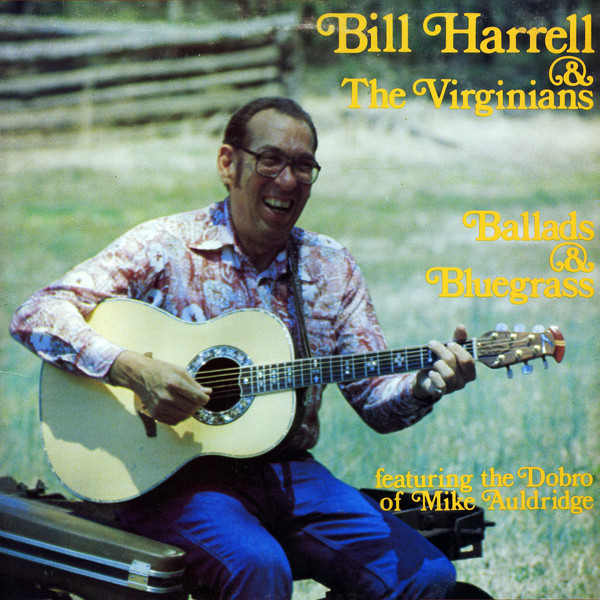
The partnership ended amicably early in 1977, when Reno wanted to bring his younger sons forward and Harrell wanted his own band again. Taking Ferris with him, Harrell re-formed the Virginians with his old friend Carl Nelson on fiddle and a young banjo player, Darrell Sanders, and that core stayed together for about a decade. The first album, Ballads & Bluegrass (Adelphi, 1978), was followed by three for the Leather label, among them Bluegrass Gospel, Pure and Simple (1980) and The L&N Don’t Stop Here Anymore (1981). In November 1978 the band recorded for Rebel at Track Recorders in Silver Spring, Maryland, with Mike Auldridge on resonator guitar and Larry Stephenson on mandolin; Harrell hired Stephenson in January 1979, and the session became I Can Hear Virginia Calling Me (Rebel, 1980). Stephenson later credited Harrell with teaching him how to run a band as a business, and Harrell did his own booking as well as some for other Washington-Baltimore acts, the Johnson Mountain Boys among them.
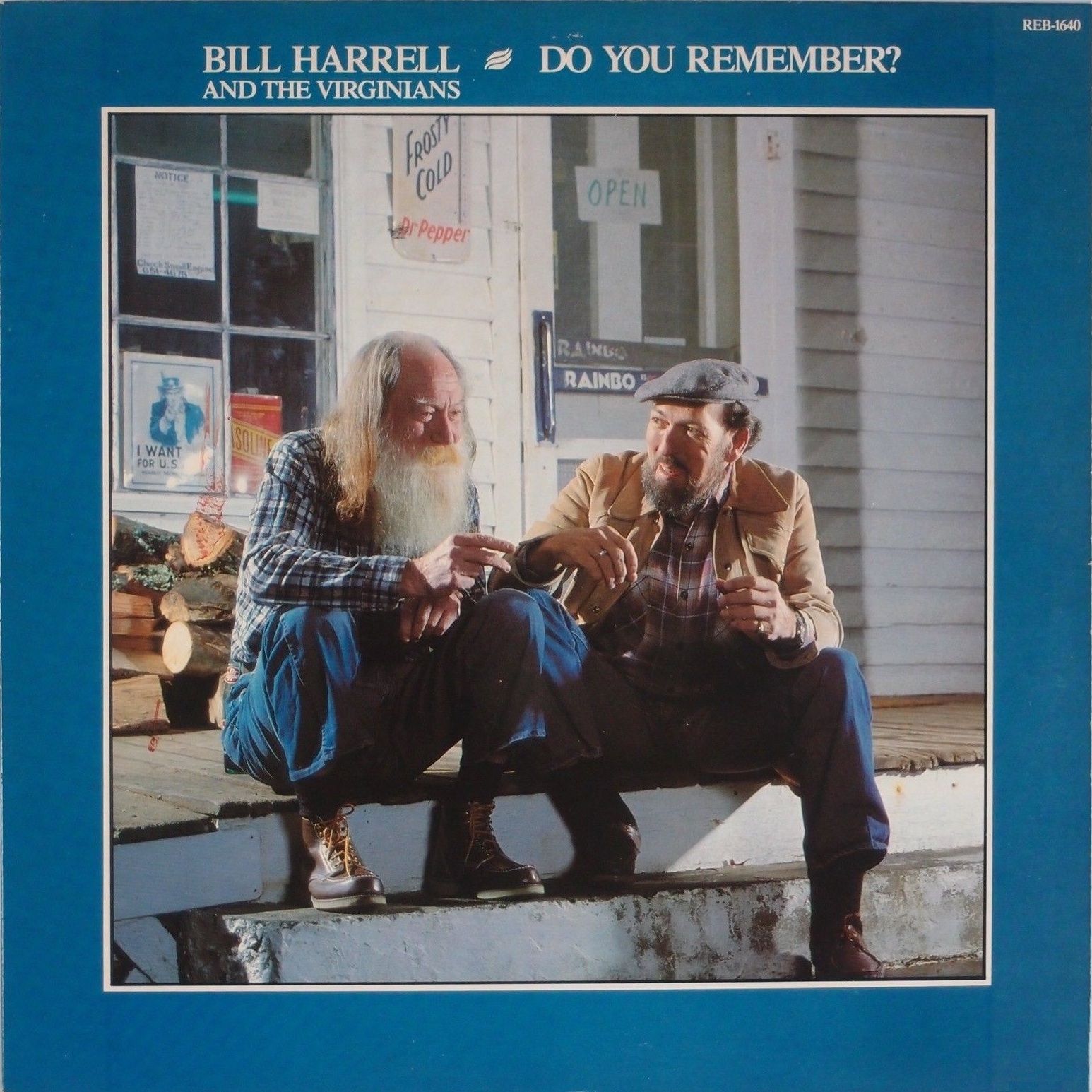
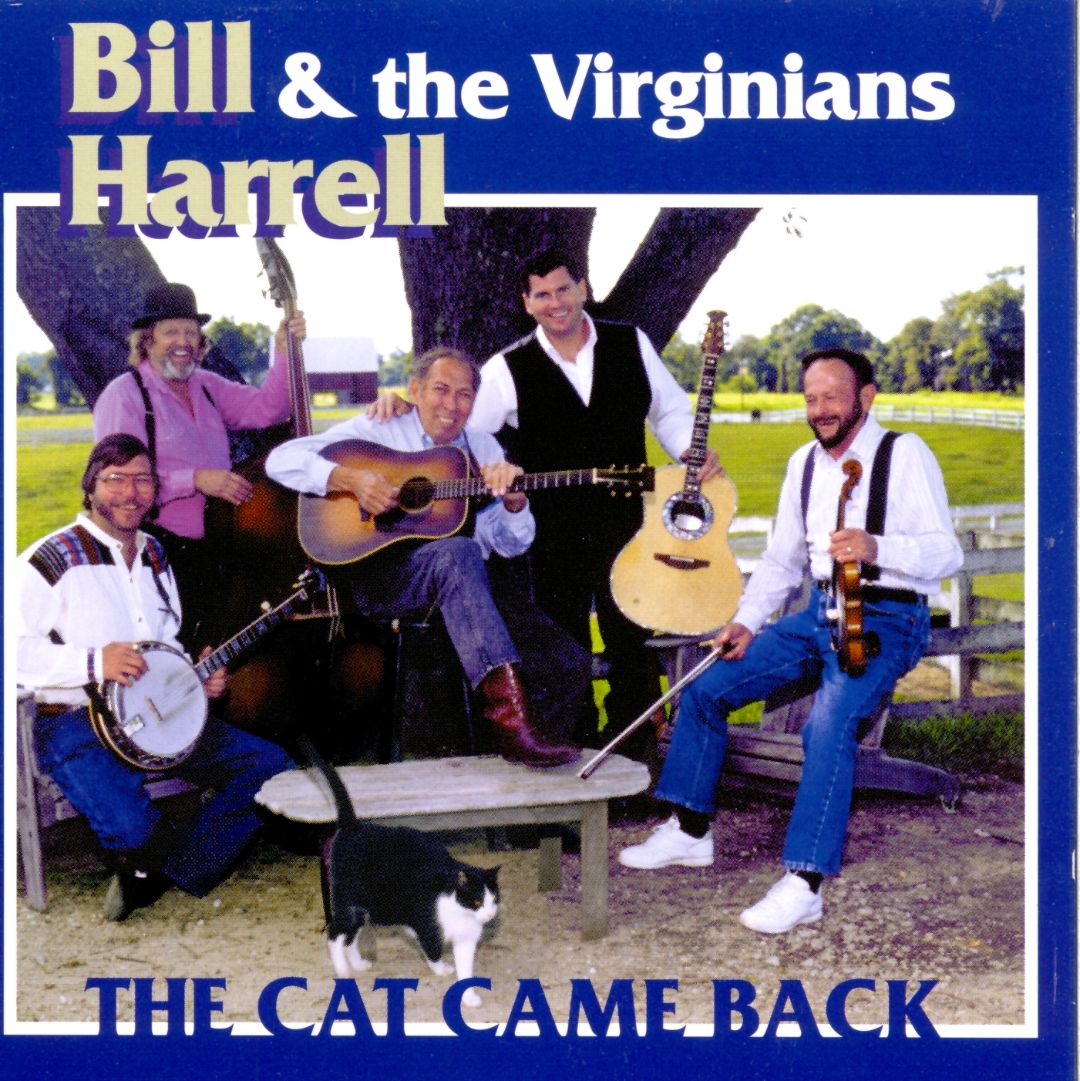
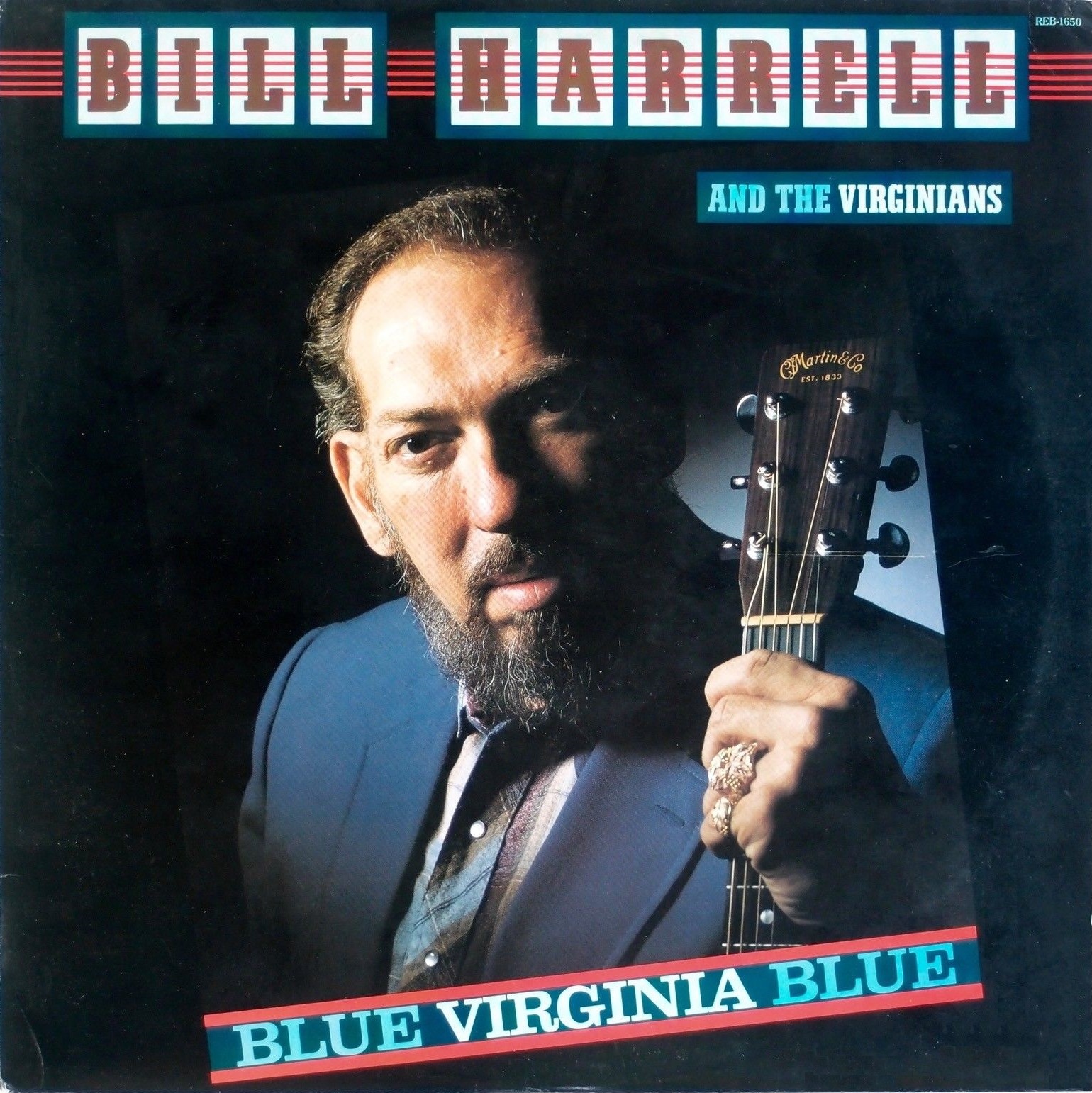
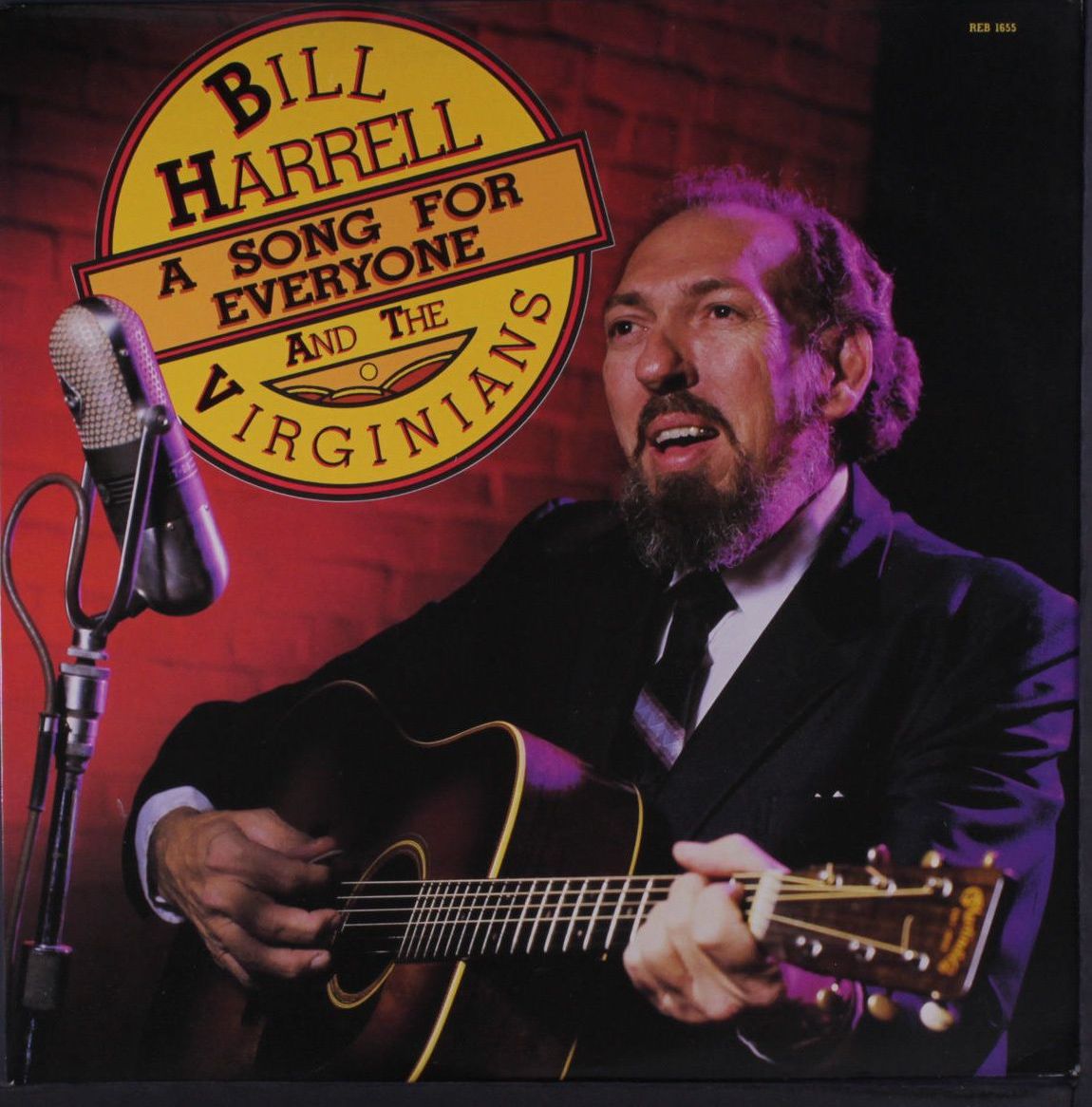
Between 1980 and 1998 Harrell made eight albums of new recordings for Rebel. Walking in the Early Morning Dew (1983), with the same band, included “Cold November Rain” and “Reno Bound,” and Do You Remember (1985) had “Alabama Bound” and “On Whiskey Mountain.” With Paul Adkins on mandolin he made Blue Virginia Blue (1986), on which his sons Mitch and John sang with him on the old ballad “Mary of the Wild Moor,” and A Song for Everyone (1987). Ferris and Sanders left late in the 1980s, Billy Budd and Bob Lundy taking their places, and by 1988 Nelson was the only member left from 1977. After the Sunrise (1990) was his first all-gospel album in more than a decade; Bill Harrell and Friends brought in Mac Wiseman, the Reno Brothers, Del McCoury, Buddy Spicher, Jimmy Buchanan and Josh Graves; and The Cat Came Back (1998), a set of older country songs, was his last for the label.
Harrell retired soon afterward, and Mitch, already a member, took over the Virginians. In the course of his career he performed for three presidents, Nixon, Reagan and Bush. In October 2008, at the World of Bluegrass in Nashville, the International Bluegrass Music Association gave him a Distinguished Achievement Award, presented by Larry Stephenson. He died at his home in Davidsonville, Maryland, on 24 June 2009.
These are the recordings in our catalog that credit Bill Harrell. We add more all the time.



-
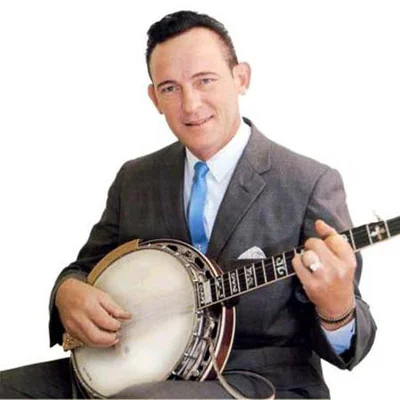 Don RenoPlayed on with Don Reno
-
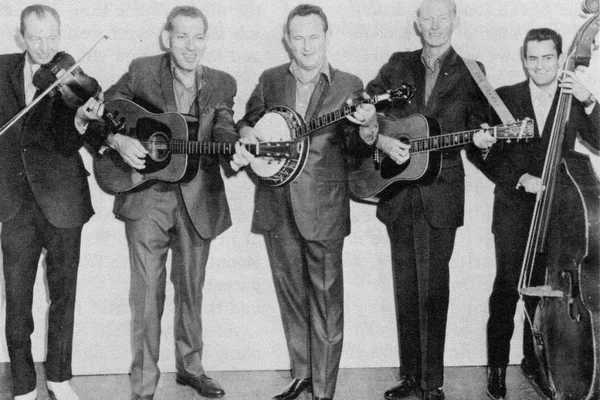 Don Reno, Bill Harrell and the Tennessee Cut-UpsPlayed on with Don Reno, Bill Harrell and the Tennessee Cut-Ups
-
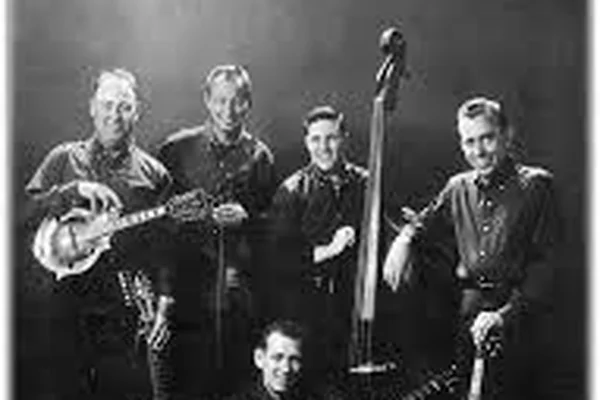 Bill Harrell and the VirginiansPlayed on with Bill Harrell and the Virginians
-
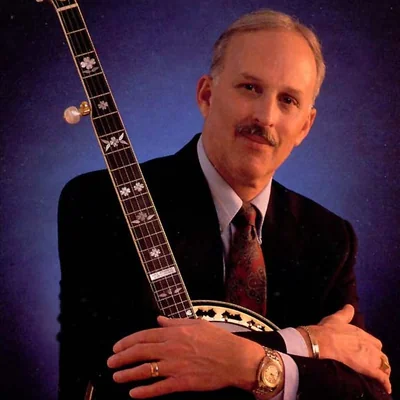 Bill EmersonPlayed on with Bill Emerson



