“Wreck of the Old 97” commemorates the September 27, 1903 derailment of the Southern Railway’s Fast Mail train (officially train number 97) at the Stillhouse Trestle outside Danville, Virginia. The train, running behind schedule and pushed by its engineer to make up time, took the trestle’s curve at excessive speed; eleven crew and on-board personnel were killed and seven injured. The song that emerged from the wreck became one of the most consequential railroad ballads in American folk tradition.
The earliest commercial recordings are by the Virginia musicians G.B. Grayson and Henry Whitter in the early 1920s, but it was Vernon Dalhart’s August 13, 1924 reading for Victor (No. 19427), with Carson Robison on guitar and Dalhart playing harmonica, that turned the song into a phenomenon. Paired with “The Prisoner’s Song” on the B-side, the single became the first million-selling country record in the American industry; lifetime sales reached approximately seven million copies. The song’s authorship later produced one of the first major copyright lawsuits, when David Graves George sued RCA Victor claiming original authorship.
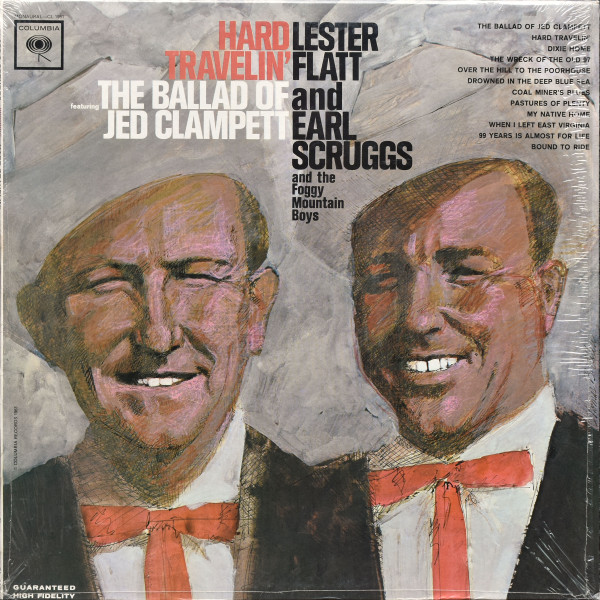
A notable recording is Lester Flatt, Earl Scruggs and the Foggy Mountain Boys’ 1962 reading on Hard Travelin’ Featuring the Ballad of Jed Clampett. The Carnegie Hall performance — with the band working through their full railroad-and-disaster repertoire — is one of the better-documented live readings of the song, and it remains the bluegrass-canonical version.