“Live and Let Live” was written by Wiley Walker and Gene Sullivan, a fiddle-and-guitar singing duo working out of Texas — Walker was born in Carbon Hill, Alabama, in 1911, Sullivan in Laurel Hill, Florida, in 1914. They recorded it for OKeh on 9 March 1941 at the WBAP radio studio in the Blackstone Hotel in Fort Worth, both singing, with Foy Willing on steel and Sheldon Bennett on electric guitar. OKeh 06374, issued in August 1941, put it on the back of another song from the same session, “When My Blue Moon Turns to Gold Again.” Columbia reissued the coupling in 1947 and again in 1948, and the two men recorded both songs once more for a 1959 single on the Sully label, made in Oklahoma City.
The singer has just heard that the one he loves is going away, after giving him her love and her vow. He has walked the floor all night, and the chorus pleads with her: live and let live, don’t break my heart, don’t leave me here to cry.
Country singers took it up in the 1950s. Carl Smith recorded it for Columbia at Radio Recorders in Hollywood on 27 February 1956, with Don Law producing, and it appeared on his LP Smith’s the Name. Rose Maddox cut it for Capitol in Hollywood on 8 June 1959, with her brothers Cal and Henry among the band, for The One Rose, released in January 1960.
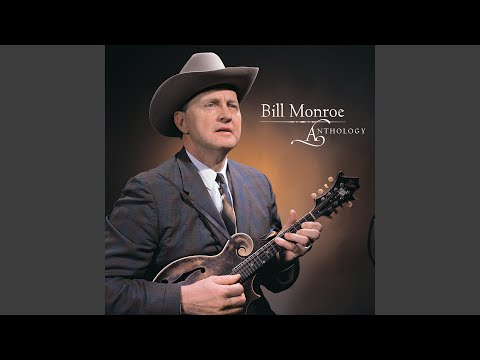
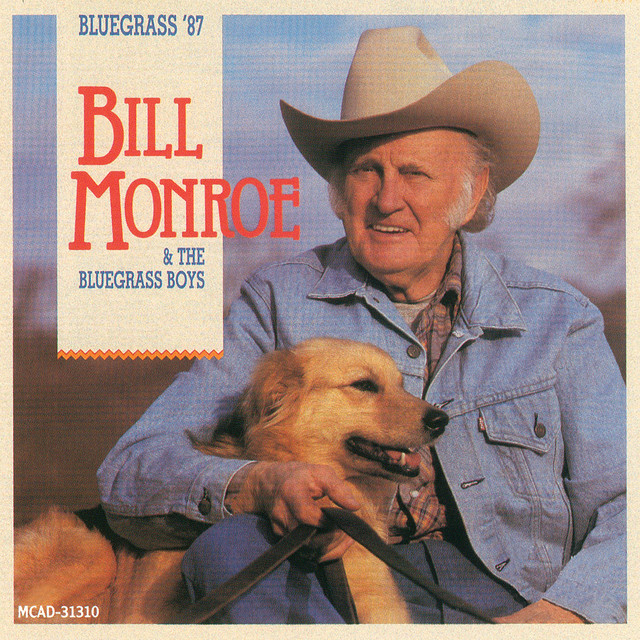
Bill Monroe and his Blue Grass Boys recorded it at Bradley Film & Recording Studio in Nashville on 10 November 1961, the same day as “Nine Pound Hammer.” Monroe played mandolin and sang the verses and the tenor on the chorus, Jimmy Maynard played guitar and sang the chorus lead, with Curtis McPeake on banjo, Benny Williams on fiddle and Bessie Lee Mauldin on bass. Decca released it in June 1962 on Bluegrass Ramble.
Kenny Baker and Joe Greene played it as a twin-fiddle instrumental in High Point, North Carolina, in November 1967 for their County album High Country. Joe Val and the New England Bluegrass Boys recorded it in March 1971 for One Morning in May, Rounder’s third release, and Jim & Jesse cut it in 1972. Red Allen made it the title track of his 1979 Folkways album, recorded in Columbus, Ohio, in 1978. Del McCoury, Mac Wiseman and Doc Watson shared the vocal on Mac, Doc & Del (Sugar Hill, 1998), and the Del McCoury Band included it on Old Memories: The Songs of Bill Monroe in 2011, dividing the vocal the way Monroe and Maynard had: Del on the verses and the chorus tenor, Ronnie McCoury on the chorus lead.