“Wabash Cannonball” descends from a 19th-century railroad song. The earliest documented version is sheet music titled “The Great Rock Island Route,” credited to J. A. Roff and published in 1882. A rewritten version by William Kindt appeared in 1904 under the title “Wabash Cannon Ball,” and Kindt’s version became the canonical lyric and melody set that subsequent recordings have referenced.
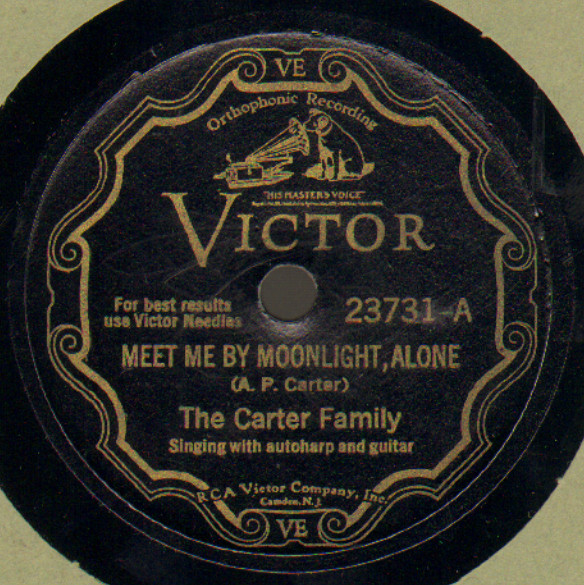
The Carter Family made one of the first commercial recordings of the song in 1929, though it was not released until 1932. A. P. Carter registered the song under his own name — a common Carter Family practice of registering arrangements of older material as their own — which is why many casual references attribute the song to the Carters rather than to Roff and Kindt.
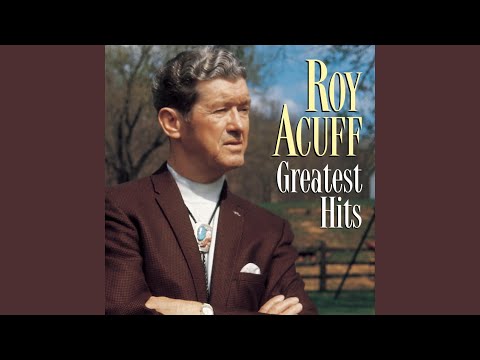
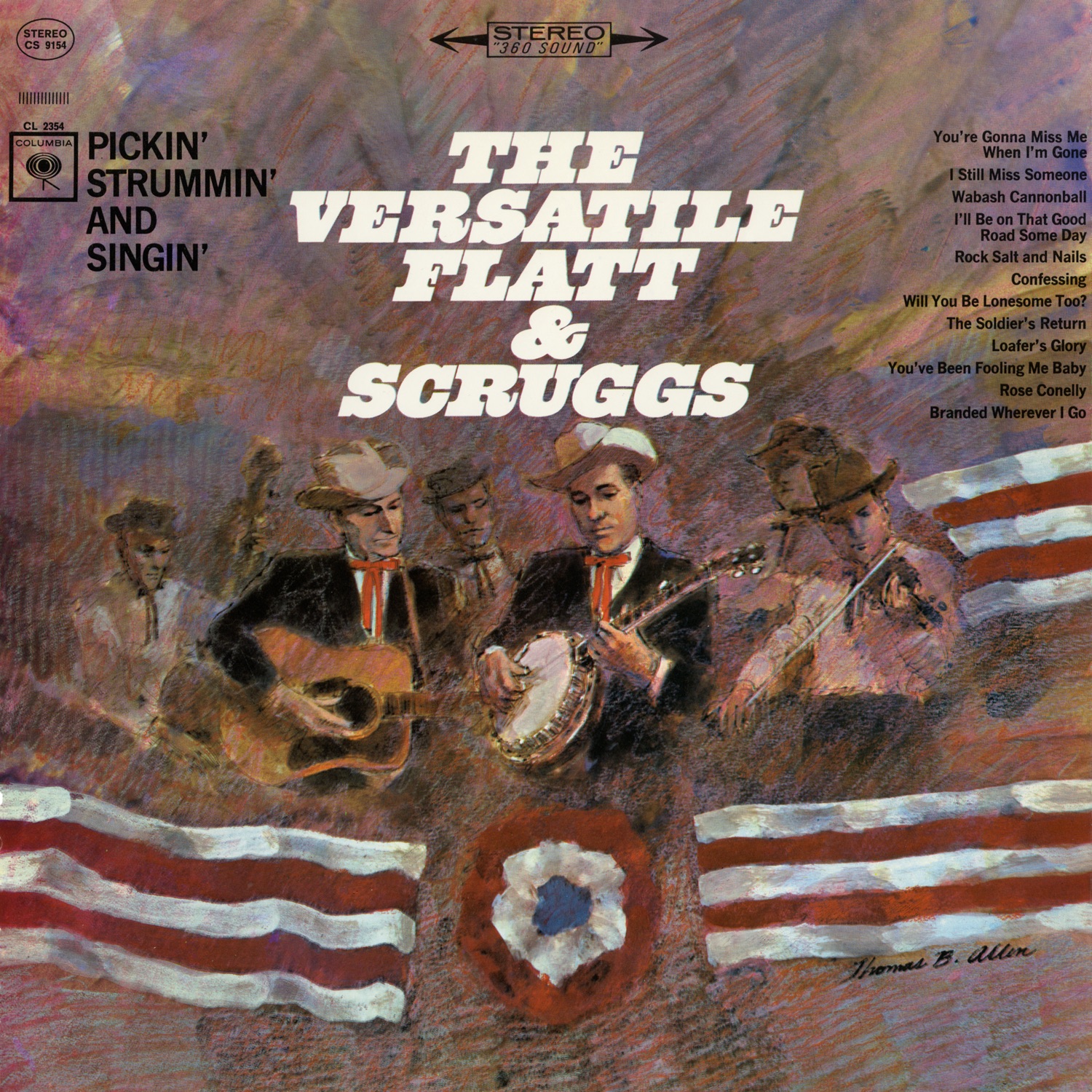
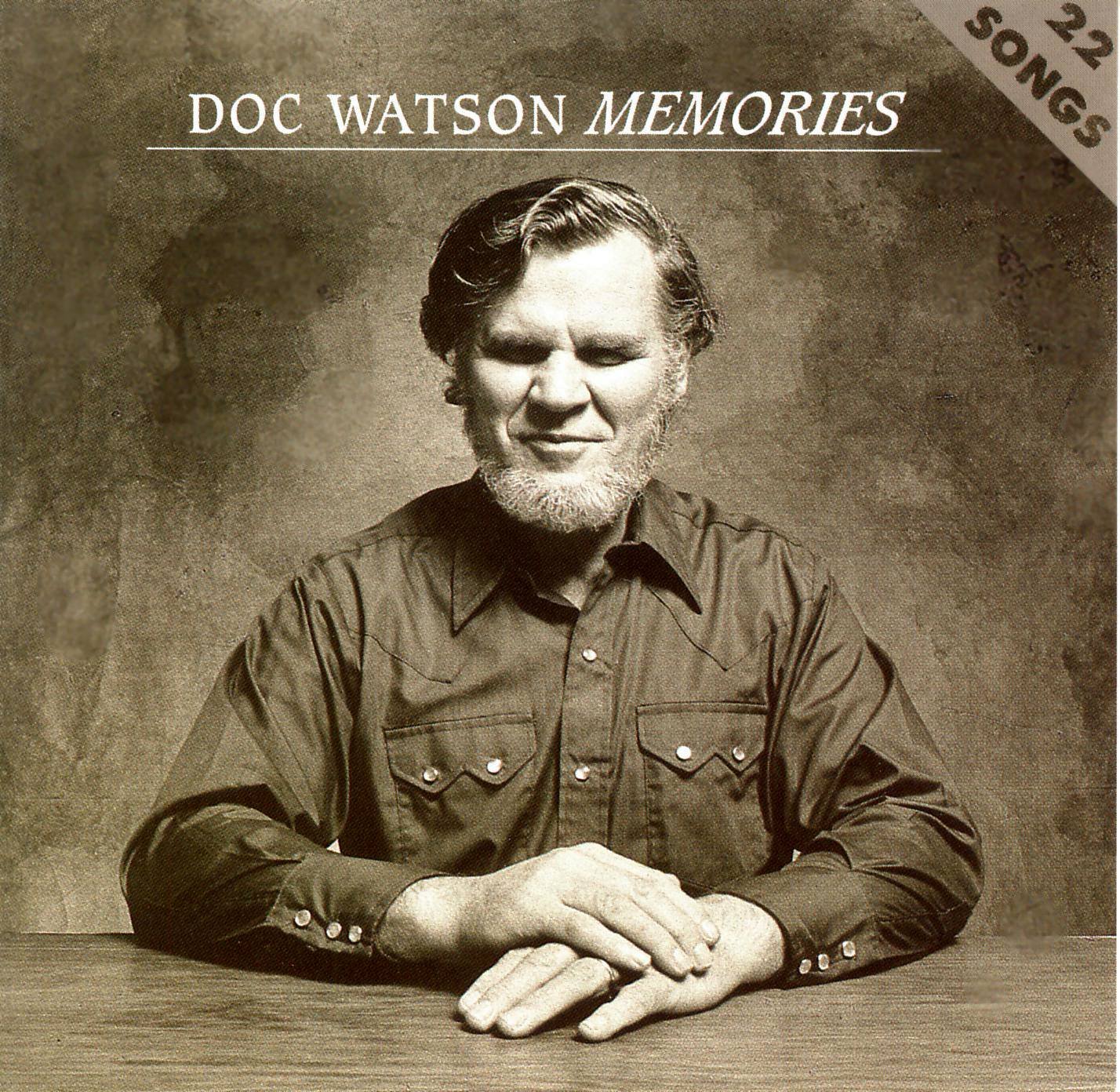
The song’s pivotal country-music breakthrough came in 1936, when Roy Acuff recorded a version that introduced “Wabash Cannonball” to the broader country audience. Acuff’s reading became one of his career signatures and effectively fixed the song in the country and bluegrass canons. The “Wabash Cannonball” of the title was never an actual railroad train (it began as a fictional named train in song-tradition), though the popularity of the song eventually inspired actual trains named the Wabash Cannonball on the Wabash and Norfolk & Western lines. The song has been recorded by countless country, bluegrass, and folk acts and remains a regular at jam sessions across multiple traditions.