Keith Whitley and Ricky Skaggs
Keith Whitley and Ricky Skaggs were teenagers from eastern Kentucky who sang the Stanley Brothers’ songs so closely that Ralph Stanley hired them both in 1970. Backed by his Clinch Mountain Boys, they made two albums as a duo in 1971, Tribute to the Stanley Brothers for Jalyn and Second Generation Bluegrass for Rebel, before each went on to a career in bluegrass and then in country music that took both of them into the Country Music Hall of Fame.
They met in 1968, when both were fourteen, at a talent show in Ezel, Kentucky. Whitley, from Sandy Hook, already had a band with his older brother Dwight on banjo; Skaggs was there playing in the fiddlers’ contest with his father. The two started playing together straight away, and by 1969 they had a band of their own, the East Kentucky Mountain Boys, built around the high, lonesome songs of Carter and Ralph Stanley.
Around May 1970 Ralph Stanley was running late for a date at Jim & Fay’s, a club in Fort Gay, West Virginia, just across the state line from Louisa, Kentucky. The owner had the two boys fill in, and Stanley walked in to the sound of Stanley Brothers songs. He hired them both. The next month they opened for him, and in July they took part in Carlton Haney’s Stanley Brothers story at the Berryville festival. Because they were still in school, they played with the band when they could and joined it full-time after graduating.
Stanley set up their first record, for the small Jalyn label. They cut it in a few hours in January 1971, before a night show in Dayton, Ohio. The sleeve gives the date as 9 January, though Skaggs remembered it as the 8th. They took most numbers in a single pass, and “I Long to See the Old Folks” had to be sung twice because the tape ran out. Whitley sang lead and played guitar and Skaggs sang tenor and played mandolin and fiddle, with Stanley’s band behind them: Roy Lee Centers on banjo, Curly Ray Cline on fiddle, Jack Cooke on bass and Ron Thomason on mandolin. Stanley himself played very little. All twelve songs were Stanley compositions, among them “White Dove,” “Lonesome River” and “Little Glass of Wine.” Jalyn later reissued the album as by Ralph Stanley & the Clinch Mountain Boys featuring the pair, and in 1983 ten of its tracks came out in Canada as Lonesome River, credited to Skaggs alone.
Six weeks after the Jalyn date, on 22–23 February 1971 at Roy Homer’s basement studio in Clinton, Maryland, they recorded with the band for Cry from the Cross, Stanley’s first album for Rebel, with Whitley on lead guitar and Skaggs on mandolin and fiddle. The same sessions began Something Old, Something New. With Stanley they could recreate the trio harmonies of the Stanley Brothers’ early band. Skaggs, who modeled his mandolin playing on Pee Wee Lambert’s, also played twin fiddle with Cline, and Whitley played both rhythm and lead guitar and sometimes sang bass.
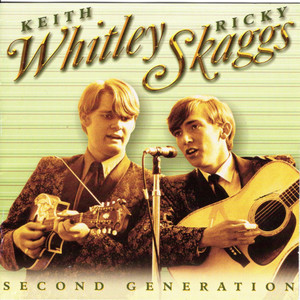
When the band went back to Homer’s studio on 29 June 1971, time was set aside for the duo’s own album. They made Second Generation Bluegrass that day and finished it on the 30th, when the band also recorded the last seven tracks for Something Old, Something New. Ralph Stanley, Roy Lee Centers, Curly Ray Cline on fiddle and Jack Cooke on bass backed them. Just over half the songs were associated with the Stanley Brothers, among them “Memories of Mother,” “My Deceitful Heart,” “This Weary Heart You Stole Away,” “Dream of a Miner’s Child” and “Daybreak in Dixie.” The rest were new or obscure: “All I Ever Loved Was You,” written by Skaggs’s mother, Dorothy; Skaggs’s fiddle instrumental “Son of Hobart”; “Sea of Regret” and “Those Two Blue Eyes” by David Sloas of the Sloas Brothers; and Centers’s comic “Poor Monroe.” Rebel released it in 1971 as SLP 1504, and Bluegrass Unlimited gave it four and a half stars out of five, singling out Skaggs’s mandolin on “Daybreak in Dixie.” Two more songs from the session, “Blue Yodel #3” with Skaggs singing lead and “In Memory of Carter Stanley,” stayed unissued until the set Classic Stanley. Rebel reissued the album with a new cover in 1990, and on CD in 2001 as Second Generation.
Their last session with the Clinch Mountain Boys was on 11 December 1971. Skaggs married, left the band and took a job outside music before joining the Country Gentlemen in 1973. In 1972 Whitley left too, forming a band with Jimmy Gaudreau, known as the New Tradition and then the Country Store, which started out around Columbus, Ohio, and moved to the Washington area. Whitley lived in Woodbridge, Virginia, near Skaggs, and his old partner would sit in with the band. After Roy Lee Centers died in May 1974, Stanley brought Whitley back as his lead singer, and he stayed until 1977. From 1978 to 1982 he sang lead with J.D. Crowe & the New South, the band Skaggs had joined after the Country Gentlemen.
Both then moved to country music. Skaggs’s Epic debut, Waitin’ for the Sun to Shine (1981), kept bluegrass harmonies and mandolin but added drums and electric bass. Whitley moved to Nashville and signed with RCA in 1984. From 1988 he had five No. 1 country hits in a row, the last two released after his death on 9 May 1989, at thirty-four. Their voices met again on “’Til a Tear Becomes a Rose,” a 1987 demo on which Skaggs had sung harmony with Whitley. It was released in 1990 with Lorrie Morgan’s voice added, and in 1994 Skaggs recorded for Keith Whitley: A Tribute Album. Skaggs entered the Country Music Hall of Fame in 2018, and Whitley followed in 2022.
-
Second Generation Bluegrass1971 · Rebel SLP 1504
-
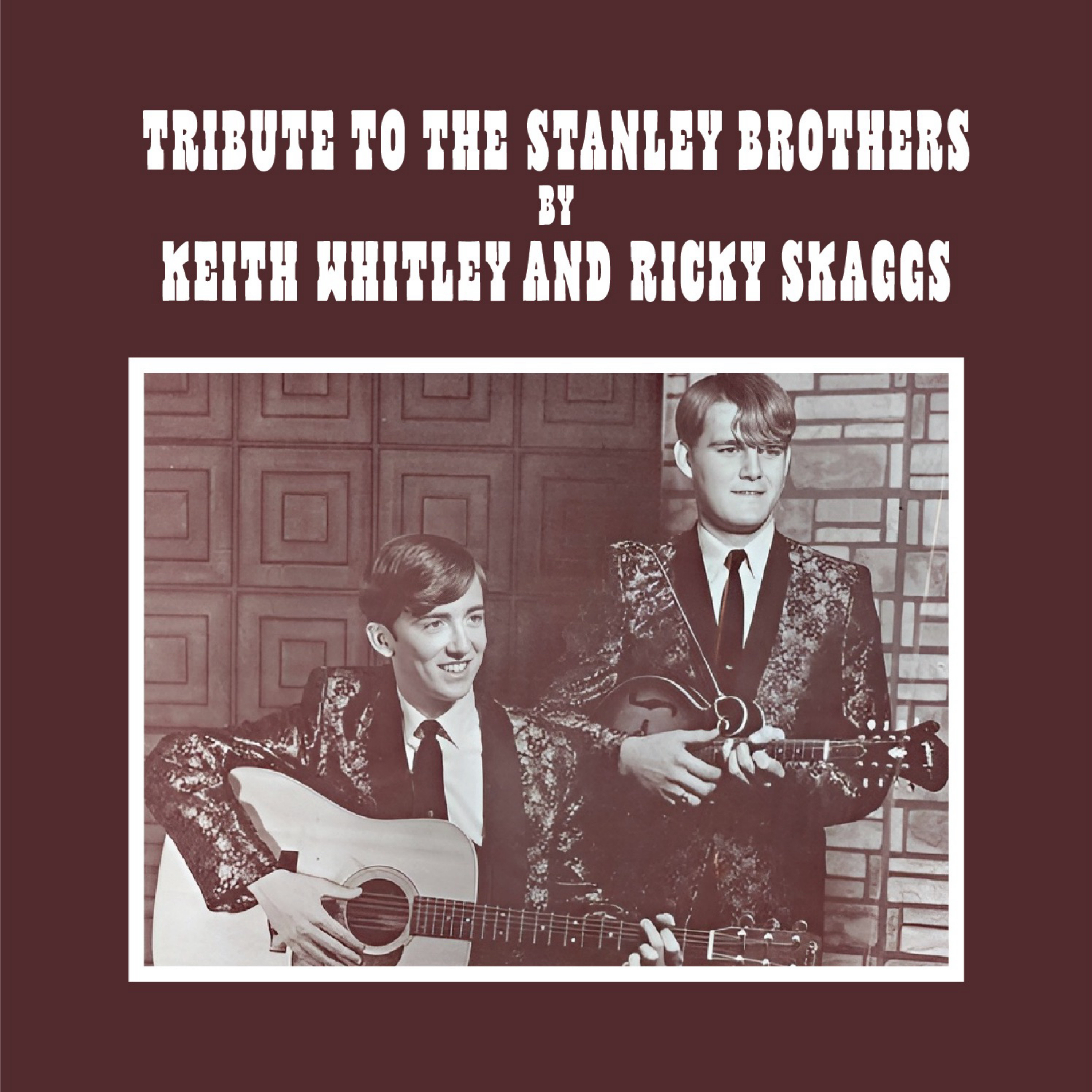 Tribute to the Stanley Brothers1971 · Jalyn JLP 129
-
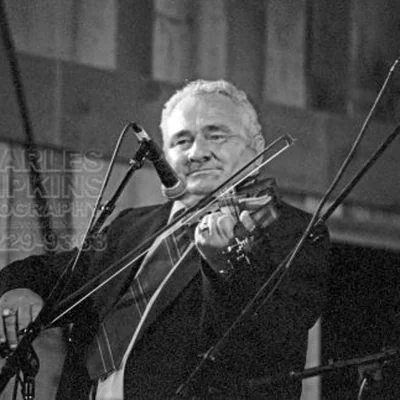 “Curly” Ray ClinePlayed on with Keith Whitley and Ricky Skaggs
-
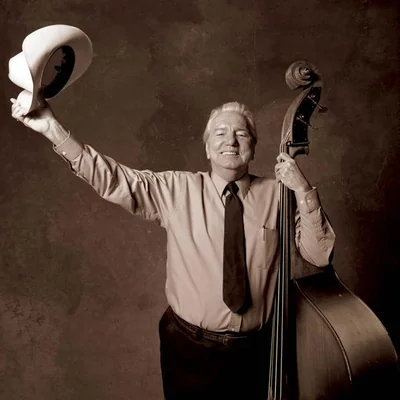 Jack CookePlayed on with Keith Whitley and Ricky Skaggs
-
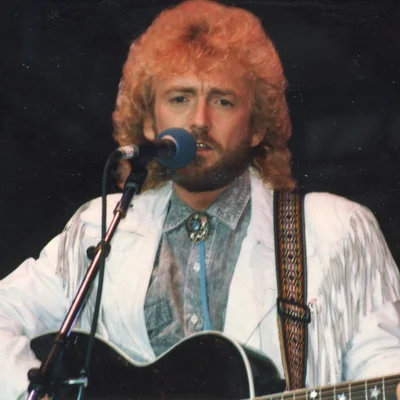 Keith WhitleyPlayed on with Keith Whitley and Ricky Skaggs
-
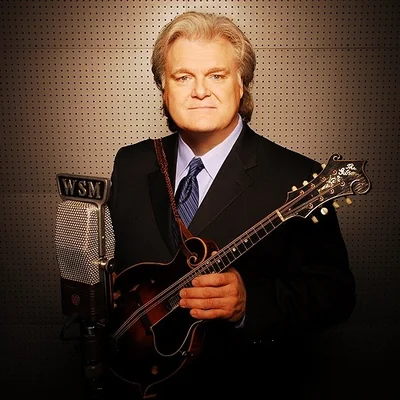 Ricky SkaggsPlayed on with Keith Whitley and Ricky Skaggs
-
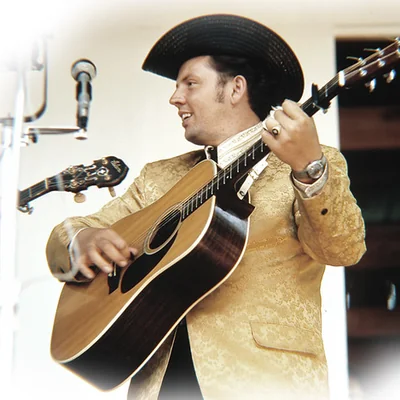 Roy Lee CentersPlayed on with Keith Whitley and Ricky Skaggs
-
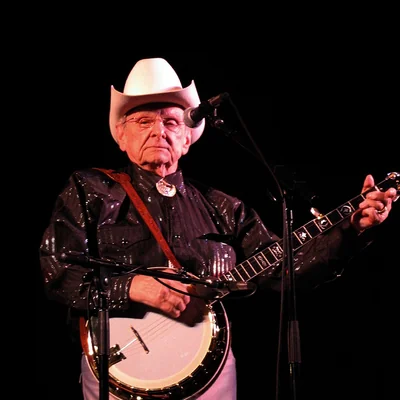 Ralph StanleyPlayed on with Keith Whitley and Ricky Skaggs
-
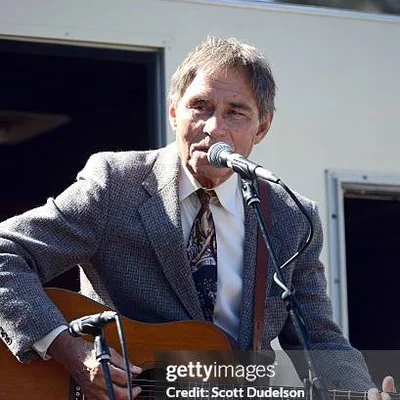 Ron ThomasonPlayed on with Keith Whitley and Ricky Skaggs