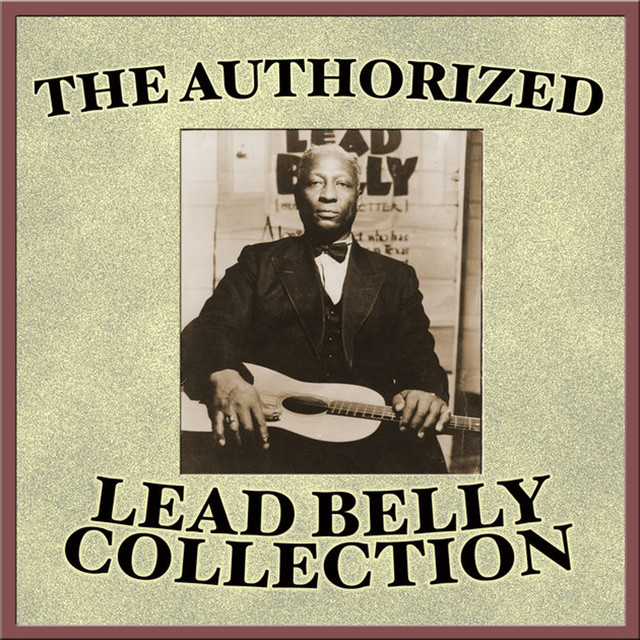
“Goodnight, Irene” is one of the most widely known songs in the American folk canon. It is most closely associated with Huddie “Lead Belly” Ledbetter, the Louisiana songster who first recorded it in 1933, when the folklorist John Lomax set down his version during a visit to a Louisiana prison.
Lead Belly did not invent the song outright. He said he had known “Irene” since around 1908, learning its refrain and core verses from his uncles, and over the years he reshaped its rhythm and rewrote much of the lyric into the waltz-time song known today; an 1880s parlor song may lie still further back in its history. The melancholy verses — a troubled marriage, a wish to see Irene in his dreams — sit in stark contrast to the gentle, lullaby-like chorus.
The song reached a mass audience after Lead Belly’s death, when the Weavers turned it into a number-one hit in 1950. It has since been recorded countless times across folk, country, and bluegrass.