“I Am a Man of Constant Sorrow” is one of the most widely traveled songs in American folk music. It was first set down in print around 1913 by Dick Burnett, a partially blind fiddler and singer from Kentucky, who included it — under the title “Farewell Song” — in a small songbook; some of its language may reach back further still, into older hymn tradition.
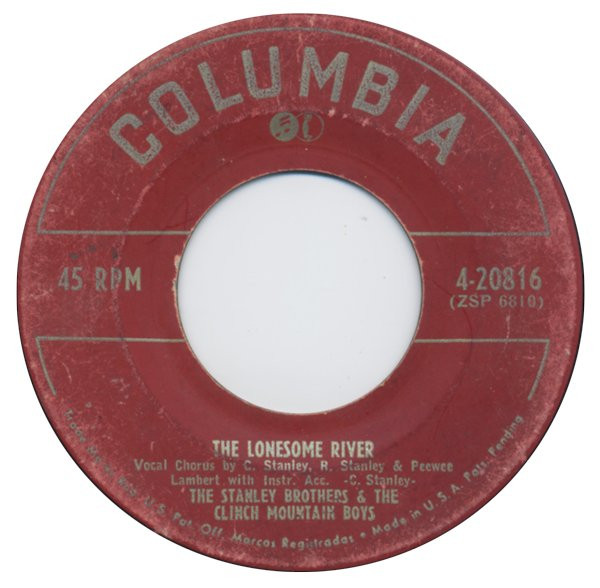
The first commercial recording came in 1928, by the Kentucky singer Emry Arthur, who gave the song the title it carries today. But it was the Stanley Brothers who fixed it in the bluegrass canon: they recorded it around 1950, having learned a version from their father, and their high, mournful reading became the model for countless others.
The song spread through the folk revival — Bob Dylan recorded an early version — and reached a vast new audience in 2000, when it became the central musical thread of the film “O Brother, Where Art Thou?”