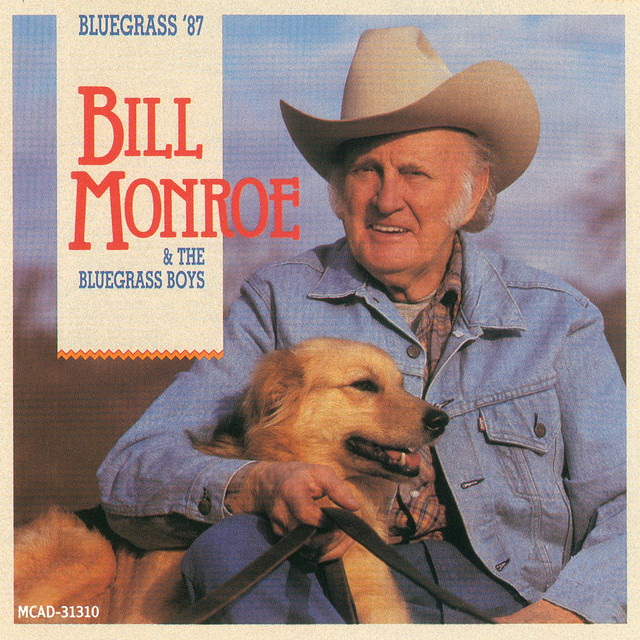
“Blue Night” is by Kirk McGee (1899–1983), the younger of the McGee Brothers of Franklin, Tennessee. Kirk and his brother Sam first appeared on the Grand Ole Opry in 1926, recorded in New York in 1927 as part of Uncle Dave Macon’s band, and in the 1940s worked with Roy Acuff, Ernest Tubb, and Bill Monroe and his Blue Grass Boys.
The song is sung to someone who has left. Each verse opens and closes on the words “blue night”: the other person has found someone new and quit one “that you knew was true,” the singer now walks alone where the two used to walk, and the phone calls that once made the listener glad now make them mad. The last verse ends on a warning, “You’re gonna reap just what you sow.”
The McGees recorded it themselves in the early 1960s for the Guest Star label, which put it on the LP Whoop ’Em Up Cindy around 1966, and a 1965 Gold Standard single (GS-105) paired “Blue Night” with “Darlin’ Rose Malone.” Kirk recorded it again for his 1980 album Mister Kirk – 54 Years of Country Pickin’.
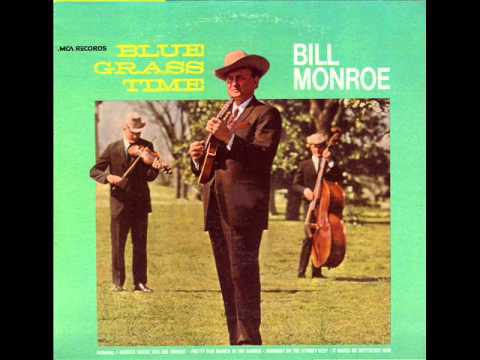
Bill Monroe recorded it on 23 January 1967 at Columbia Recording Studio in Nashville, singing it alone, with Peter Rowan on guitar, Lamar Grier on banjo, Richard Greene on fiddle and James Monroe on bass. Decca released it on 12 June 1967 on the album Blue Grass Time (DL 4896). Four years later the California band High Country recorded it at Raccoon Studio B in Point Reyes Station, with Rich Wilbur singing, for the album High Country.
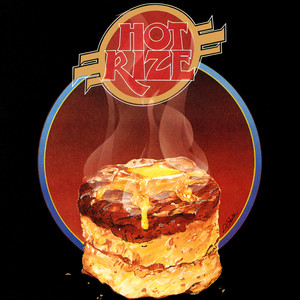
Hot Rize put it first on their debut album, Hot Rize (Flying Fish FF 206), recorded at Colorado Sound in Denver in January and February 1979 and produced by the band with Victor Garrett. Tim O’Brien sang lead and played mandolin, with Charles Sawtelle on guitar, Pete Wernick on banjo and Nick Forster on electric bass. The band opened later live albums with it too: So Long of a Journey, recorded at the Boulder Theater and issued in 2001, and the 2018 40th Anniversary Bash.
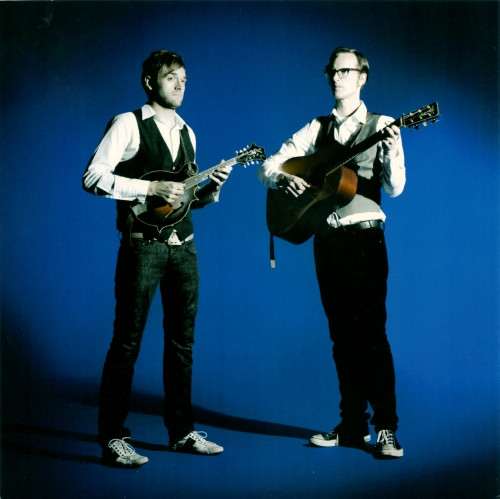
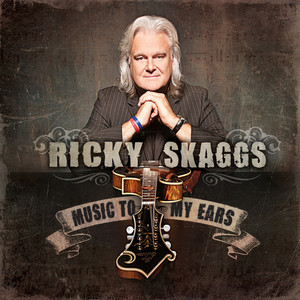
Mary Chapin Carpenter sang it on Ricky Skaggs’s Big Mon (2000), later reissued as Ricky Skaggs & Friends Sing the Songs of Bill Monroe. The same year Pat Enright sang it on guitarist Bryan Sutton’s Ready to Go, with Skaggs on mandolin. Chris Thile and Michael Daves recorded it at Third Man Studios in Nashville in January 2011, with Jack White on drums, for a Third Man single issued that May, and Skaggs sang it himself as the opening track of Music to My Ears (2012).