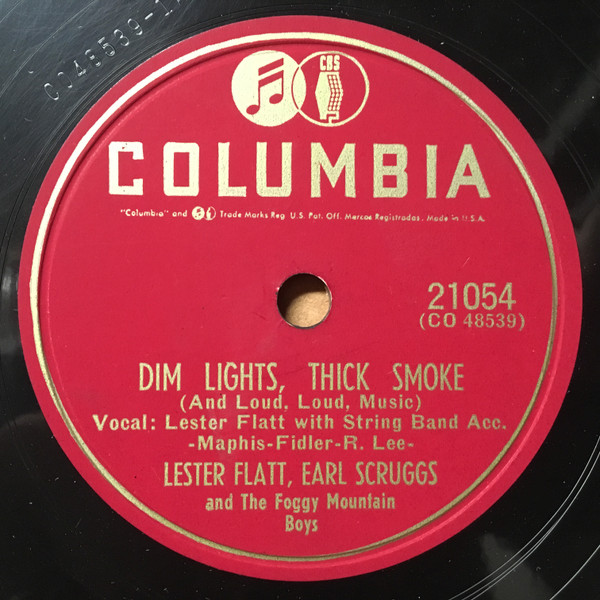
“Dim Lights, Thick Smoke (and Loud, Loud Music)” was written by Joe Maphis, his wife Rose Lee Maphis and Max Fidler. Lester Flatt, Earl Scruggs and the Foggy Mountain Boys made the first recording on 9 November 1952 at Castle Studio in Nashville. Flatt sang lead, Curly Seckler sang tenor and Scruggs baritone; Seckler played mandolin and Jody Rainwater bass. Columbia released it on 12 December 1952 as the B side of “Flint Hill Special” (Columbia 21054). The band played it again on WSM radio in June 1953.
Joe Maphis recorded it at Radio Recorders in Hollywood on 27 April 1953, and OKeh issued it that year on a single backed with “Black Mountain Rag” (OKeh 4-18013).
The song is a man’s rebuke to a woman who prefers the nightlife to a home. He tells her that she will never make a wife to a home-loving man: a home, little children and a faithful husband mean nothing to her, she would rather have a drink with the first man she meets, and the club down the street is the only home she knows. He closes by telling her to go out and have her fun, and says he is sorry for her and her honky-tonk heart.
Among country recordings, Porter Wagoner cut it on 15 January 1965 for The Thin Man from West Plains, Conway Twitty on 16 October 1967 for Here’s Conway Twitty and His Lonely Blue Boys, and Vern Gosdin put it on Time Stood Still (1985). Marty Stuart recorded it for Once Upon a Time (CMH, 1992), and Dwight Yoakam for 3 Pears (2012).
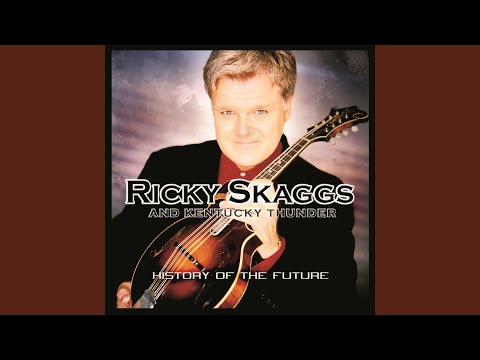
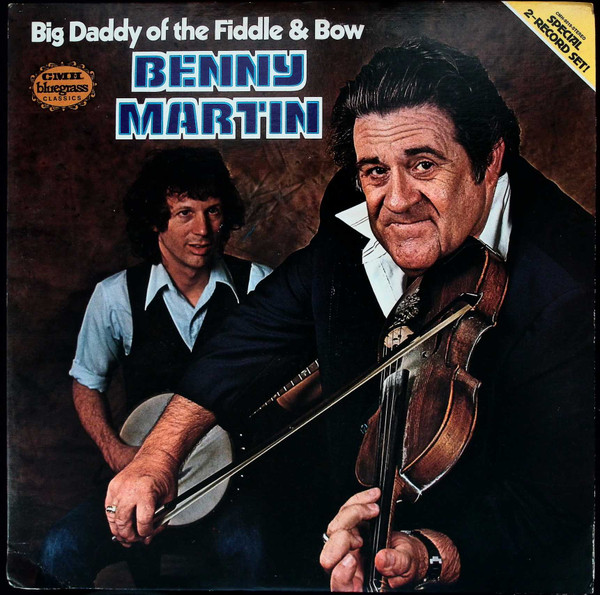
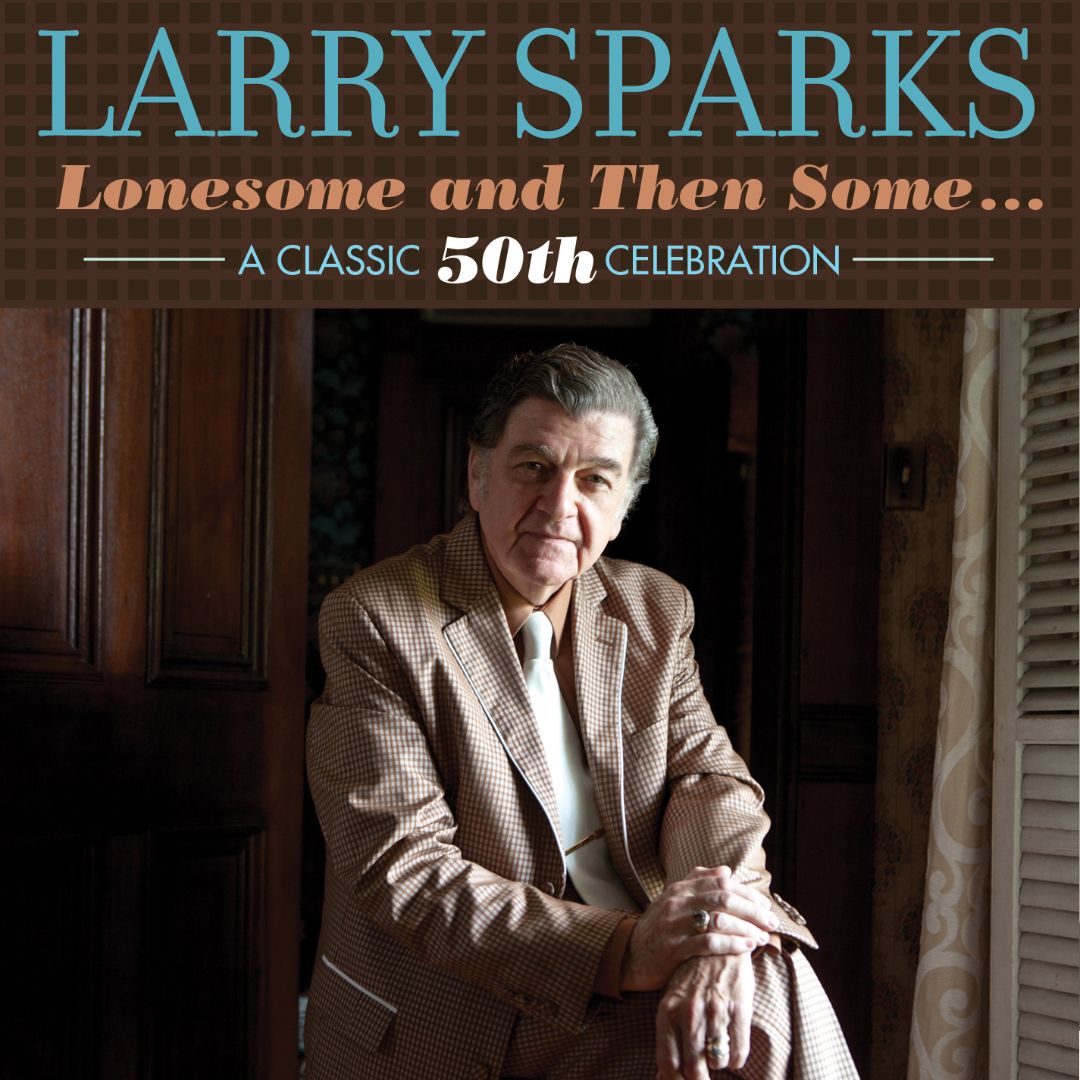
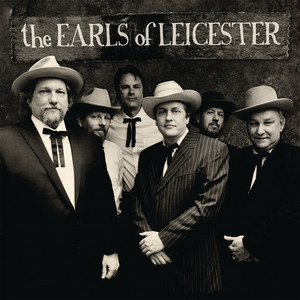
Bluegrass versions include Lester Flatt and the Nashville Grass at Flatt’s own bluegrass festival in Pinnacle, North Carolina, in June 1977, with Marty Stuart on mandolin and Kenny Ingram on banjo; Benny Martin’s Big Daddy of the Fiddle & Bow (CMH, 1979), with Bobby Osborne singing lead; Ricky Skaggs and Kentucky Thunder’s History of the Future (Skaggs Family, 2001), with Jim Mills on banjo, Bobby Hicks on fiddle and Mark Fain on bass; IIIrd Tyme Out’s Back to the MAC (Rounder, 2001), recorded at the Mountain Arts Center in Prestonsburg, Kentucky; Larry Sparks’s Lonesome and Then Some (Rebel, 2014); and the Earls of Leicester’s debut album (Rounder, 2014).