“Don’t Let Your Sweet Love Die” was written by Clarke Van Ness and Zeke Manners. Roy Hall and His Blue Ridge Entertainers made the first recording on 9 October 1940 at the Kimball House in Atlanta, in a session for Bluebird that also produced “Can You Forgive,” the other side of the single. Hall sang and played guitar, with Saford Hall on guitar, Clayton Hall on banjo, Bill Brown on steel guitar, Wayne Watson on bass and Tommy Magness on fiddle. Bluebird issued it in February 1941 as B-8656. Hall died on 16 May 1943.
The singer pleads with the woman he loves not to let their love die “like flowers in the fall.” He had been drifting alone, with no one to call his own, until she came “like an angel from the sky” and told him they would never part. Flowers that fade are said to bloom again, but he asks whether she will still love him when the rosebuds open, or whether her kiss is to be only a memory. Without her, he says, life would be like death.
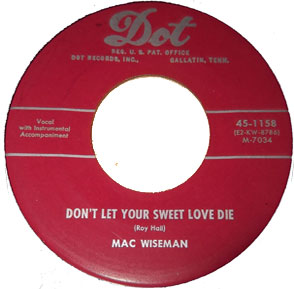
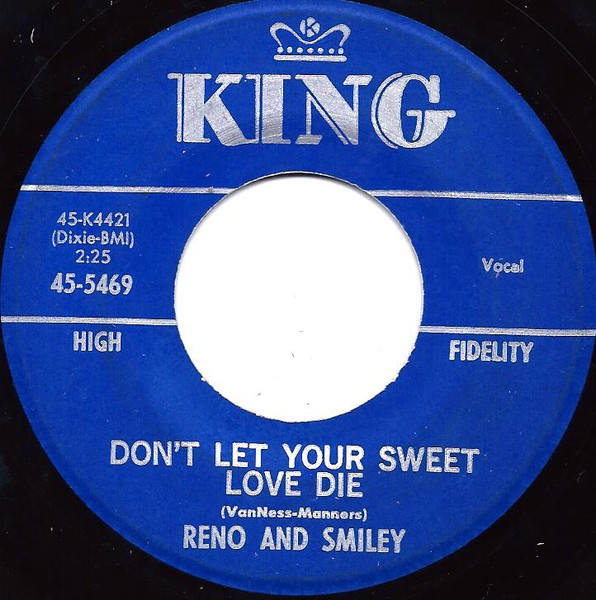
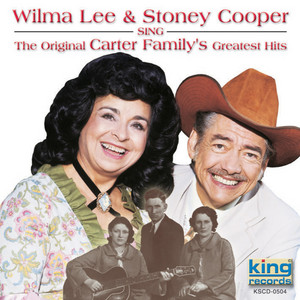
Mac Wiseman recorded it in November 1952 at Castle Studio in the Tulane Hotel in Nashville, with Oscar Sullivan on mandolin, Ed Amos on banjo, Ernie Newton on bass and Tommy Jackson on fiddle; Dot issued it in February 1953 as the B side of “You’re Sweeter Than the Honey” (Dot 1158). That record credits Roy Hall as a third writer. Don Reno, Red Smiley and the Tennessee Cutups recorded it on 26 October 1959 at King Studios in Cincinnati, with Smiley singing lead and Reno tenor. It appeared on their King LP Country Songs (1960), and King released it as a single in March 1961, with “Born to Lose.” Wilma Lee and Stoney Cooper recorded it on 13 July 1966, and it was released that November on Wilma Lee & Stoney Cooper Sing.
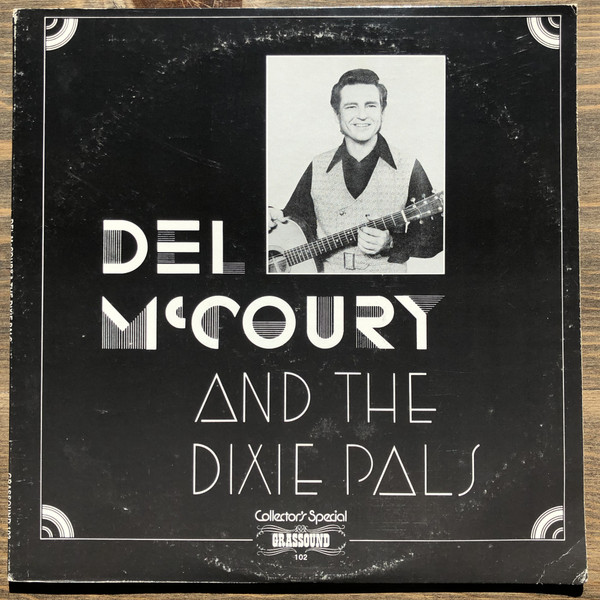
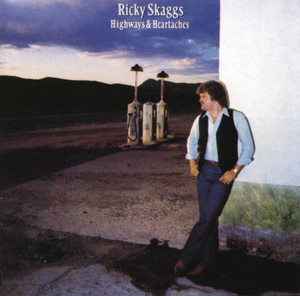
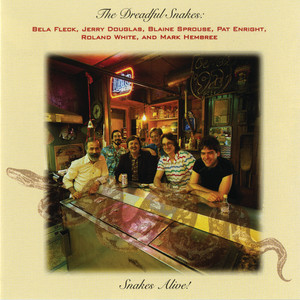
Del McCoury and the Dixie Pals recorded it in Nashville on 9 August 1971, a track issued in 1976 on Collector’s Special (Grassound). Jimmy Martin and Ralph Stanley recorded it on 3 March 1980 at Gusto Studios in Nashville for First Time Together (Gusto, 1980), with Martin singing lead and Stanley tenor; Martin played guitar, Ralph Stanley and Kenny Ingram banjos, Vernon Derrick mandolin, Curly Ray Cline fiddle, Earl Gray bass and Glenn Davis drums. Ricky Skaggs included it on Highways and Heartaches (1982), and the Dreadful Snakes on Snakes Alive! (1984).