“My Grandfather’s Clock” was written in 1876 by Henry Clay Work, the Connecticut-born songwriter best known for the Civil War-era “Marching Through Georgia.” The piece was issued by Cady in January 1876 and popularised by the African-American entertainer Sam Lucas in New Haven; the sheet music sold over 800,000 copies in its first decade, an extraordinary success in the parlour-song market of the period.
The song’s genesis story — Work hearing about a longcase clock at the George Hotel in Piercebridge, England, and writing the song around its quirks — is widely repeated though hard to verify in primary sources. What is firmer is the song’s downstream impact: the Oxford English Dictionary credits this song with the origin of the term “grandfather clock” for a longcase clock, replacing the older “tall-case” or “long-case” designation.
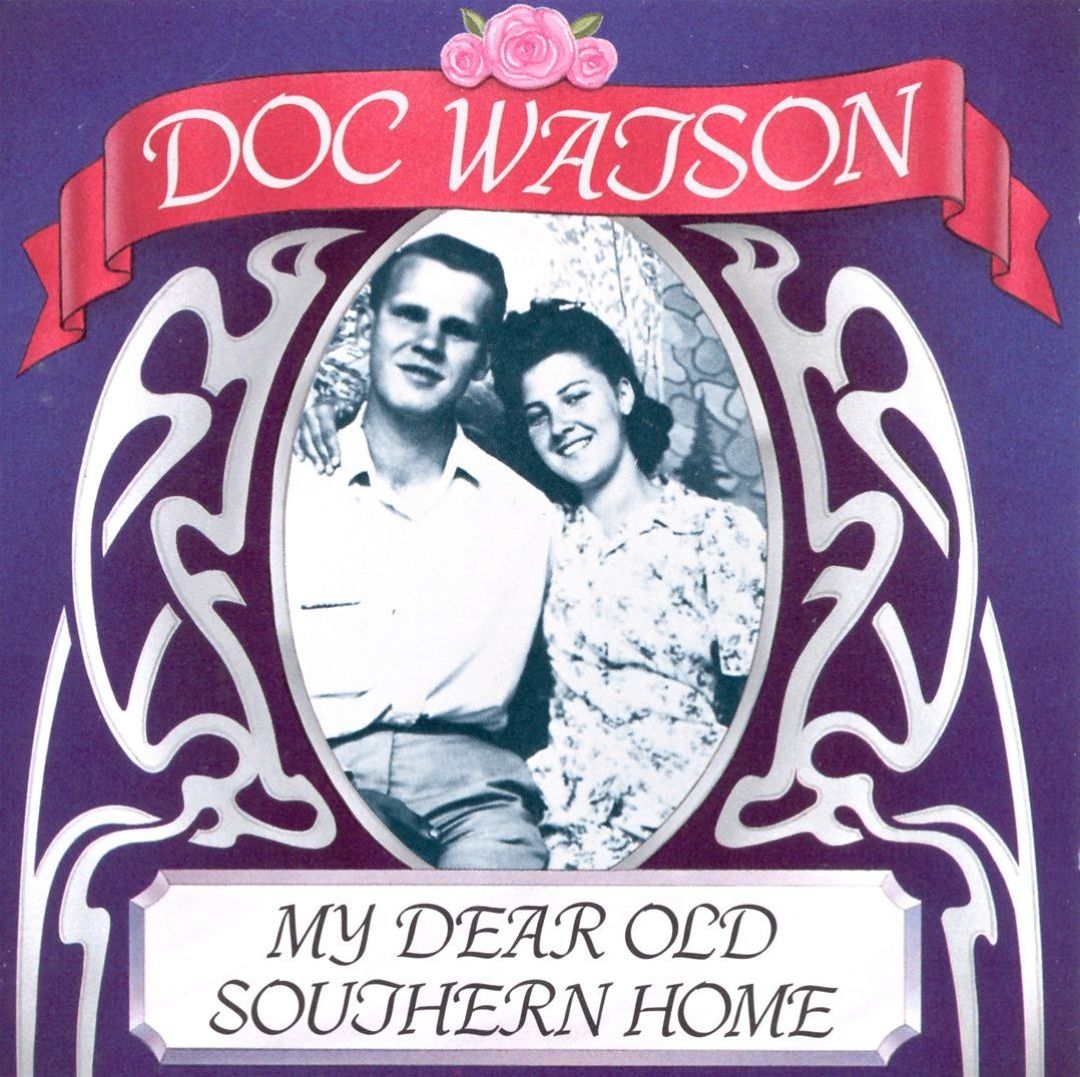
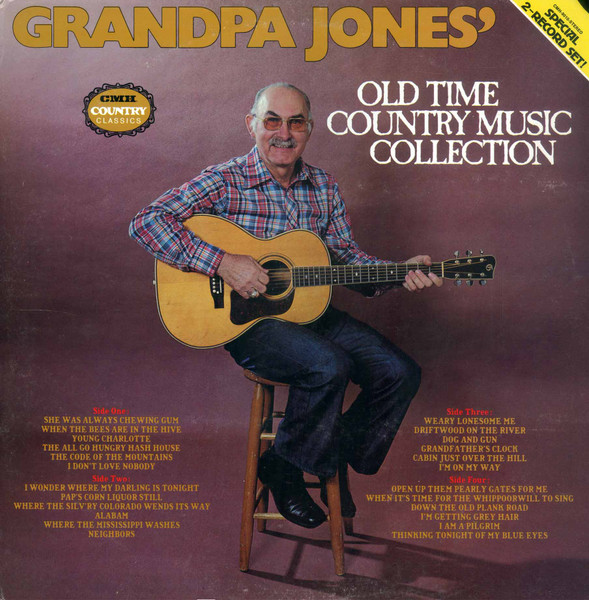
The lyric is a child’s-eye narrative of a clock bought the morning the grandfather was born, working perfectly for ninety years, and stopping the hour the old man died. It carried into folk, bluegrass, and brass-band repertoires through the 20th century and remains a frequent showpiece in fiddle and flatpicking sets. Doc Watson’s reading on My Dear Old Southern Home / Treasures Untold (1991) is one of the cleaner late-Watson vocals.