“Time Changes Everything” is a Western swing ballad written by Tommy Duncan, the longtime vocalist with Bob Wills and His Texas Playboys. Wills’s band recorded it on 15 April 1940 in Saginaw, Texas, with Duncan singing, and it came out that year on Okeh (5753).
The song is told by a man looking back on a love that ended. He remembers a time when he thought of no one else and the two sang their own love song together; after she left, his heart seemed broken for good, but the dark clouds have cleared and he has forgotten her. Every verse closes on the same idea, that time changes everything. He sends her off with good wishes, and says only that he cannot promise never to love again.
Other singers took it up quickly. Roy Rogers recorded it for Decca in 1940, and his version reached number four on Billboard’s hillbilly chart in October 1941. Woody Herman and his orchestra recorded it for Decca in April 1941. The song has since been recorded many times, including on tribute albums to Bob Wills by George Jones, Ray Price and Merle Haggard.
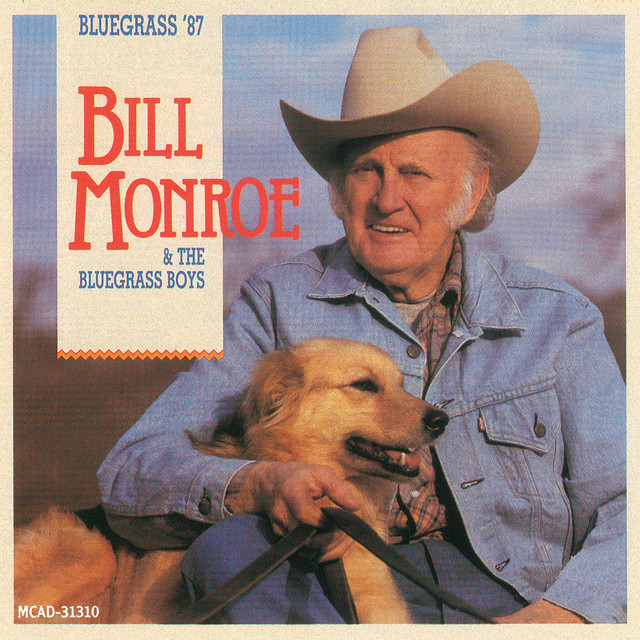
Bill Monroe recorded it on 1 December 1960 at the Bradley Film & Recording Studio in Nashville, singing lead and playing mandolin with Carl Butler on guitar, Curtis McPeake on banjo, Dale Potter on fiddle and Bessie Lee Mauldin on bass; Decca issued it in 1961 on the LP Mr. Blue Grass. Jim Eanes recorded it in 1968 in Canton, Ohio, with Red Smiley and the Blue Grass Cut-Ups.