
Album
Musicians
By:Traditional · Source Recording: Ralph Stanley and the Clinch Mountain Boys (1971)
Two coats were before me an old and a new
I could have either so what must I do
One coat was ugly and terribly torn
The other a new one had never been worn
The old coat was earthly and not fit to wear
I thought of it often and shed many a tear
Then there was a clean one presented to view
I laid off the old coat and put on the new
I'll tell you the best thing I ever did do
I laid off the old coat and put on the new
The first man was earthly and made from the ground
We bore all his image the whole world around
The next was my Savior from Heaven so fair
He gave me this new coat you now see me wear
Now this coat just fits me and keeps me so warm
It's good in the winter and it's good in the storm
My Savior has dressed me in garments so rare
He fills me with glory His image I'll bear
That’s your free listen. With an account the band keeps going — this song and every other one, as many times through as you like, in any key, at any tempo. Free for 14 days, no card.
Start my free 14 daysClicks before the band comes in, so you start together.
Raises the tempo as the band goes round, so you build up speed.
The band goes quiet for a bar or two and you keep the time going.
“Two Coats” is a traditional gospel song — carried in the oral and shape-note traditions and registered, like much of that material, as public domain rather than to any single writer. Its text comes almost word for word from scripture: in Luke 3:11, John the Baptist answers the crowds who ask what they should do with the plain instruction, “He that hath two coats, let him impart to him that hath none.” Songs built on that verse moved widely through Appalachian church singing and the gospel-quartet repertoire, where a single clear moral set to a simple tune was the whole point.
The lyric works that parable straight, with no ornament: a person who has two coats is called to give one to someone who has none, and from that small picture the song draws a larger teaching about charity, humility, and the open heart. It is the kind of gospel number that doubles as a sermon — the lesson is the melody’s reason for being, and the plainness is the point.
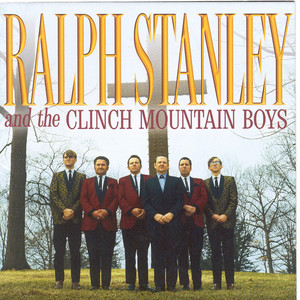
Its best-known bluegrass recording is Ralph Stanley and the Clinch Mountain Boys’ version on “Cry from the Cross,” the all-gospel album Stanley made for Rebel in 1971 (the track was cut that February). The record is also a snapshot of a remarkable band in transition: under Stanley’s lead vocal, with Roy Lee Centers on guitar, Curly Ray Cline on fiddle, and Jack Cooke on bass, it featured the teenage Keith Whitley on lead guitar and Ricky Skaggs singing tenor harmony — both barely out of childhood, at the very start of careers that would reshape bluegrass and country. Stanley’s hard mountain voice and the close gospel-quartet harmony give the plain song its weight, the unadorned, conviction-first delivery that defined his sacred material.
Reader notes on this song — corrections, sources, version lore, open questions. Contributions are public and signed.
No notes yet.
Sign in to add a note — free account.
Please choose a song.
Clicks before the band comes in, so you start together.
Raises the tempo as the band goes round, so you build up speed.
The band goes quiet for a bar or two and you keep the time going.
Loading chord chart…
Every song and every practice tool, free for 14 days. No card, nothing to cancel. Already have an account? Log in

Everything free for 14 days
Every song, every practice tool, the app. No card, nothing to cancel.
Create an account and the whole thing is yours free for 14 days — every song in the catalog, every practice tool. No card needed.
More than lyrics and chords — the most fun and powerful way to learn bluegrass.
The most fun way to learn bluegrass
Play along with the real record, your own backing band, or karaoke.