
Howdy Forrester
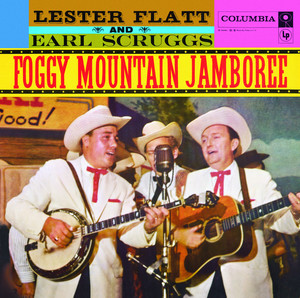
Howdy Forrester (1922–1987) was a fiddler from Hickman County, Tennessee, who spent more than thirty years in Roy Acuff’s Smoky Mountain Boys and played an important part in bringing Texas fiddle techniques to Nashville. Before Acuff he fiddled with Bill Monroe’s Blue Grass Boys and with Flatt & Scruggs, and in later years he also managed the Acuff-Rose Artists Corporation booking agency.
He was born Howard Wilson Forrester on 31 March 1922 near Vernon, in Hickman County, into a family of fiddlers: his father, grandfather and an uncle all played. After the family moved to Nashville in the mid-1930s he performed with his brothers, and in 1938 he joined Herald Goodman’s Vagabonds and with them landed a place on the Grand Ole Opry. He stayed with Goodman in his next band, the Tennessee Valley Boys, and in 1939 the two went to Tulsa, Oklahoma, for the Saddle Mountain Roundup radio show; Goodman gave him the nickname “Big Howdy.” Back in Nashville he played twin fiddles with Georgia Slim Rutland on WSM.
In 1942 he took Art Wooten’s place as the fiddler in Bill Monroe’s Blue Grass Boys, in a band that also included Clyde Moody, Cousin Wilbur and Dave “Stringbean” Akeman. Before the year was out he had joined the Navy, and Carl Story took over the fiddle. His wife, Wilene “Sally Ann” Forrester, stayed with Monroe as the band’s accordion player and was on Monroe’s first Columbia session in February 1945. When Howdy came home after the war he returned to the Blue Grass Boys for a short time, then moved to Dallas to work with Rutland on the Texas Roundup over KRLD, and in 1950 he played with Cowboy Copas.
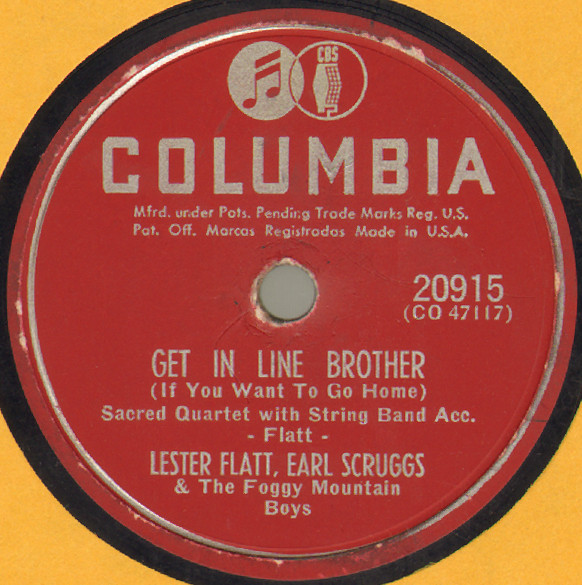
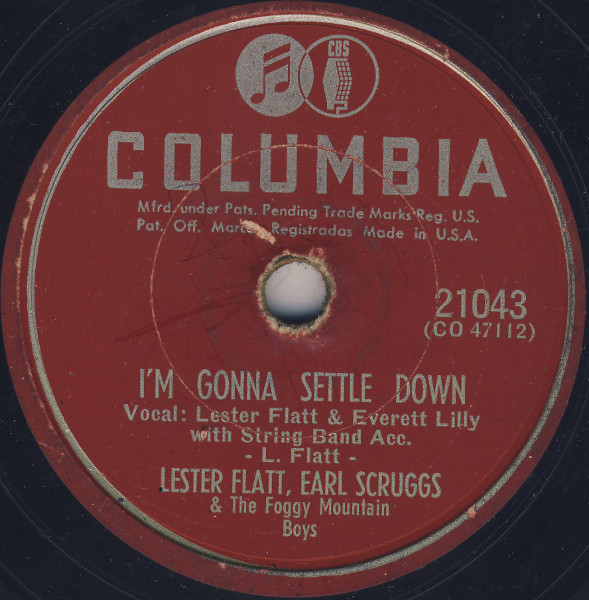
On 24 October 1951 he was the fiddler on a Flatt & Scruggs session for Columbia at Castle Studio in the Tulane Hotel, Nashville, with Everett Lilly on mandolin and Jody Rainwater on bass. It produced “Earl’s Breakdown,” “I’m Gonna Settle Down,” “Over the Hills to the Poorhouse,” “’Tis Sweet to Be Remembered” and “Get in Line Brother.”
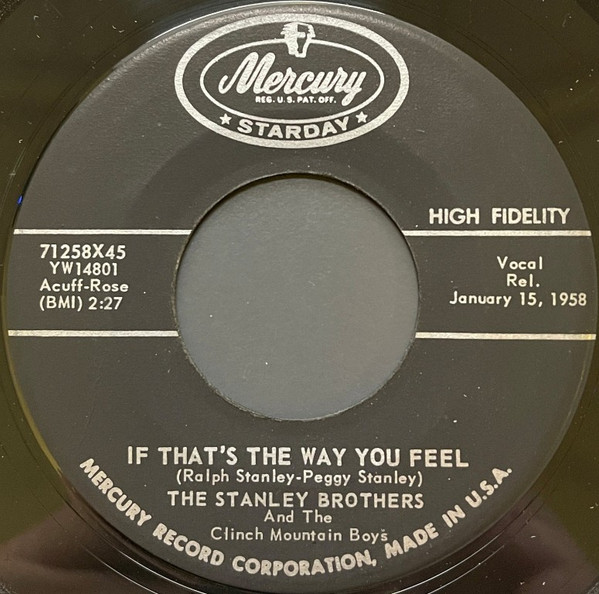
That year he became a full-time member of Roy Acuff and His Smoky Mountain Boys. He played on Acuff’s Capitol sessions at Castle Studio from February 1953 to June 1955, produced by Ken Nelson, alongside Lonnie Wilson and Jess Easterday on guitars, Brother Oswald on Dobro, Joe Zinkan on bass and Jimmy Riddle on harmonica, accordion or piano, and he was on Acuff’s Decca session of 19 October 1956 with the same band. On 15 November 1957 he and Benny Martin played twin fiddles for the Stanley Brothers on a Mercury session in Nashville that produced the instrumental “Daybreak in Dixie” and the single “If That’s the Way You Feel” backed with “I’d Rather Be Forgotten.”
His first album, Fancy Fiddlin’ Country Style, came out on Cub in 1960 and was reissued by MGM in 1962; its twelve pieces included “Rutland’s Reel,” “Leather Breeches,” “Brilliance” and his own “Strictly Forrester.” United Artists issued Big Howdy Fiddlin’ Country Style in 1963, and Kanawha issued Twin Fiddling Country Style with Rutland in 1969. In the 1970s he recorded for the Texas label Stoneway, among them Howdy’s Fiddle and Howdy, Too!!! (1973), Fiddle Tradition with Chubby Wise (1975) and Stylish Fiddling, recorded at Gilley’s studio in Pasadena, Texas, in September 1977. County released Red Apple Rag, an album with Kenny Baker, in 1983.
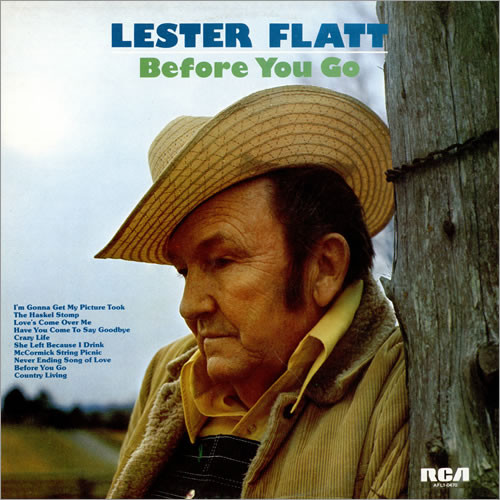
In the early 1970s he was often the second fiddler, alongside Paul Warren, on Lester Flatt’s RCA sessions in Nashville, produced by Bob Ferguson. He played on the 1971 sessions that Flatt cut with Mac Wiseman for Lester ’n’ Mac, among them “The Bluebirds Are Singing for Me” and “Will You Be Loving Another Man,” and on the two sessions of 5 July 1973 for their Over the Hills to the Poorhouse, which revisited “Over the Hills to the Poorhouse” and “’Tis Sweet to Be Remembered” from the Flatt & Scruggs date he had played twenty-two years earlier.
He remained with Acuff’s Smoky Mountain Boys until his death, and later in his career he managed the Acuff-Rose Artists Corporation, a Nashville booking agency. In September 1974 the Country Music Hall of Fame recorded an oral-history interview with him about his career and the development of his fiddle style. He died at his home in Nashville on 1 August 1987. In 2015 the National Fiddler Hall of Fame in Tulsa inducted him posthumously, remembering him as the “Fritz Kreisler of Country Fiddlers.”
These are the recordings in our catalog that credit Howdy Forrester. We add more all the time.



-
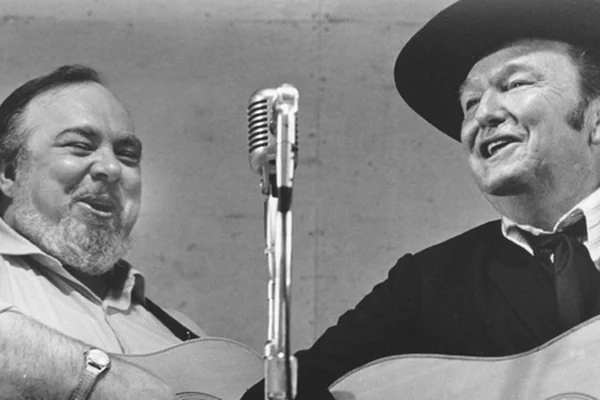 Lester Flatt and Mac WisemanPlayed on with Lester Flatt and Mac Wiseman
-
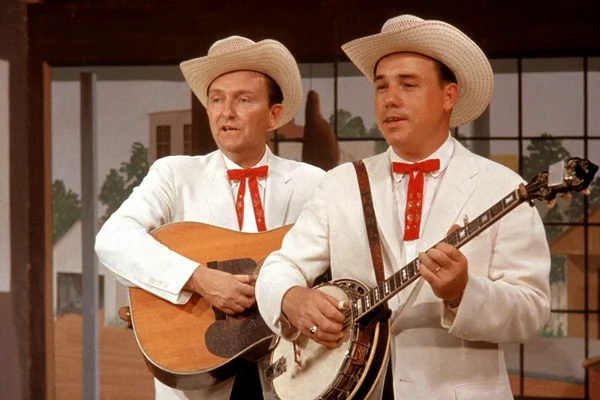 Flatt & ScruggsPlayed on with Flatt & Scruggs
-
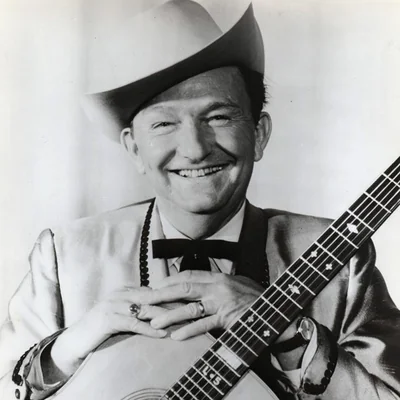 Lester FlattPlayed on with Lester Flatt
-
 The Stanley BrothersPlayed on with The Stanley Brothers



