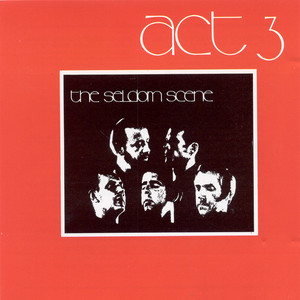
Album
“I Know You Rider” is a traditional African-American song whose earliest documented audio recording was made by John A. Lomax on August 9, 1933 at Mississippi State Penitentiary (Parchman Farm), sung a cappella by an 18-year-old Black woman imprisoned for murder, in the women’s sewing room. The song was published in 1934 in John and Alan Lomax’s American Ballads and Folk Songs as “Woman Blue,” with the Lomaxes adding verses gathered from other sources.
The first commercial release in the song’s modern form came in 1962 with folk singer Tossi Aaron’s reading on Tossi Sings Folk Songs and Ballads; the song’s revival in the early-1960s folk movement is generally credited to Bob Coltman, who came across the Lomax text in the late 1950s and began performing it in coffee houses in the period. The Grateful Dead’s 1972 Europe ’72 live recording is the version most contemporary listeners encounter first; the Dead’s medley pairing with “China Cat Sunflower” turned it into one of their longest-lived concert pieces.
The lyric is built around floating verses about a departing lover — “I know you, rider, gonna miss me when I’m gone”; “gonna miss your baby from rollin’ in your arms” — with stanzas that drift between performers in the older Anglo-American and African-American oral traditions. It has been recorded by Joan Baez, Eric Andersen, the Seldom Scene, and dozens of bluegrass and acoustic-rock acts.
Assisted by AI.
Spot something off? Help us fix it.