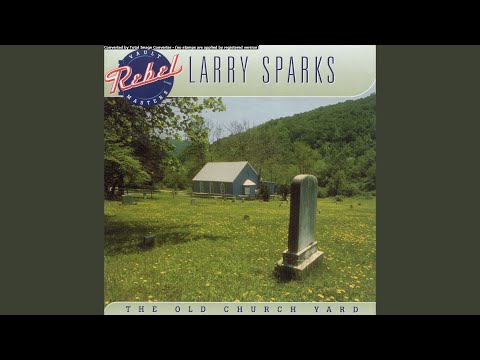
“I Shall Not Be Moved” is an African American spiritual reaching back to the early nineteenth-century South, where it most likely took shape in the revivalist camp meetings of the era. Its central image is drawn from scripture — the believer is “like a tree planted by the waters” that cannot be moved — a figure found in the Psalms and the Book of Jeremiah.
The song circulated for generations in oral tradition before it was set down; it appeared in print in the 1920s, and a jubilee quartet made the earliest known recording in 1926. As a sacred song it spread across gospel singing of every kind, and in its secular form, “We Shall Not Be Moved,” it became a labor anthem and, later, one of the defining protest songs of the civil rights movement.
In its sacred form the song moved naturally into bluegrass gospel, where its steady, repetitive structure suited stage and congregational singing alike.