“Peggy-O” is the best-known American form of “The Bonnie Lass o’ Fyvie” (Roud 545), a Scottish song set around Fyvie in Aberdeenshire. A troop of soldiers, in Scottish versions Irish dragoons, comes through, and their captain falls in love with a local girl named Peggy. She will not marry a soldier or a stranger, and in every version the captain dies for love. The earliest printings are broadsides, the two oldest with imprints probably from the 1820s, which call the song “Pretty Peggy of Derby” and put the scene in Derby; the Ballad Index dates its earliest example to before 1839. The song was also in oral circulation in Scotland in the first half of the nineteenth century. Robert Ford collected it from an old lady who had learned it as a girl, and William Christie published a tune he had from his grandmother; one of Christie’s informants thought the song had been composed after dragoons escorted the O’Connors, who had taken part in the 1798 Irish rebellion, to Fort George.
In Scotland it was collected often, and the Greig-Duncan collection alone holds 25 versions; John Strachan sang it to Alan Lomax and Hamish Henderson in Fyvie on 16 July 1951. In the United States it was collected by Cecil Sharp in the Southern Appalachians as “Pretty Peggy O,” and the place name wore down into sound-alikes such as “Fennario,” “Fernario” and “Fidio,” so that the song is often simply called “Fennario.” One Southern version puts the captain’s grave in Louisiana, and in some versions he threatens to burn the town if Peggy refuses, or offers to spare it if she accepts.
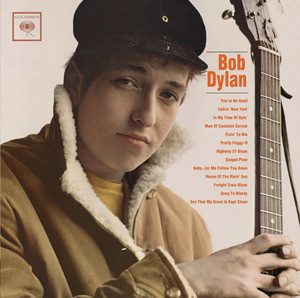
Bob Dylan recorded it as “Pretty Peggy-O” on his first album in 1962, having learned it from the singers George and Gerry Armstrong. The Grateful Dead performed it at 265 known concerts between 1973 and 1995, with Jerry Garcia singing, and Garcia’s “Fennario” appears on the reissue of his album Run for the Roses.