“Shady Grove” is a traditional Appalachian song with no plot to speak of: a singer talks about courting, in verses that float from one version to another. It probably began in eastern Kentucky around the start of the twentieth century, and the earliest collected set known was printed in the Journal of American Folklore in 1915. Cecil Sharp’s Appalachian collecting is the other early trace: the text he published in English Folk Songs from the Southern Appalachians, under the title “Betty Anne,” draws on “Shady Grove” verses alongside others from different songs. It is listed as Roud 4456.
Whether Shady Grove is a place or a woman is left open: some versions point to a place, others to a girl of that name. The verses most often sung describe a sweetheart with red cheeks and deep brown eyes, a man who wishes he had a banjo strung with golden twine, and his vow that if he cannot have the one he loves he will have no one. The Kentucky singer Jean Ritchie described it as one of the mountain play-party tunes of her childhood, the kind of music played for dancing at Saturday-night gatherings where the babies were put to sleep in the back room. She recorded it for Riverside in 1956 on Saturday Night and Sunday Too; Doc Watson sang it in 1963 on the Folkways album The Doc Watson Family.
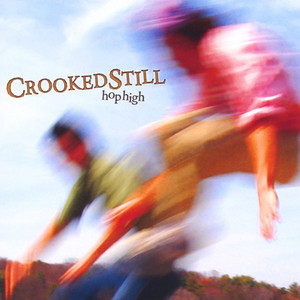
Crooked Still recorded it for their 2004 album Hop High (Footprint), the last track on the disc, with Aoife O’Donovan singing and Gregory Liszt on banjo, Rushad Eggleston on cello and guitar, and Corey DiMario on bass.