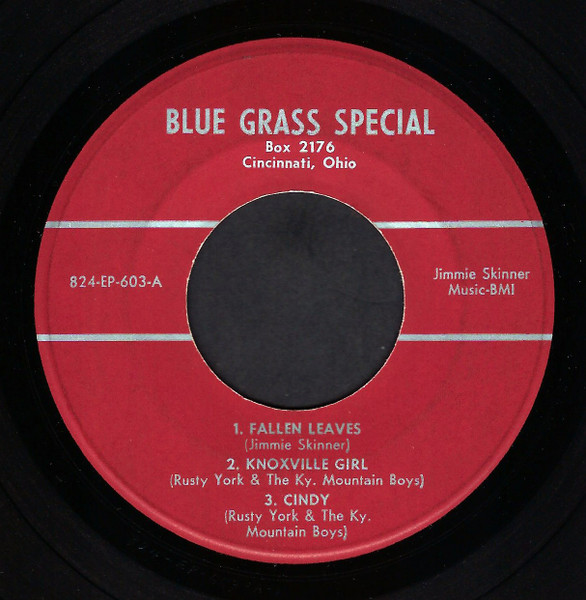
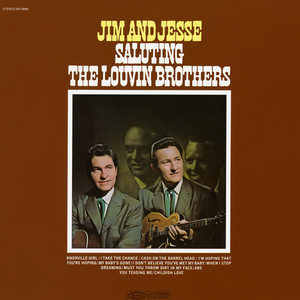
“Knoxville Girl” is a traditional murder ballad with a long and grim pedigree. It descends from a nineteenth-century Irish ballad, “The Wexford Girl,” which itself goes back to an English broadside — “The Bloody Miller,” tied to a real murder in Shropshire in 1683. As the song traveled, each new community swapped in its own place name.
Irish and English immigrants carried the ballad to America in the nineteenth century, where it took root in Appalachian and Southern singing and spawned a string of localized versions — “The Oxford Girl,” “The Waco Girl,” and the “Knoxville Girl” among them. The Knoxville title appears to be a later American invention, not connected to any documented crime in the city. The story stays brutally constant: a young man walks out with his sweetheart, beats her to death, and is haunted and finally jailed for it.
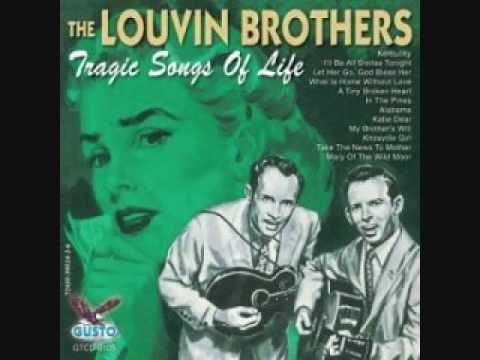
The ballad was first recorded in the mid-1920s and reached its best-known form in 1956, when the Louvin Brothers cut it for their album “Tragic Songs of Life.”