
Musicians
“Little Liza Jane” belongs to a family of “Liza Jane” songs that includes “Goodbye Liza Jane” and “Oh! Liza Poor Gal,” which scholar Dan Gutstein, in his book Poor Gal: The Cultural History of Little Liza Jane (2023), says likely began among enslaved people at celebratory dances on southern plantations. Lucy Thurston, interviewed for the Works Progress Administration’s slave narrative collection, remembered a refrain addressed to Liza Jane being sung by enslaved people near Covington, Louisiana, before the Civil War. In 1919 the musicologist Natalie Curtis Burlin documented a partner-stealing version that students at Hampton Institute had sung for decades, with couples dancing in a circle and an extra man in the middle stealing a partner.
Anne Virginia Culbertson printed lyrics of “Li’l Liza Jane” in her 1904 book At the Big House. Sherman, Clay & Co. of San Francisco published a version as sheet music in 1916 with compositional credit to Countess Ada de Lachau, and the tune was heard in the Broadway show Come Out of the Kitchen in 1916–17. Earl Fuller’s Famous Jazz Band recorded “Li’l Liza Jane—One Step” for Victor in 1917, and Harry C. Browne and the Peerless Quartet made a vocal recording for Columbia in 1918. The song also appeared in a songbook given to American servicemen in the First World War.
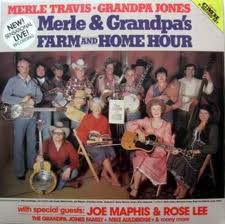
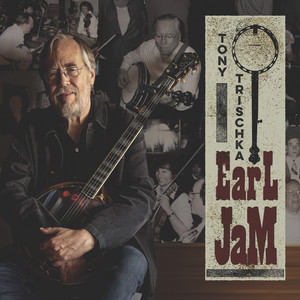
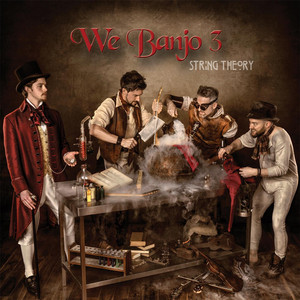
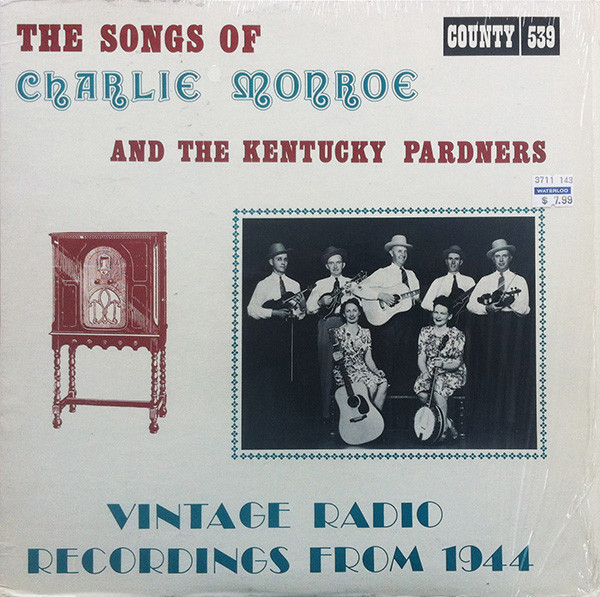
The words are a refrain addressed to Liza Jane, with verses that can be added or changed freely. In one form, each verse names a friend in another town, from Baltimore and Chicago to Kansas City, and the singer invites the listener to come and dance. Among later recordings, Lead Belly, Nina Simone and Doc Watson sang versions under the Liza Jane name, and bluegrass fiddlers and banjo players have recorded “Little Liza Jane” for decades — Mack Magaha and Raymond Fairchild among them. Alison Krauss and Union Station recorded it on So Long So Wrong (Rounder, 1997) and won the 1998 Grammy for Best Country Instrumental Performance for it.
Assisted by AI.
Spot something off? Help us fix it.